 listicle
Signs Your Roof Needs Replacement: A 2026 Guide
Table of Contents
- Signs Your Roof Needs Replacement
- Asphalt Shingle Roof Lifespan: What to Expect
- How to Tell If You Need a New Roof: A Closer Look
- Roof Replacement vs. Repair: Making the Right Decision
- Roof Inspection Checklist for Homeowners
- Why Honest Assessment Matters
- Frequently Asked Questions
Last Updated: October 12, 2026
Signs Your Roof Needs Replacement
Your roof protects everything beneath it. When it fails, water damage spreads fast, into walls, insulation, and structural framing. The cost of ignoring warning signs can exceed the cost of replacement itself.
The challenge is knowing what you're looking at. Not every roof problem demands full replacement. Some can be addressed through repair or restoration. Others signal that your roof has reached the end of its functional life.
We'll walk you through the most common warning signs, explain what they mean, and help you decide whether your roof can be salvaged or truly needs to be replaced.
Roof Age and Expected Lifespan
Most asphalt shingle roofs last between 15 and 25 years, depending on climate, ventilation, and maintenance (Resources). If your roof is approaching or has exceeded 20 years, replacement becomes increasingly likely, even if it appears intact from ground level.
Age alone doesn't always mean failure. A well-maintained roof in a mild climate might perform well into its mid-20s. But in areas with intense sun exposure, heavy rain, or temperature swings, deterioration accelerates. Austin's heat and occasional severe weather mean many roofs show significant wear by year 15 to 18.
Check your home's records or ask your realtor when the roof was installed. If you don't know the age, a professional inspection can estimate it by examining shingle condition and checking permit records. Once your roof hits 18 years, schedule an annual inspection.
Shingle Damage: Missing, Cracked, Curled, and Buckling
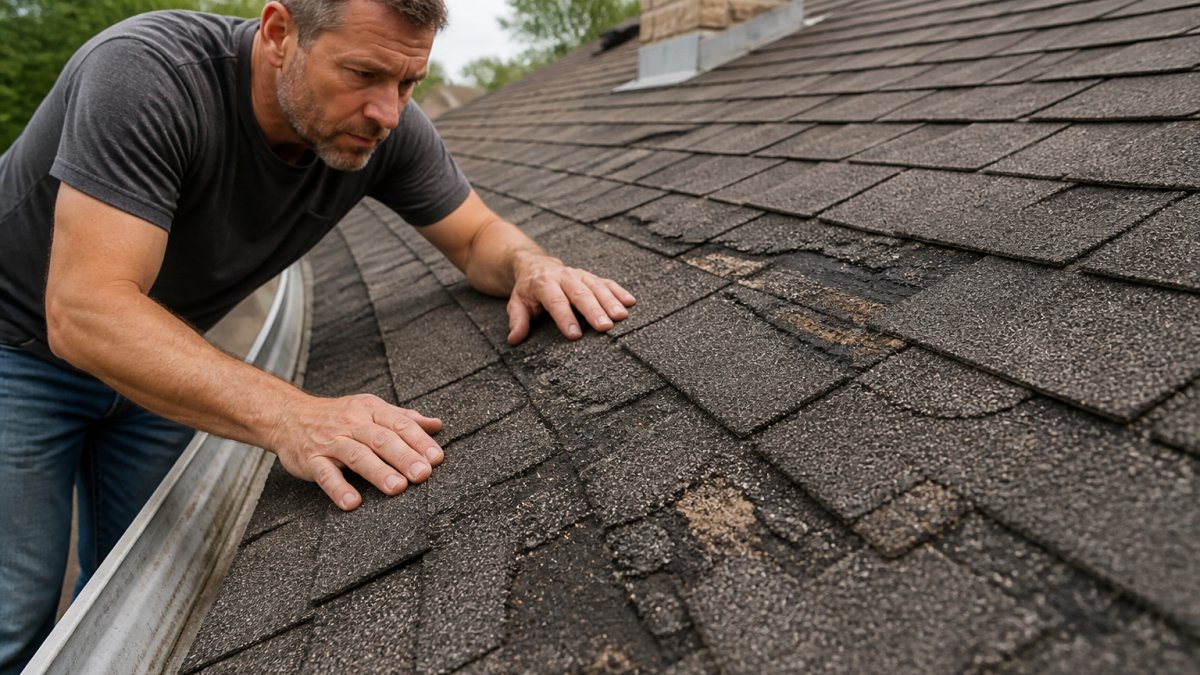
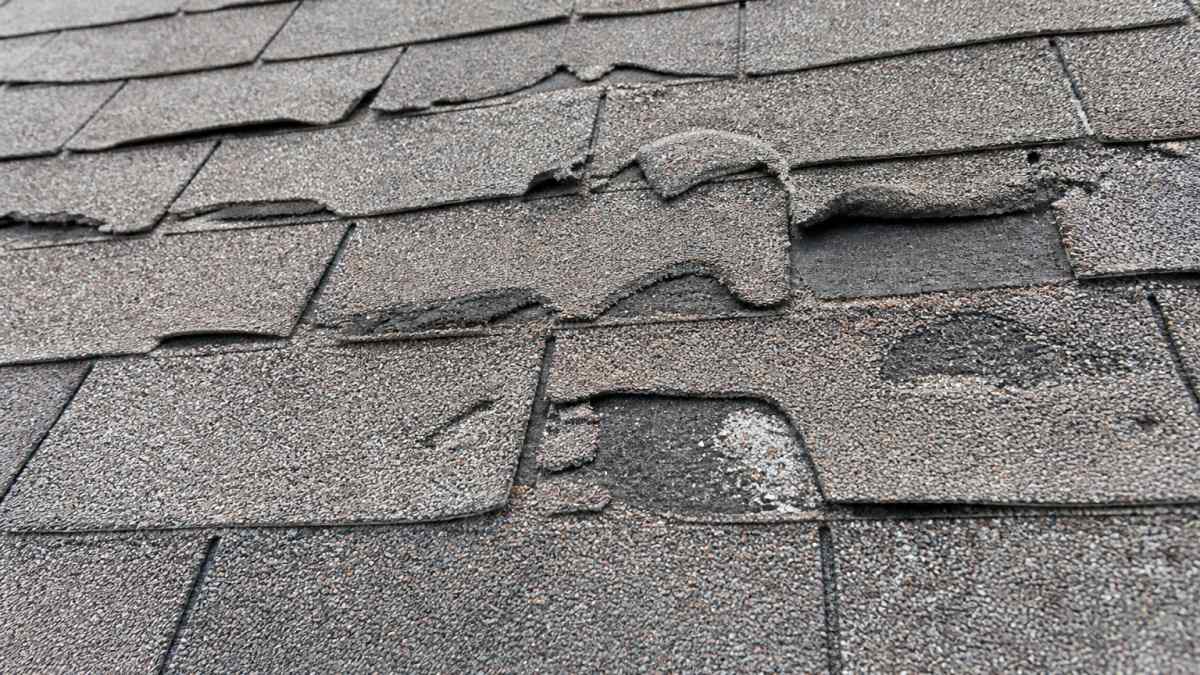
Visible shingle damage is one of the clearest indicators that signs your roof needs replacement are present. Missing shingles expose the roof deck underneath to moisture and UV damage. Cracked shingles lose their waterproofing ability. Curled or buckling shingles indicate that the shingle material is breaking down structurally.
Missing shingles often result from wind damage or age-related deterioration. A few missing shingles can sometimes be replaced individually, but widespread missing shingles across multiple areas suggest systemic failure.
Examine your roof from the ground with binoculars, or schedule a professional inspection. Pay attention to south-facing slopes, which receive the most UV exposure and deteriorate faster. If damage affects more than 20% of visible shingles, replacement is usually the right choice.
Roof Leaks and Water Intrusion
Active leaks are an emergency signal. Water stains on ceilings, wet insulation in the attic, or visible water running down interior walls mean your roof is failing. These aren't just cosmetic problems, they lead to mold, rot, and structural damage within weeks if left unaddressed.
Not all leaks mean full replacement is necessary. A single puncture or a localized leak around flashing can be patched. But if you're experiencing recurring leaks in the same location after repair, or if leaks appear in multiple areas, the underlying roof material is likely compromised.
Inspect your attic after heavy rain. Look for water stains, wet wood, or active dripping. Document the location and severity. This information helps a professional roofer determine whether repair or replacement makes sense.
Sagging Roof Sections and Uneven Rooflines
A sagging roof is a structural red flag. If sections of your roofline appear to dip or sag, the underlying roof deck or support structure may be compromised. This can result from water damage that has weakened the wood, inadequate ventilation causing rot, or simply the weight of accumulated debris or ice.
Sagging is not always visible from ground level. Walk through your attic and look for bowing or waviness in the roof deck. Check for soft spots or areas where the wood feels spongy, these indicate rot. Sagging is serious because it can eventually lead to structural failure and interior collapse.
If sagging is minor and localized, reinforcement might be possible. Widespread sagging almost always requires roof replacement and may indicate deeper structural problems that need a contractor's assessment.
Moss, Mold, and Visible Rot
Moss and algae growth on roofs is common in humid climates and shaded areas. While it looks unsightly, light moss doesn't always mean replacement is imminent. However, moss and mold can trap moisture against the shingles, accelerating deterioration.
Visible rot, soft, discolored wood visible on the roof deck or in the attic, is a replacement indicator. Rot weakens the structural integrity of the roof and allows water to penetrate deeper into the home. If you spot rotted wood during an attic inspection, professional evaluation is essential.
Fungal growth (green or black streaks on shingles) and visible mold in the attic also suggest moisture problems that may point to roof failure or ventilation issues. These conditions warrant a professional inspection to determine whether cleaning and repair suffice or replacement is necessary.
Shingle Granule Loss in Gutters
Asphalt shingles are covered with small colored granules that protect the asphalt underneath from UV damage. As shingles age, these granules loosen and wash into gutters. Finding granules in your gutters is normal for aging roofs, but excessive amounts signal accelerated deterioration.
Check your gutters after heavy rain. If you see large amounts of dark, sand-like material, your shingles are breaking down. This process typically accelerates in the final years of a roof's lifespan. Widespread granule loss means the shingles are losing their protective layer and won't perform well much longer.
Asphalt Shingle Roof Lifespan: What to Expect
Understanding how long asphalt shingles typically last helps you plan for replacement before failure occurs. Standard asphalt shingles are engineered to last 15 to 25 years under normal conditions. Premium architectural shingles may last 25 to 30 years.
In reality, many factors compress this timeline. Poor attic ventilation traps heat and moisture, cooking the shingles from underneath and cutting 5 to 10 years off their lifespan. Intense sun exposure (common in Austin) accelerates UV degradation.
Your roof's actual lifespan depends on these variables. A roof installed 18 years ago in a well-ventilated attic in a moderate climate might still have several good years left. The same roof in a poorly ventilated attic or in direct sun exposure might be failing.
How to Tell If You Need a New Roof: A Closer Look
Deciding between repair and replacement requires honest assessment. Here's how to evaluate your specific situation.
Start with the roof's age. If it's under 15 years old and showing only isolated damage, repair is usually the right choice.
Next, assess the extent of damage. Isolated problems affecting less than 10% of the roof can typically be repaired. Damage affecting 20% or more across multiple areas suggests systemic failure and points toward replacement.
Consider the cost equation. Repair costs typically range from a few hundred to a few thousand dollars.
At ATX RENEWED ROOFS, we help homeowners navigate this decision by providing honest assessments. We don't push replacement when repair makes sense, and we don't recommend patching a roof that's truly failed.
Roof Replacement vs. Repair: Making the Right Decision
The repair-versus-replacement decision hinges on three factors: age, extent of damage, and cost-benefit analysis.
Repair makes sense when:
- The roof is under 15 years old
- Damage is isolated to one or two areas
- Total repair cost is less than 25% of replacement cost
- The rest of the roof is in good condition
Replacement makes sense when:
- The roof is 18 years or older
- Damage affects multiple areas or covers more than 20% of the surface
- You've had the same problem repaired multiple times
- You're seeing signs of systemic failure (sagging, widespread leaks, extensive granule loss)
- The cost of repeated repairs approaches replacement cost
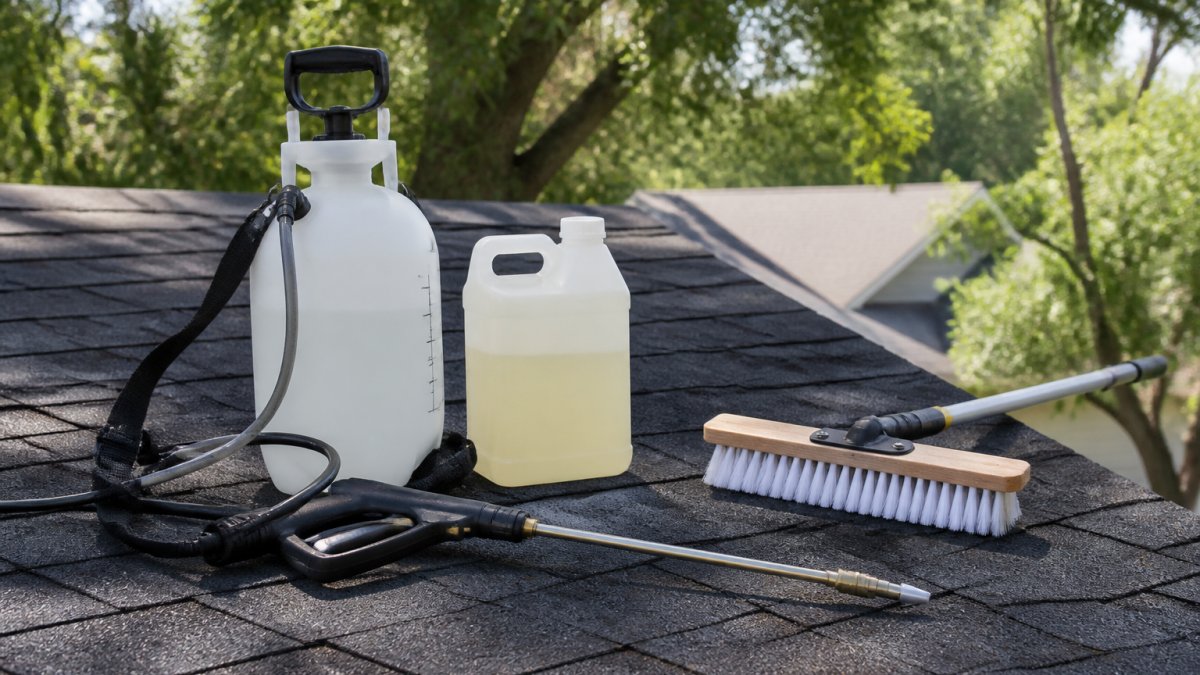
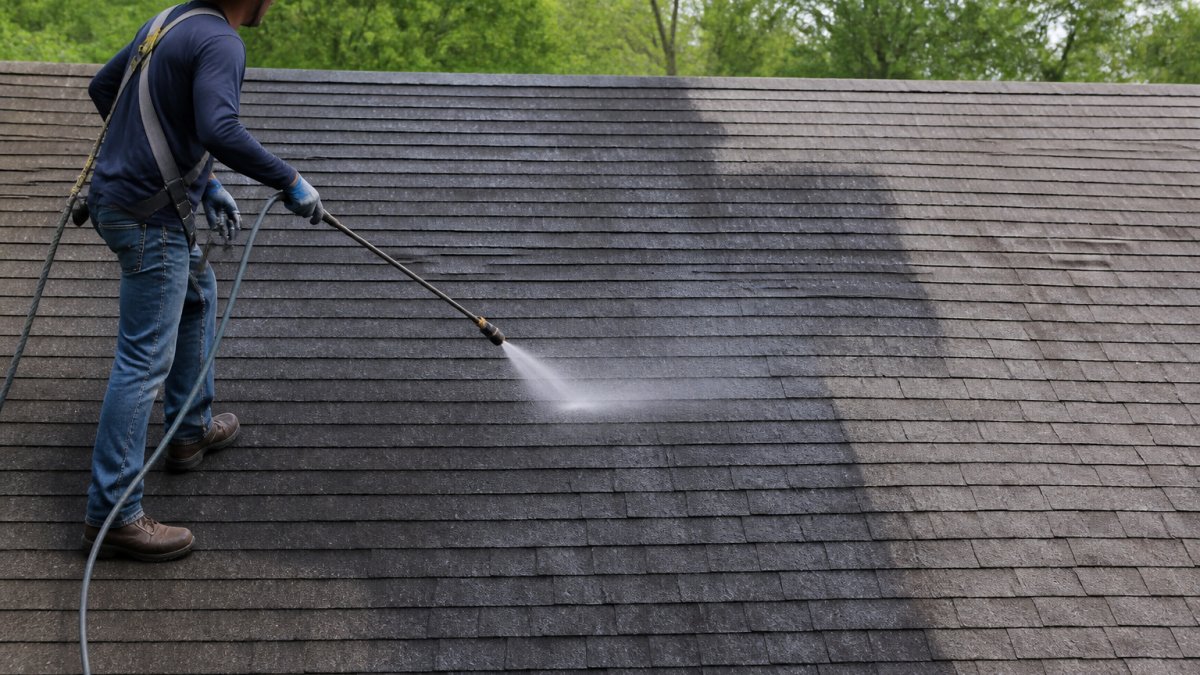
There's also a middle ground: roof restoration. For roofs showing age-related wear but lacking structural damage, a plant-based rejuvenation treatment can extend lifespan by 5 to 10 years at a fraction of replacement cost. This approach restores flexibility and waterproofing to aging shingles, delaying replacement and reducing environmental waste. It's particularly effective for roofs that are 15 to 20 years old and showing early signs of deterioration but no active leaks or major damage.
The key is honest evaluation. If your roof can be saved through repair or restoration, that's the most cost-effective path. But if it's truly failed, investing in a new roof prevents far costlier water damage down the line.
Roof Inspection Checklist for Homeowners
A structured inspection helps you document your roof's condition and communicate clearly with professionals.
Safe Inspection Practices
Never climb onto your roof unless you're trained and equipped with proper safety gear. Roofs are slippery, and falls cause serious injuries. Instead, inspect from the ground using binoculars, or hire a professional.
If you do access your attic (a safer alternative), bring a flashlight, wear a dust mask, and watch for electrical wiring. Never step on insulation, you could fall through the ceiling. Stick to roof framing or attic joists.
From the ground, use binoculars to examine south-facing slopes (where damage is most visible) and look for missing shingles, curling edges, and visible deterioration. After rain, check your attic for water stains or active leaking.
What to Document and When to Call a Professional
Document these observations:
- Roof age (from records or permit history)
- Visible missing or damaged shingles (note the location and how many)
- Curling, buckling, or lifting shingles
- Moss, mold, or algae growth
- Granule loss in gutters
- Water stains in the attic or on ceilings
- Sagging or uneven roofline
- Flashing damage around chimneys, vents, or skylights
If you observe any of the following, call a professional immediately:
- Active leaks or water stains
- Widespread missing shingles
- Visible rot or soft wood
- Sagging roof sections
- Damage affecting more than 10% of the roof
A professional roofer can provide a detailed assessment, estimate the roof's remaining lifespan, and recommend repair or replacement with confidence.
Why Honest Assessment Matters
The roofing industry has a reputation for aggressive upselling. Some contractors recommend replacement when repair would suffice, purely to increase their revenue. This erodes trust and leaves homeowners uncertain about whether they're getting honest advice.
Transparent assessment protects you. A roofer who clearly explains what they see, why it matters, and what options exist, without pressure, earns your confidence. You should feel comfortable asking questions and getting a second opinion if something doesn't feel right.
At ATX RENEWED ROOFS, we believe honest assessment is the foundation of good service. We evaluate your roof thoroughly, explain what we find, and recommend the solution that actually makes sense for your situation, whether that's repair, restoration, or replacement.
Frequently Asked Questions
What is the average age of a roof before replacement becomes necessary?
Most asphalt shingle roofs last 15 to 20 years with proper maintenance. In harsh climates or with poor ventilation, this lifespan can shorten to 10 to 15 years. If your roof is approaching or past 15 years old and showing signs of wear, it's time to assess whether repair or replacement makes sense. Age alone doesn't always mean replacement is required, condition matters equally.
How can I tell if my roof needs replacement or just repair?
The scope and location of damage determine this. Isolated damage affecting less than 30% of the roof, like a few missing shingles or a localized leak, often qualifies for repair. Widespread issues such as multiple leaks, extensive granule loss, curling across large areas, or structural sagging typically indicate replacement is more cost-effective long-term. A professional roof inspection provides the most accurate answer for your specific situation.
What does it mean if I see granules in my gutters?
Shingle granules protect asphalt from UV damage and weather. Finding granules in gutters signals that shingles are deteriorating and losing their protective layer. Some granule loss is normal as roofs age, but excessive amounts, especially if you notice them frequently, suggest your roof is nearing the end of its lifespan and replacement may be approaching.
Can condensation in my attic be mistaken for a roof leak?
Yes. Condensation forms when warm, moist air rises into an uninsulated or poorly ventilated attic and cools, creating water droplets. A true roof leak produces water stains concentrated around penetrations like vents, chimneys, or valleys, and typically appears after rain. Condensation spreads more evenly across the attic. Improving attic ventilation and insulation often resolves condensation; roof leaks require repair or replacement to stop water intrusion.
Your roof is one of your home's most critical systems. Catching problems early and addressing them appropriately saves money and prevents catastrophic damage. If you're noticing signs your roof needs replacement or you're simply uncertain about your roof's condition, a professional inspection provides clarity. Get a free estimate from ATX RENEWED ROOFS today and learn exactly what your roof needs to keep protecting your home for years to come.