 comparison
Roof Rejuvenation vs Replacement: Cost & Lifespan
Table of Contents
- Roof Rejuvenation vs Replacement: The Core Difference
- Roof Rejuvenation Cost Per Square Foot and Budget Breakdown
- Roof Replacement Cost: What Full Replacement Actually Involves
- How Long Does Roof Rejuvenation Last and What to Expect
- When to Replace an Asphalt Shingle Roof Instead of Rejuvenating
- Lifecycle Cost Comparison: Which Option Saves More Over Time
- Conclusion: Making Your Decision
- Frequently Asked Questions
Last Updated: October 7, 2026
Roof Rejuvenation vs Replacement: The Core Difference
Roof rejuvenation vs replacement is a fundamental choice for homeowners with aging asphalt shingle roofs, affecting budget, timeline, and how many years your roof will last.
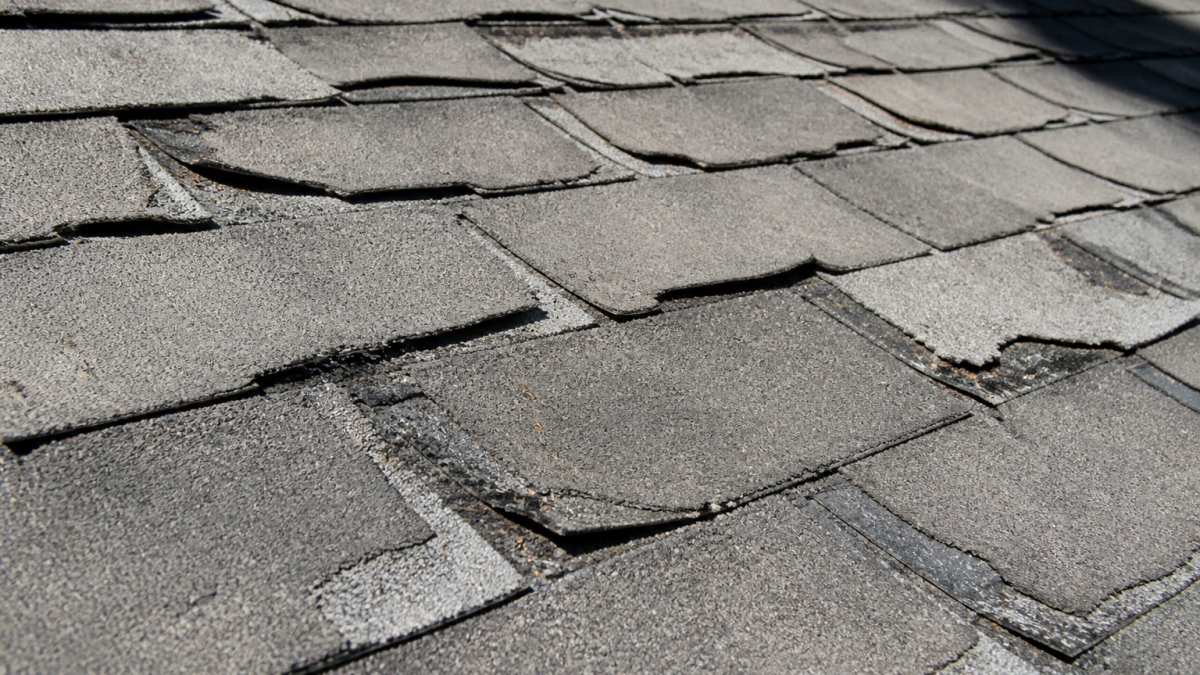
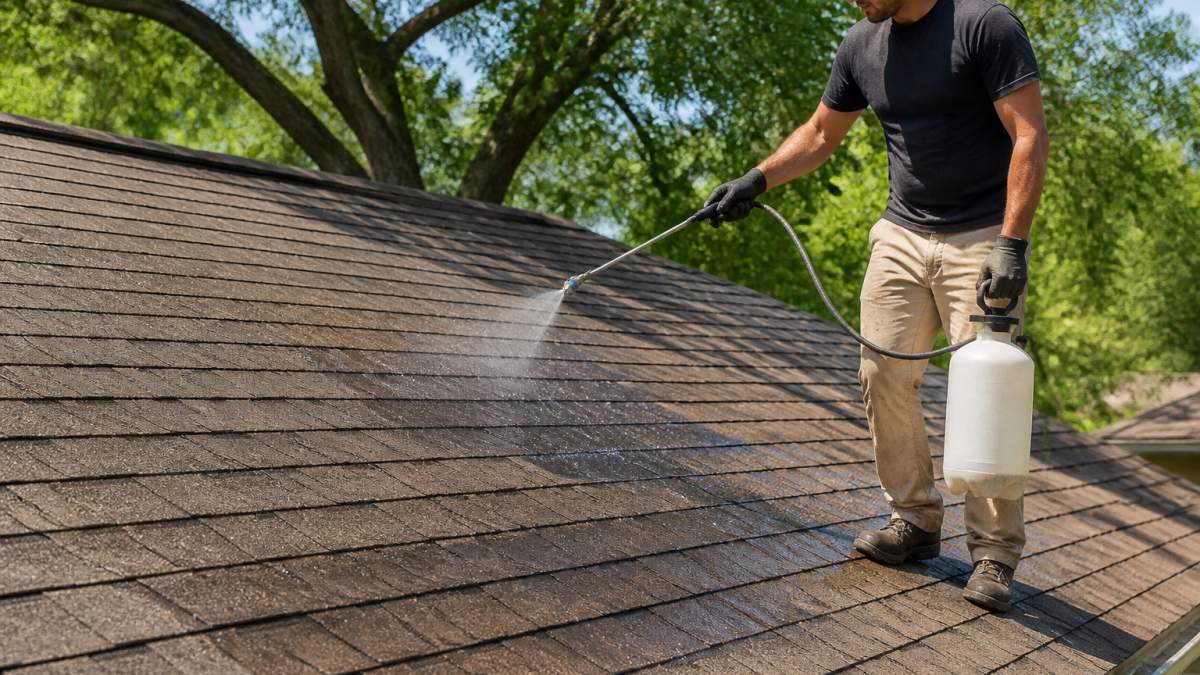
Roof rejuvenation is a targeted treatment that restores essential oils to existing asphalt shingles. A plant-based spray revives flexibility and water resistance without removing anything, typically in a few hours.
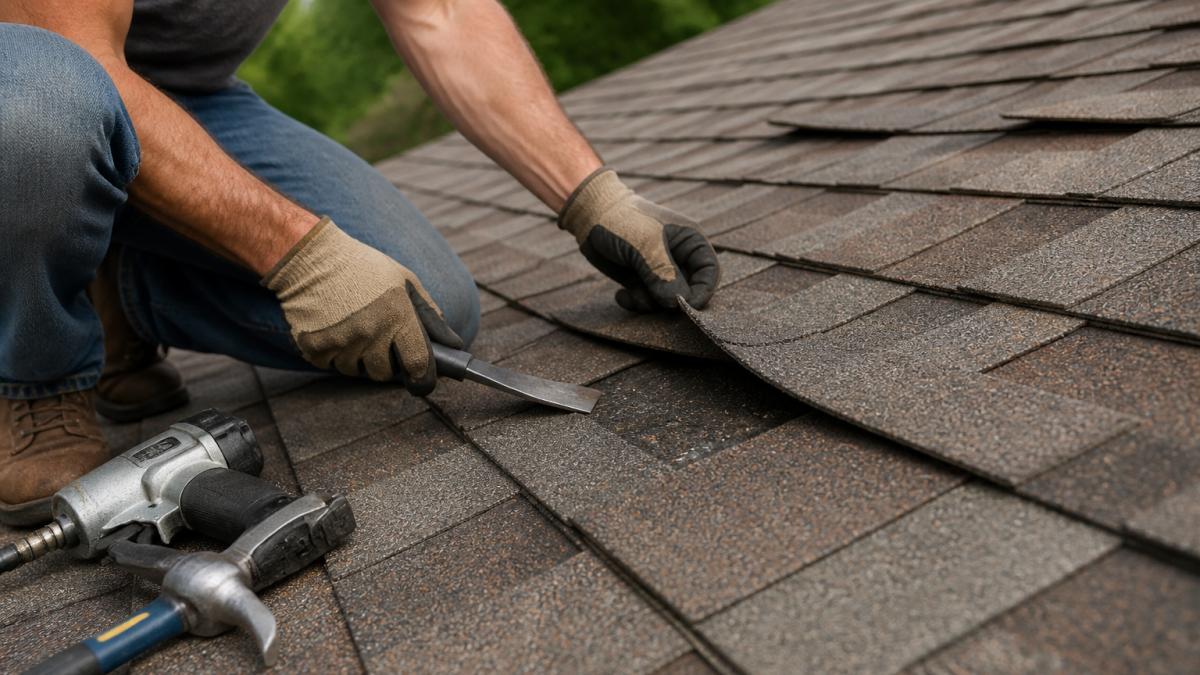
Roof replacement means removing your entire roof down to the decking and installing new shingles. This multi-day project involves tear-off, structural inspection, and new materials.
The core difference is scope: rejuvenation treats what's there, replacement starts over.
The choice depends on your roof's age, condition, budget, and timeline.
Roof Rejuvenation Cost Per Square Foot and Budget Breakdown
Roof rejuvenation costs significantly less than replacement upfront, but you must normalize quotes to compare them fairly.
According to Ugly Roof's cost comparison, typical rejuvenation costs fall in the $2,500 to $6,000 range for most residential roofs.
Here is how that math plays out across common roof sizes:
| Roof footprint | Approx. squares (moderate pitch) | Typical rejuvenation range |
|---|---|---|
| 1,200 sq ft | 14-16 squares | $2,100-$3,600 |
| 1,800 sq ft | 20-24 squares | $3,000-$5,200 |
| 2,400 sq ft | 27-32 squares | $4,000-$7,000 |
| 3,000 sq ft | 34-40 squares | $5,100-$9,000 |
These are planning ranges, not quotes. Actual pricing depends on the factors below, and any contractor who won't itemize them is asking you to compare apples to oranges.
- Material cost: A smaller portion of the total. Coverage depends on square footage, shingle porosity, and application thickness; two coats cost more than one.
- Labor cost: Professional application is essential; DIY results are inconsistent and void warranties. Labor is usually the largest line item.
- Roof size: Costs scale with size but not perfectly linearly. Small roofs carry a minimum-charge premium because mobilization and setup are fixed.
- Roof pitch and complexity: Steep roofs, multiple stories, and many valleys, dormers, or penetrations take longer and may require fall-protection setups. A simple gable roof is cheapest.
- Regional factors: Urban and high-labor-cost areas charge more than rural ones. Coastal and high-wind zones may require extra safety measures.
- Prep work: Cleaning, moss removal, or minor repairs are separate line items. Bundled quotes that don't list them are harder to compare.
When collecting quotes, ask each contractor for the same four numbers: total price, price per square, coats or gallons applied, and prep work included. That lets you convert every bid to a cost-per-square figure.
One more normalization: divide total cost by expected years of added life. A $4,000 treatment that buys four years costs about $1,000 per year of deferred replacement. Compare that to the annualized cost of replacement (see the lifecycle section below).
Roof Replacement Cost: What Full Replacement Actually Involves
Roof replacement is a major project with costs that reflect the scope of work involved. According to GoNano's roof cost analysis, replacement typically runs $8,000 to $25,000 or more, depending on roof size and materials.
Here's what replacement actually includes:
- Tear-off and disposal: The existing roof is removed down to the decking. This is labor-intensive and generates debris that must be hauled away, adding to the total.
- Decking inspection and repair: Once the old roof is off, contractors inspect the wood decking. Damaged or rotted sections must be replaced before new shingles go down, an unexpected cost many homeowners don't anticipate.
- Underlayment and flashing: New underlayment and flashing (metal pieces that direct water away from valleys and penetrations) are installed to code.
- New shingle installation: Premium architectural shingles cost more than basic three-tab. Material choice significantly impacts final cost.
- Labor: Replacement requires a larger crew over multiple days. Complexity, pitch, valleys, and penetrations affect labor time and cost.
Replacement costs more because you're replacing the entire system, not treating the surface. You get a new roof with a fresh 20-30 year warranty, but the upfront investment is substantial.
How Long Does Roof Rejuvenation Last and What to Expect
The lifespan of roof rejuvenation is a top homeowner question, and honest assessment matters.
Most homeowners can expect rejuvenation to extend roof life by 3-5 years, sometimes longer depending on climate and maintenance.
However, rejuvenation has limits. If shingles are severely curled, cracked, or missing large sections of granules, treatment can only do so much.
What to expect after treatment:
- Immediate results: Your roof looks better within days as color is restored. Faded gray shingles return to darker tones, improving curb appeal.
- Improved water shedding: Restored flexibility helps shingles lay flatter and shed water more effectively, reducing leak risk.
- Gradual degradation: Over 3-5 years, UV exposure and weather will again degrade treated shingles. You may need another treatment, or replacement may become necessary.
Timeline depends on climate: harsh sun and heat accelerate degradation, while milder climates last longer. ATX RENEWED ROOFS uses a plant-based formula designed to withstand weather exposure, but no treatment is permanent.
When to Replace an Asphalt Shingle Roof Instead of Rejuvenating
Not every roof qualifies for rejuvenation. Some have deteriorated beyond the point where treatment is effective. Knowing when replacement is right prevents wasted money on a treatment that won't solve your problem.
Replace instead of rejuvenate if:
- Roof age exceeds 25 years: Most asphalt shingles have a 20-25 year design life. A roof this old has lost structural integrity, and rejuvenation can't restore what's fundamentally worn out.
- Severe curling and cupping: Severely curled or cupped shingles won't lay flat even after treatment. Water can pool underneath, causing leaks regardless of rejuvenation.
- Large areas of missing granules: Granules protect shingles from UV damage. If large sections are bare, the underlying asphalt is exposed and deteriorating, and treatment won't reverse this damage.
- Visible leaks or water damage: If water is actively entering your attic, the problem isn't surface-level. You need structural assessment and likely decking replacement, rejuvenation won't fix this.
- Moss, mold, or algae growth: Extensive growth indicates moisture retention and poor drainage, requiring more than surface treatment.
- Multiple missing shingles: If you're replacing individual shingles frequently, the roof is failing. Rejuvenation won't stop the deterioration.
- Planning to stay 10+ years: If you plan to stay long-term and your roof is already declining, replacement gives peace of mind and a fresh warranty.
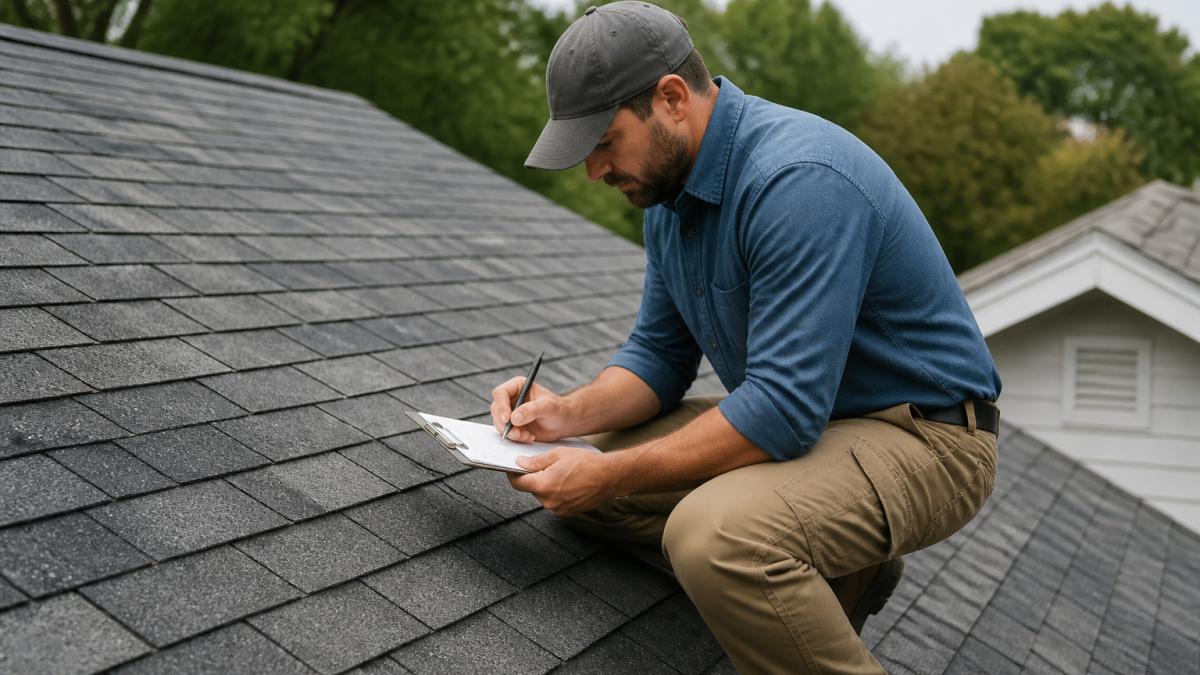
If you're unsure, get a professional inspection. A qualified roofer can tell you whether rejuvenation extends your roof's life meaningfully or whether replacement is the better investment.
Lifecycle Cost Comparison: Which Option Saves More Over Time
The real financial question isn't upfront cost but total cost over a defined period. A cheaper option today might cost more once you add maintenance, repeat treatments, repairs, and the eventual replacement.
To make the comparison honest, pick a time horizon. Ten years is a useful default, long enough to capture a second rejuvenation cycle, short enough to stay relevant.
Rejuvenation pathway (10-year model):
- Year 1: Rejuvenation treatment.
- Years 1-5: Routine maintenance only, budget $150-$400 per year for minor repairs, granule touch-ups, and gutter clearing.
- Year 4-6: The treatment fades. Rejuvenate again or replace. Rejuvenating resets the clock by roughly 3-5 more years.
- Year 8-10: Replacement becomes likely regardless. A roof that was 15 at the first treatment is 23-25 now, at or past the design life of most asphalt shingles.
- 10-year total before replacement: treatments plus maintenance. Then you still pay for replacement.
Replacement pathway (10-year model):
- Year 1: Full replacement.
- Years 1-10: Minimal maintenance. Budget $100-$250 per year for inspections and small repairs, since a new roof under warranty still needs occasional attention.
- Year 10: Roof is roughly 10 years into a 20-30 year warranty. No major work expected.
- 10-year total: no replacement looming in the near term.
The comparison only becomes meaningful when you annualize it. Divide each total by 10:
| Pathway | 10-year total | Annualized cost | Roof status at year 10 |
|---|---|---|---|
| Rejuvenate, then replace | $6,500-$16,000 + replacement | $650-$1,600 + replacement | Old roof, replacement due |
| Replace now | $9,000-$27,500 | $900-$2,750 | Mid-life roof, 10-20 years left |
The break-even point depends on your roof's condition and timeline. A 15-year-old roof with early wear?
Three costs most lifecycle comparisons leave out that can swing the math:
- Warranty transfer and coverage. A new roof typically carries a 20-30 year manufacturer warranty, often transferable once. Rejuvenation generally doesn't extend or replace an existing shingle warranty, and some manufacturers treat aftermarket treatments as outside coverage. Read the fine print before treating.
- Insurance and disclosure. Some insurers ask about roof age and condition at underwriting or renewal. A treated roof may still be rated as older, while a new roof resets that clock. Many states require disclosure of known roof defects when selling, and a treated roof with remaining issues can complicate a buyer's inspection.
- Repair frequency. Older roofs need more repairs. A treated 18-year-old roof may still need $300-$800 in repairs in a given year, while a new roof under warranty needs far less. Add those repairs to the rejuvenation column, not just the treatment price.
According to Roof Maxx's product guide, rejuvenation products are designed for roofs with remaining structural life.
Run the numbers with your own roof size, local labor rates, and actual timeline. The pathway with the lower annualized cost over your real holding period saves more, even if it isn't the lower sticker price.
Conclusion: Making Your Decision
The choice between roof rejuvenation and replacement comes down to your roof's condition, budget, and timeline. Both options are legitimate, the key is choosing the right one for your situation.
If your roof is 15-20 years old with early wear (fading, minor curling, granule loss), rejuvenation extends its life affordably.
At ATX RENEWED ROOFS, we specialize in honest roof assessments. Our transparent, no-pressure approach means a clear recommendation based on your roof's actual condition, not the biggest sale.
Get a free estimate today and find out whether your roof qualifies for rejuvenation or whether replacement is the better path forward.
Frequently Asked Questions
How much does roof rejuvenation cost compared with roof replacement?
Pricing for roof rejuvenation and full replacement varies depending on roof size, pitch, and materials. Rejuvenation addresses asphalt shingles that are aging but structurally sound, restoring flexibility and weather resistance. Replacement involves removing old shingles, inspecting and repairing the decking, installing underlayment, and laying new shingles. For pricing specific to your roof, contact ATX Renewed Roofs for a free estimate.
How many years does roof rejuvenation add to a roof, and how long does the treatment last?
Roof rejuvenation typically extends roof life by 3-5 years by restoring essential oils to asphalt shingles, improving their flexibility and water resistance. The treatment works best on roofs that are 10-20 years old and showing age-related wear like granule loss or slight curling. Results depend on climate, sun exposure, and maintenance. Roofs in harsh conditions may see shorter service-life extensions. A professional inspection determines whether your roof qualifies and what realistic lifespan extension you can expect.
When should you replace a roof instead of rejuvenating it?
Replace your roof if shingles are severely cracked, missing, or curled; if there is active leaking or water damage to the decking; if the roof is already 20+ years old; or if structural damage is present. Rejuvenation works only on asphalt shingles that are fundamentally sound but aging. A professional roof inspection identifies whether your roof can be saved with rejuvenation or needs full replacement. Choosing rejuvenation on a roof that truly needs replacement wastes money and delays necessary repairs.
Is roof rejuvenation worth the cost, and how do I know it actually works?
Roof rejuvenation is cost-effective if your roof is 15-20 years old, shows age-related wear, and is structurally sound. The treatment restores essential oils to asphalt shingles, improving flexibility, color, and weather resistance, results visible within weeks. It costs a fraction of replacement and extends roof life 3-5 years, giving you time to budget for future replacement. ATX Renewed Roofs uses plant-based, eco-friendly spray and provides transparent assessments so you know whether rejuvenation or replacement is right for your roof.