 Comparison
Roof Life vs Fresh Roof: Which Makes Sense for Austin Homes
Quick Summary
Roof life is worth preserving when your asphalt shingles are still flexible, have limited granule loss, sit on a sound deck and show no leaks, because rejuvenation can extend service life at lower upfront cost. Replacement makes more sense when shingles are brittle, damage is widespread, or the roof is already near the end of its expected lifespan.
- Asphalt shingles commonly last between 15 and 30 years, depending on type and care.
- Rejuvenation restores oils to aging shingles and does not repair missing shingles or soft decking.
- Compare total cost over a set horizon, such as 15 years, not just the first invoice.
- Request a written life expectation for your specific roof before paying for any treatment.
- Brittle shingles or any active leak point toward replacement rather than treatment.
Table of Contents
- How Long Does a Roof Last on Asphalt Shingles?
- Roof Rejuvenation vs Roof Replacement: What Each Actually Does
- Roof Life vs Fresh Roof Cost: Upfront Price and Total Cost of Ownership
- Roof Life vs Fresh Roof Pros and Cons
- Eligibility Checklist: Can Your Roof Be Rejuvenated?
- Insurance, Resale, and Code Considerations in Austin
- Booking a Free Estimate to Decide Between Renewal and Replacement
- Frequently Asked Questions
Last Updated: November 14, 2026
Austin's summers are hard on asphalt shingles, and many homeowners with 15 to 20-year-old roofs now face the same question: should they restore what they have or pay for a full replacement? For most local homes, the answer depends on the condition of the shingles, how much life remains, and what each path costs over the next decade. This guide compares roof rejuvenation and full replacement so you can judge which option fits your roof.
How Long Does a Roof Last on Asphalt Shingles?
Asphalt shingles commonly last somewhere between 15 and 30 years, depending on the shingle type, installation quality, and exposure to heat, wind, and hail. Most of the variation comes from how the roof is cared for over time. Shingles that lose their oils and granules early tend to crack and curl sooner, which shortens their useful life.
Three-Tab vs Architectural Shingle Lifespan
Three-tab shingles are the flatter, single-layer style. Architectural shingles are thicker, laminated products with a layered profile, and they generally carry longer expected service lives. A three-tab roof reaching the end of its life at 15 to 20 years is common, while architectural shingles often go longer before brittleness and granule loss set in. Knowing which type you have helps you judge whether your roof is still in its expected range.
Signs Your Roof Is Near the End of Its Life
Watch for curling or cupping edges, bare patches where granules have washed into gutters, cracked or brittle shingles, and daylight visible from the attic. You can learn the key signs your roof needs replacement in more detail, from missing shingles to leaks. Interior water stains and recurring leaks are a stronger warning. A roof showing several of these signs may still benefit from treatment, but a roof with widespread damage usually needs replacement regardless of cost.
Roof Rejuvenation vs Roof Replacement: What Each Actually Does
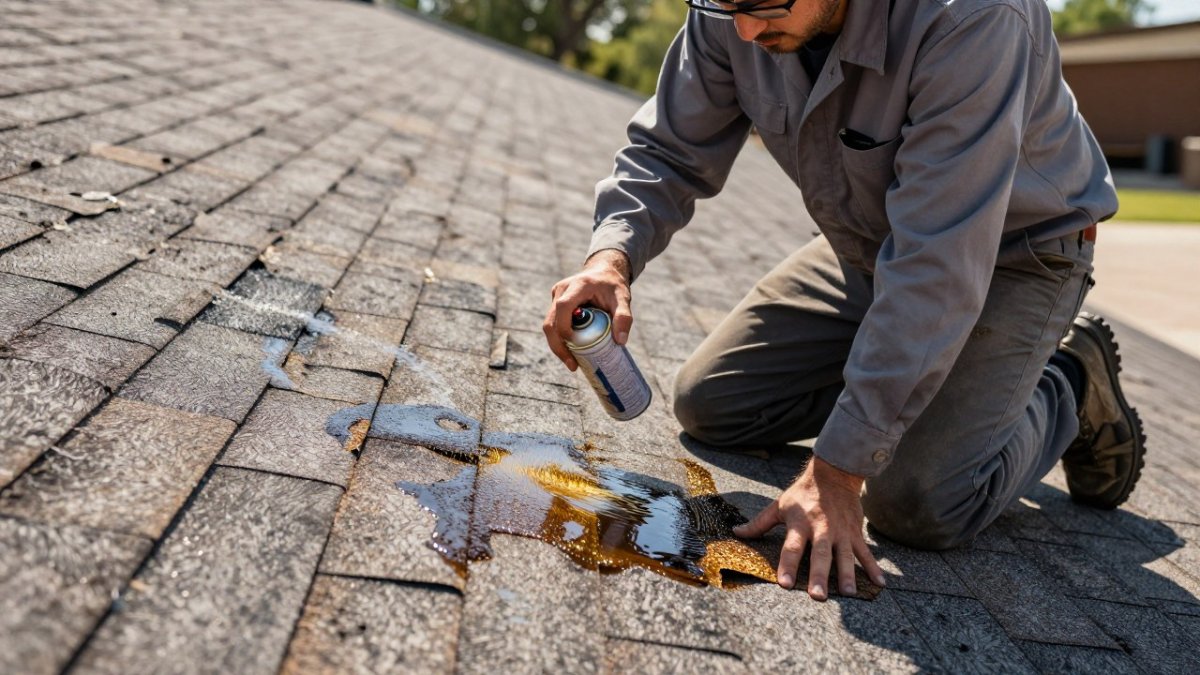
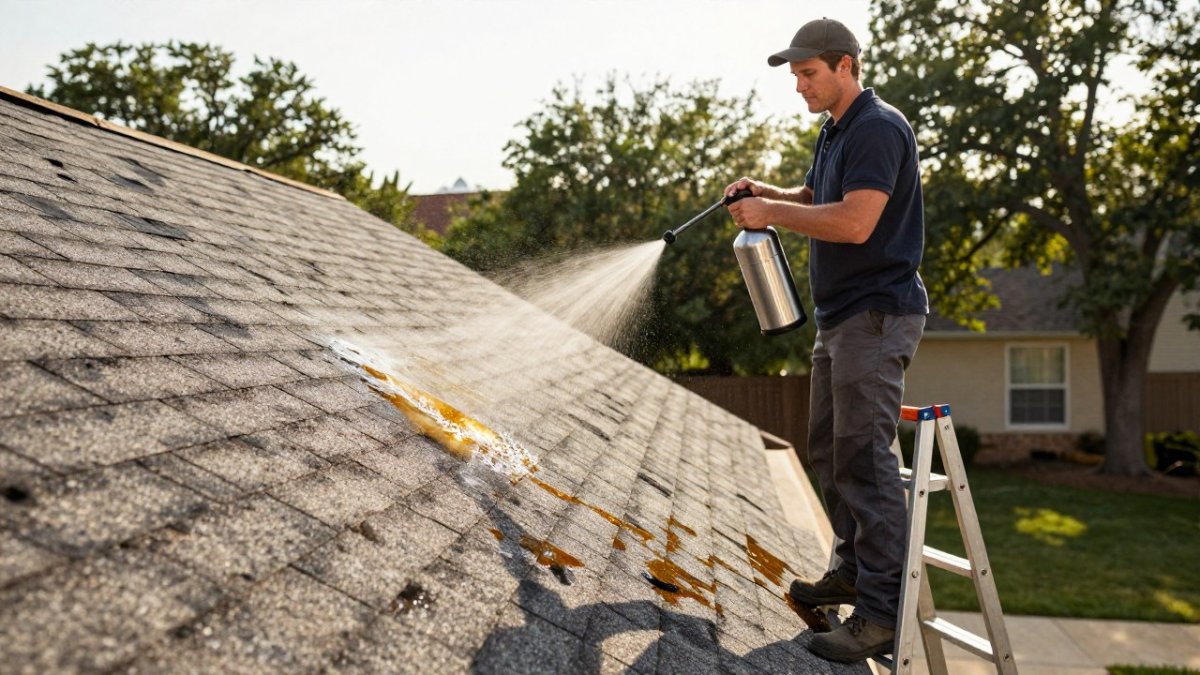
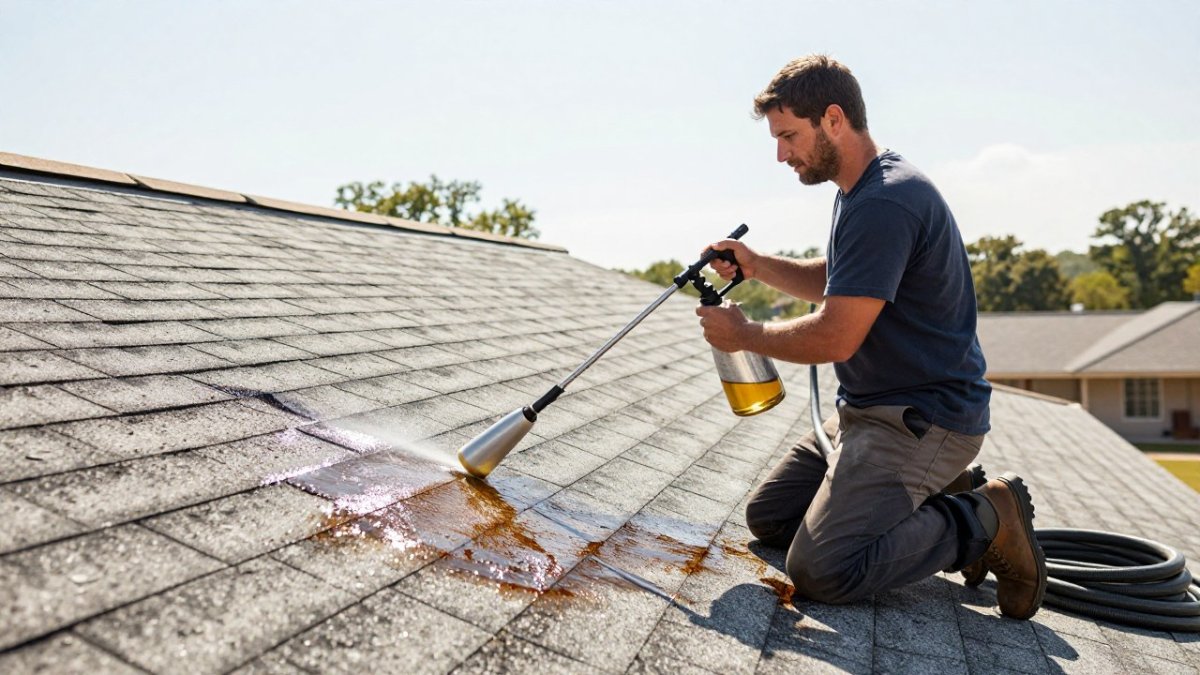
Roof rejuvenation applies a plant-based spray that restores oils to aging asphalt shingles. The goal is to improve flexibility, slow brittleness, and restore some of the original color.
Full replacement removes the existing shingles, inspects the decking, and installs a new roofing system. It resets the clock on the roof's lifespan but costs considerably more upfront.
Roof Life vs Fresh Roof Cost: Upfront Price and Total Cost of Ownership
Most comparisons of roof life versus a fresh roof stop at the first invoice. That is the wrong frame. What matters is what you spend across the years you actually keep the house, including repeat treatments, repairs, and the eventual replacement you cannot avoid forever.
Upfront Price: What Drives Each Number
A full asphalt shingle replacement is priced by the square (100 square feet of roof surface), plus tear-off, decking repair, underlayment, flashing, ridge venting, and disposal. Common drivers include:
- Roof size and pitch. Steeper roofs need more labor and fall protection, and complex rooflines with valleys and dormers add waste and time.
- Layers being removed. A second layer of old shingles means more tear-off and disposal cost.
- Deck condition. Soft spots, rot, or insufficient fastening add carpentry before any shingle goes down.
- Material tier. Three-tab is the least expensive option; architectural shingles cost more but typically carry longer manufacturer warranties.
- Permits and inspections. Replacement generally requires a permit, and the fee scales with project value.
Rejuvenation pricing depends on the specifics of your roof, so request a written quote from ATX Renewed Roofs for current pricing. Before paying, you can check what rejuvenation warranties cover and exclude.
When comparing quotes, ask what square footage and application rate each price assumes.
Total Cost of Ownership Over a Defined Horizon
The useful exercise is to pick a horizon, say 15 years, and add up every roof-related dollar under each path. A common pattern looks like this:
- Rejuvenation now, then a second application in roughly 5 to 7 years if the shingles still qualify, plus minor repairs (flashing, pipe boots, a few shingles) along the way, and replacement at the end of the horizon when the shingles finally fail.
- Replacement now, with little beyond minor repairs and possibly one warranty claim over the same 15 years, and no second replacement inside the horizon.
Run the arithmetic both ways with your own quotes. Rejuvenation wins on total cost only when it genuinely defers replacement past the point where you would have sold or re-roofed anyway. If you plan to stay 20 years, two treatments plus a replacement can approach or exceed the cost of replacing once, the deferral has to be real, not assumed.
Questions That Expose a Weak Quote
Ask every provider, treatment or replacement:
- How many years of additional service life do you expect, and what is that based on for my roof's specific condition?
- Is that estimate in writing, and is there any remedy if the roof fails sooner?
- What is excluded, decking repair, flashing, disposal, permit fees?
- If I sell before the expected life is used up, what transfers to the buyer?
A quote that answers these in writing is worth more than one that is simply lower. Compare line items, not totals.
The table below lists the main price drivers the article identifies for a full asphalt shingle replacement.
| Cost driver | What it affects | Note |
|---|---|---|
| Roof size and pitch | Labor and fall protection | Steeper roofs need more labor; complex rooflines add waste and time |
| Layers being removed | Tear-off and disposal | A second layer of old shingles adds cost |
| Deck condition | Carpentry before shingles | Soft spots, rot, or weak fastening add repair work |
| Material tier | Shingle price and warranty | Architectural shingles cost more but typically carry longer warranties |
| Permits and inspections | Fees | Fee scales with project value |
Roof Life vs Fresh Roof Pros and Cons
Most pros-and-cons lists for roof life versus a fresh roof are interchangeable. The more useful version separates what is independently known from what is claimed, and ties each advantage to a condition you can actually check on your own roof.
What Is Known Versus What Is Claimed About Rejuvenation
Rejuvenation products are marketed as restoring flexibility to aging asphalt shingles and slowing granule loss. What is harder to find is independent, peer-reviewed field data showing a specific number of added years across a range of roof conditions.
Most published performance figures come from manufacturers and applicators. That does not make them wrong, but it means you should treat them as claims until you see evidence. Before you buy, request:
- Field data, not lab data. Lab flexibility tests on new shingles do not tell you what happens on a 17-year-old roof in summer heat.
- The sample size and roof conditions behind any "adds X years" figure. A result on young, lightly weathered shingles does not transfer to brittle ones.
- A written expectation for your roof, based on its actual age, granule loss, and flexibility, not a generic range.
- The warranty terms in full, including what voids coverage and whether it is prorated.
A provider who cannot or will not put an expectation in writing is telling you something useful.
Pros and Cons Tied to Real Conditions
Rejuvenation pros:
- Lower upfront cost and no tear-off, so less material to landfill and less disruption.
- Can be a reasonable bridge for a roof that is aging but still flexible, still holding granules, and not leaking.
Rejuvenation cons:
- It does not repair damage, replace missing shingles, or fix a soft deck. Those problems remain.
- It does not reset the roof's age for insurance or resale purposes in most cases, see the section below.
- Added life depends heavily on starting condition, and a brittle roof may gain little.
- Repeat applications may be needed, which changes the long-term math.
Replacement pros:
- A new manufacturer warranty and a documented installation date.
- A roof that meets current code and can satisfy an insurer's or buyer's requirement for a new roof.
Replacement cons:
- The highest upfront cost of any option.
- Tear-off and disposal, plus the possibility of decking repair once the old shingles are off.
- More household disruption during installation.
The Decision Rule That Actually Matters
Match the option to the roof's condition rather than to the sales pitch:
- Flexible shingles, limited granule loss, sound deck, no leaks: rejuvenation is a legitimate option, and a written life expectation is the deciding factor.
- Brittle shingles, widespread granule loss, or any active leak: replacement is the realistic path; treatment will not fix what is failing.
- Isolated damage on an otherwise sound roof: repair first, then reassess whether treatment makes sense.
- Roof already at or past its expected lifespan: replacement, because there is little service life left to extend.
If you are weighing a treatment against a new roof, get the condition assessment and the written expectation before you compare prices. The cheaper option is only cheaper if the added life is real.
Eligibility Checklist: Can Your Roof Be Rejuvenated?
Work through these questions before deciding:
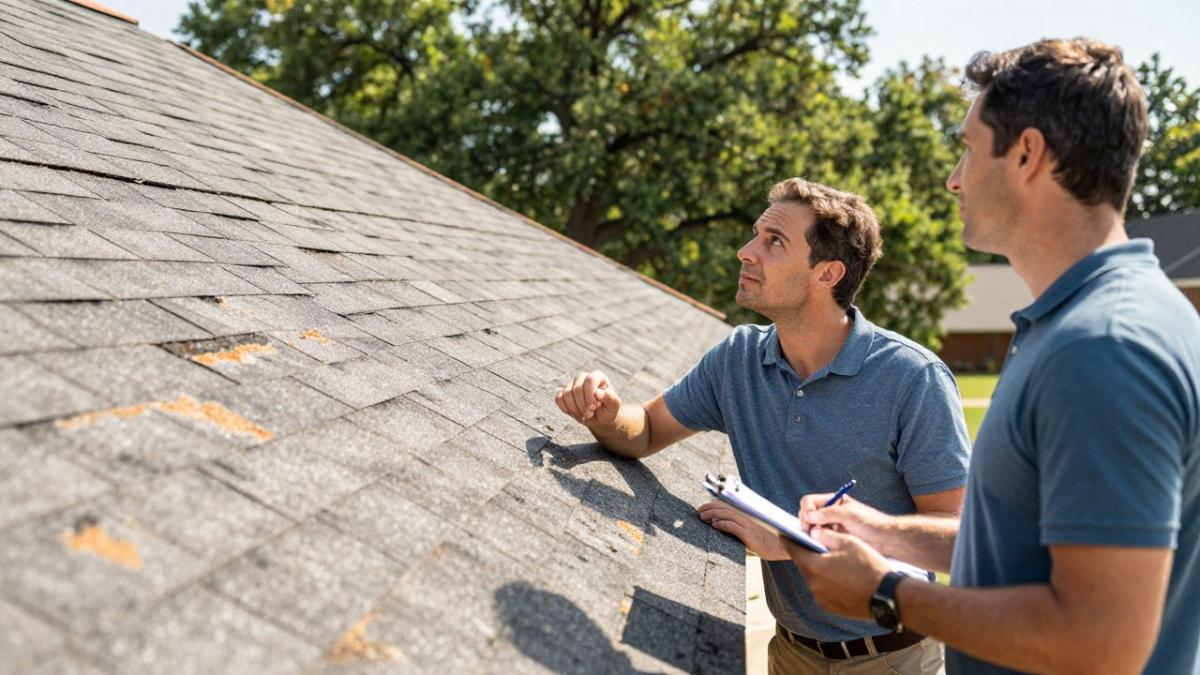
- Are the shingles still flexible enough to lie flat without cracking when gently lifted?
- Is granule loss limited, with the asphalt mat still mostly covered?
- Is the roof deck sound, with no soft spots or sagging?
- Are there no active leaks or major storm damage that need structural repair?
- Is the roof within the age range where treatment is still practical?
If you answered no to the first, second, or fourth questions, replacement may be the more realistic path. A professional inspection is the most reliable way to confirm eligibility.
Insurance, Resale, and Code Considerations in Austin
Insurance carriers evaluate roof age and condition when setting premiums and coverage, so ask your agent whether a treatment or replacement affects your policy. Buyers and appraisers also look at roof condition during a sale, and a documented, well-maintained roof can support your home's value. Local building codes and permit requirements may apply to roofing work, so confirm the requirements for your specific project with the appropriate local authority before you commit.
Booking a Free Estimate to Decide Between Renewal and Replacement
The most useful next step is an inspection of your actual roof. A professional can tell you how much life remains, whether rejuvenation is realistic, and when replacement becomes the better investment. ATX Renewed Roofs offers a free, no-pressure estimate. Book a free roof assessment in Austin to get a clear answer about your roof. If you want to compare the two options in more depth, our roof rejuvenation and replacement cost and lifespan comparison breaks down the numbers side by side.
Frequently Asked Questions
How long does an asphalt shingle roof last?
Three-tab asphalt shingles typically last around 15 to 20 years, while architectural shingles often last 25 to 30 years or more under good conditions. Lifespan depends heavily on attic ventilation, installation quality, and weather exposure. Hot Texas summers and hail can shorten service life, so an 18-year-old roof in Austin may already be near the end of its usable life. A professional inspection is the most reliable way to judge remaining life.
How long can roof rejuvenation extend a roof's life?
Rejuvenation is designed to restore flexibility and slow further aging in shingles that are still structurally sound, potentially adding several years of usable life. The exact extension varies with the roof's condition and local weather. Ask for the expected timeline in your estimate so you can plan your budget.
Is roof rejuvenation as effective as replacing a roof?
Compare the remaining structural condition, not just the appearance, before choosing.
When should you replace a roof instead of rejuvenating it?
Replace the roof if shingles crack or tear when lifted, if there are active leaks or water damage in the attic or ceilings, if the roof deck is soft or rotted, or if large areas of granules have washed away. Rejuvenation also cannot repair missing shingles or hail-punctured mats. Roofs with multiple layers of shingles may also need removal for code or structural reasons.