 Comparison
Roof Rejuvenation Warranty and Guarantee Coverage Explained
Quick Summary
A roof rejuvenation warranty is a written promise about what happens if a treatment fails, and its value depends on the exact wording. Before comparing providers, check four things: what it covers, how long it lasts, what it excludes, and what remedy you receive if something goes wrong.
- Compare warranties on duration, covered components, performance standard, exclusions, claim deadline, transferability, remedy, and maintenance obligations.
- A headline warranty length such as 'up to 20 years' often applies only to a top tier with specific conditions.
- Some guarantees cover leaks while others cover shingle performance, so confirm which problem is addressed.
- Pre-existing damage is a common exclusion, so document your roof with dated photos and an inspection report before treatment.
- Ask the provider for written confirmation that treatment will not affect your manufacturer warranty or homeowners insurance.
Table of Contents
- What a Roof Rejuvenation Warranty Actually Covers
- Roof Rejuvenation Warranty Length Compared Across Providers
- Roof Rejuvenation Guarantee Coverage: Leaks Versus Shingle Performance
- Roof Rejuvenation Warranty Exclusions to Check Before You Sign
- Does Treatment Affect Your Manufacturer Warranty and Homeowners Insurance?
- How to Verify a Guarantee and File a Claim
- Booking an Inspection to Confirm Your Roof Qualifies
- Frequently Asked Questions
Roof Rejuvenation Warranty and Guarantee Coverage Explained
Last Updated: November 2, 2026
What a Roof Rejuvenation Warranty Actually Covers
Roof rejuvenation is a treatment that restores essential oils to aging asphalt shingles, which can improve flexibility and extend service life. Compare top roof rejuvenation services to see how treatment differs from replacement. The warranty question is where many homeowners get stuck.
Before you compare anything, read the warranty and identify four things: what it covers, how long it lasts, what it excludes, and what remedy you get if something goes wrong. Many warranties promise a refund or a re-treatment. Others promise a repair. Few promise to restore a roof to new condition.
Rejuvenation is not the same as replacement, and the warranty should reflect that. See the costs and when treatment is worth it before weighing warranty length. A guarantee on a treatment generally covers its performance over a defined period, not the shingles' remaining life. Learn how to fix curling roof shingles yourself when a problem falls outside coverage.
Roof Rejuvenation Warranty Length Compared Across Providers
A headline warranty length is the least useful number on the page. Learn how long roof treatment protection realistically lasts in practice. Two providers can both advertise "20 years" while one covers only re-treatment and the other covers re-treatment plus labor, and a third can advertise "six years" while covering more real-world failure modes. The only way to compare is to line up the same terms side by side.
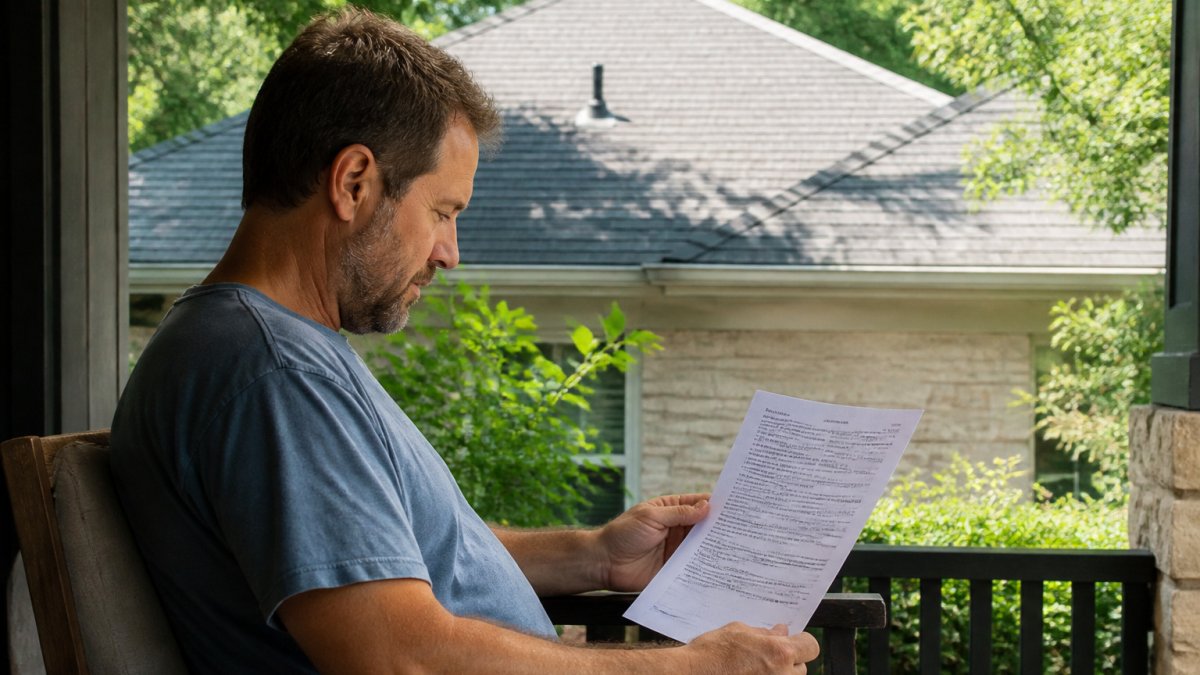
The terms that actually determine value
Before you compare any two warranties, pull these eight data points from each written document:
- Coverage duration, the calendar length, and whether it runs from treatment date or from a separate activation date.
- Covered components, treatment material only, treatment plus labor, or treatment plus repair of damaged shingles.
- Performance standard, what specific condition triggers a claim (for example, measured flexibility loss, granule loss thresholds, or visible cracking).
- Exclusions, pre-existing damage, storm damage, foot traffic, ponding water, unvented attics, and neglected maintenance are the usual carve-outs.
- Claim deadline, how many days after you notice a problem you have to file.
- Transferability, whether the warranty follows the roof to a new owner, and whether a transfer fee or registration step applies.
- Remedy, refund, re-treatment, repair, or prorated credit. A long warranty with a weak remedy is worth less than a short one with a strong remedy.
- Maintenance obligations, required inspections, cleaning, or re-application intervals that, if missed, void coverage.
Published terms for the treatments named in the research
| Provider | Published Warranty | Warranty Type | Covered Components (as published) | Exclusions Disclosed Publicly | Claim Deadline | Transferability | Remedy |
|---|---|---|---|---|---|---|---|
| GoNano | Up to 20 years | Single two-coat installation | Not specified in public materials | Not specified in public materials | Not specified in public materials | Not specified in public materials | Not specified in public materials |
| Fresh Roof | Six years | Limited warranty | Not specified in public materials | Not specified in public materials | Not specified in public materials | Not specified in public materials | Not specified in public materials |
| Roof Savers Renueit17 | 17 years | Transferable warranty (per a Facebook video) | Not specified in public materials | Not specified in public materials | Not specified in public materials | Transferable per video; written terms not published | Not specified in public materials |
That table is deliberately honest about what public sources do and do not disclose. The gaps are the point: a provider that will not put exclusions, claim deadlines, transferability, and remedy in writing is asking you to buy a number, not a warranty.
How to build your own apples-to-apples comparison
Use the same eight-term grid for every provider you contact. Request the full written warranty, not a brochure, not a webpage, and fill in each cell.
Neither is automatically better; the right choice depends on your roof's age, your willingness to keep up with inspections, and how long you plan to own the home.
GoNano's comparison of roof rejuvenation warranties is one published source for headline lengths, but treat it as a starting point for the eight-term grid rather than a substitute for the written documents.
Roof Rejuvenation Guarantee Coverage: Leaks Versus Shingle Performance
Some guarantees cover leaks. Find out how heat and climate affect shingle longevity before you judge shingle-performance coverage. Others cover how the shingles perform. These are different promises. A leak guarantee protects you if water gets in. A shingle-performance guarantee protects the material's condition, such as curling, cracking, or granule loss.
Ask which problem the guarantee addresses. If it covers only one, you carry the risk for the other.
Roof Rejuvenation Warranty Exclusions to Check Before You Sign
Exclusions decide whether your claim succeeds. Look for language on pre-existing damage, roof age, missing granules, and areas with heavy foot traffic or storm damage.
Watch out: a guarantee may be voided if the roof is not inspected before treatment.
If your shingles are already curling, a warranty may not apply to that damage. Expect a professional assessment before any treatment.
Does Treatment Affect Your Manufacturer Warranty and Homeowners Insurance?
This question matters more than most homeowners realize. Some shingle manufacturers may limit or void their warranties after non-approved treatments. Check your shingle manufacturer's warranty before you commit. Insurers may also ask about roof maintenance history when you file a claim, so keep records of the treatment, the inspection, and any contractor documentation.
Do not assume treatment is harmless to your existing coverage. Ask the provider for written confirmation that the treatment will not affect your manufacturer warranty.
How to Verify a Guarantee and File a Claim
Warranty disputes often turn on whether the homeowner can produce the document, the inspection record, or the maintenance proof the warranty requires. Verification and claims are the same skill applied at two different times: document everything, in writing, from the start.
Step 1: Separate a written warranty from marketing language
A written, enforceable warranty has specific features. Marketing language does not. Use this checklist before you pay:
- Named parties, the legal name of the warrantor (the company obligated to honor it), not just a brand name.
- Effective date and duration, a start date and an end date, not "up to" language alone.
- Covered components, spelled out (material, labor, repair, re-treatment).
- Performance standard, the measurable condition that triggers a claim.
If any of those are missing, ask for them in writing. A verbal promise of "we stand behind it" is not a warranty.
Step 2: Document the roof before treatment
Evidence you collect before treatment is what makes a later claim possible. At minimum, retain:
- Pre-treatment inspection report, dated, signed, and noting shingle type, roof age, and existing damage.
- Dated photographs, wide shots of each roof plane plus close-ups of any pre-existing curling, cracking, or granule loss. Pre-existing damage is the most common exclusion, and photos are how you prove what was already there.
- Treatment invoice and product documentation, including the product name, batch or lot if available, and the number of coats applied.
- Post-treatment photographs, same angles as the pre-treatment set.
- Maintenance records, any required inspections, cleanings, or re-applications, with dates.
Step 3: File the claim correctly
When you notice a problem, file within the warranty's claim deadline, not after. A common pattern is that homeowners wait to "see if it gets worse" and miss the window. Your claim submission should include:
- A written description of the problem and the date you first noticed it.
- The pre- and post-treatment photographs.
- The inspection report and treatment invoice.
- Your maintenance records.
- A specific request tied to the warranty's remedy clause (for example, re-treatment or repair).
Send the claim in a way that creates a record, email with delivery confirmation, or certified mail. Keep a copy of everything you send.
Step 4: If the claim is denied
Ask for the denial in writing and require the warrantor to cite the specific clause relied on. Compare that clause against your copy of the warranty. If the cited clause does not actually support the denial, respond in writing, quote the clause, and restate your claim.
Escalation options, in rough order:
- Written appeal to the warrantor's designated contact, referencing the warranty's dispute-resolution section.
- The installer's workmanship warranty, if the failure traces to application rather than product, the roofer's workmanship coverage may apply even when the product warranty does not.
- State consumer protection channels, most states have a consumer protection division or attorney general's office that accepts warranty complaints; check your state's process.
- Small claims court, for claims within your state's monetary limit, this is often the most practical route for a denied warranty of modest value.
Booking an Inspection to Confirm Your Roof Qualifies
Eligibility depends on your roof's actual condition, not on any warranty's marketing. A roof that is too far gone may not qualify, and an honest provider should tell you that. ATX Renewed Roofs offers transparent, no-pressure service, so you can learn whether treatment makes sense before committing.
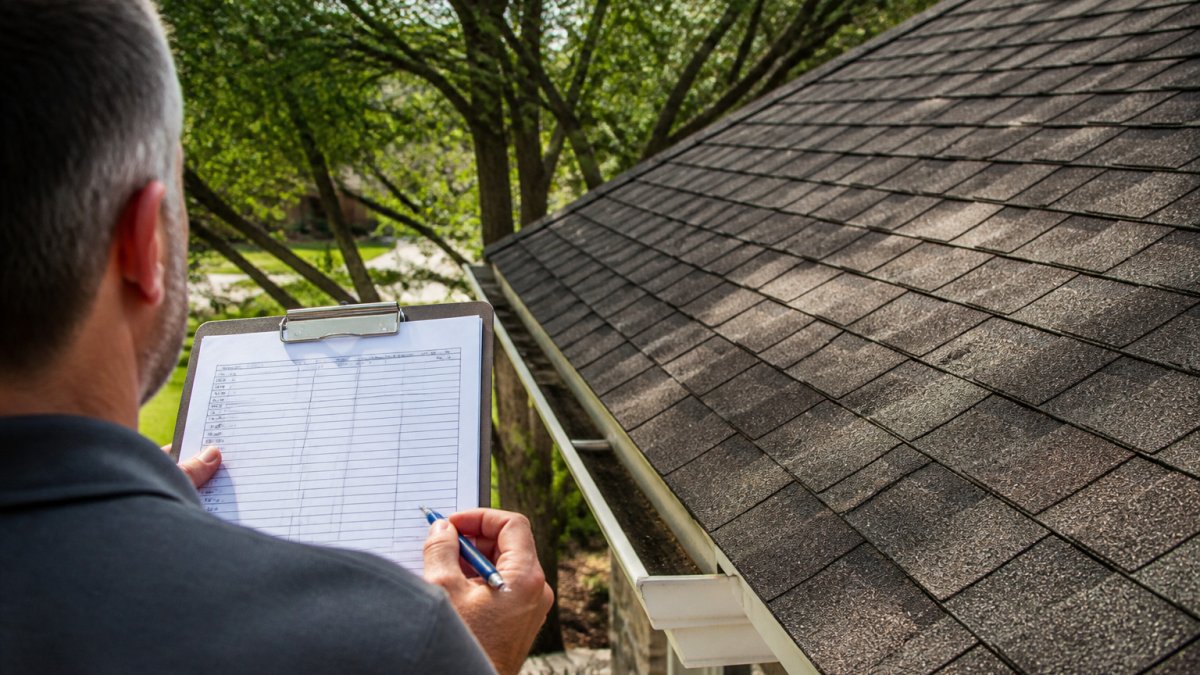
A professional inspection can help you understand what a warranty would cover for your specific roof.
Frequently Asked Questions
How long is a roof rejuvenation warranty usually valid?
Warranty terms vary widely across rejuvenation providers, and advertised lengths are not always the full picture. Before comparing, read the actual warranty document and confirm the start date, the coverage period, and whether the warranty is limited, prorated, or transferable to a future buyer.
What does a roof rejuvenation warranty cover?
A rejuvenation warranty typically addresses the performance of the treated shingles, such as flexibility, granule retention, and weather resistance over the stated period. Some warranties also reference leak coverage. Coverage is not uniform, so the written terms determine what is protected. Ask whether the guarantee covers shingle performance, leaks, or both, and whether the remedy is a repair, a re-treatment, or a partial credit toward other work.
Does a roof rejuvenation guarantee cover leaks or roof damage?
Not always. A guarantee that promises to restore shingle flexibility is different from one that covers water intrusion. Leak coverage usually depends on the condition of the roof deck, flashing, and underlayment, which a spray treatment does not change. Damage from storms, hail, or foot traffic is generally outside the scope of a rejuvenation guarantee. Confirm in writing which failures are covered before assuming a leak will be repaired at no cost.
Can roof rejuvenation affect homeowners insurance coverage?
Treatment can affect insurance in some cases, so ask your insurer before work begins. Some carriers evaluate roof age and condition when setting premiums or deciding claims, and documentation of a professional inspection and treatment may help. Keep the invoice, the product information, and the warranty paperwork together. Confirm with your provider how a treated roof is classified for coverage purposes.
Ready to find out whether your roof qualifies? ATX Renewed Roofs provides a free estimate and a clear explanation of what the guarantee covers. [page:2] shows what treatment costs compared with replacement, so you can weigh the decision with real numbers in front of you.