 How-to
How Long Does Roof Treatment Last: A 2026 Guide
Table of Contents
- How Long Does Roof Treatment Last: Realistic Timelines
- Roof Rejuvenation Lifespan: Treatment vs. Roof Life
- How Often to Treat a Roof for Best Results
- Roof Treatment vs. Roof Cleaning: Which Lasts Longer
- Does Roof Treatment Extend Roof Life: What the Evidence Shows
- Factors That Determine Treatment Longevity
- Maximizing Your Roof Treatment Results
- Frequently Asked Questions
Last Updated: October 21, 2026
How Long Does Roof Treatment Last: Realistic Timelines
When your asphalt shingles start showing their age, the question becomes urgent: how long does roof treatment last? The answer depends on several factors.
At ATX RENEWED ROOFS, we work with Austin homeowners who want honest answers about roof longevity. The reality is that roof treatment isn't a permanent fix, but it's also not a temporary bandage. Understanding what influences treatment duration helps you plan your maintenance budget and avoid surprise costs down the road.
Treatment Duration by Material Type
Asphalt shingles respond differently to roof treatment depending on their composition and age. Newer asphalt shingles still retain natural oils, so treatment effectiveness may last toward the longer end of the timeline. Older shingles with significant granule loss absorb treatment more readily but may show visible results wearing off sooner.
Fiber cement and composite shingles also accept treatment, though they respond on a slightly different schedule. The key difference comes down to how much the material can absorb and retain the rejuvenation compounds.
When you're evaluating your roof's material, consider its current condition too. A roof that's already heavily weathered may benefit from treatment but won't extend results as far as treating a roof in moderate condition.
Climate and Weather Impact on Longevity
Your local climate plays a massive role in how long roof treatment holds up. Heat, UV exposure, moisture, and rain all break down protective compounds over time. In hot, sunny climates, treatment may fade faster.
Shade works in your favor. Roofs under tree cover or in shadier locations often retain treatment longer because they're exposed to less intense sun. If your roof sits in full sun exposure all day, expect treatment to last toward the shorter end of the range. Conversely, partial shade can add several months to treatment longevity.
Humidity and moisture also matter. Regions with frequent rain or high moisture levels may see treatment wash away or degrade faster. Storm exposure, ice dams, and standing water all accelerate the breakdown of roof treatments.
Roof Rejuvenation Lifespan: Treatment vs. Roof Life
Here's where confusion typically starts: people mix up how long treatment lasts with how long the roof itself lasts. These are two different timelines.
Think of treatment as a maintenance layer, not a structural solution. When treatment wears off, the roof doesn't suddenly fail. The shingles are still there, still protecting your home. You simply lose the enhanced flexibility, color restoration, and weather resistance that the treatment provided.
The real benefit of roof rejuvenation is extending the functional lifespan of aging shingles. A roof that might have 3 to 5 years left can sometimes gain additional years of service life through proper treatment and maintenance.
How Often to Treat a Roof for Best Results
Most homeowners benefit from retreating their roof regularly to maintain consistent results. If your roof is in a high-sun or high-moisture environment, you might retreat annually. If it's shaded and protected, you could stretch it to every 2 to 3 years.
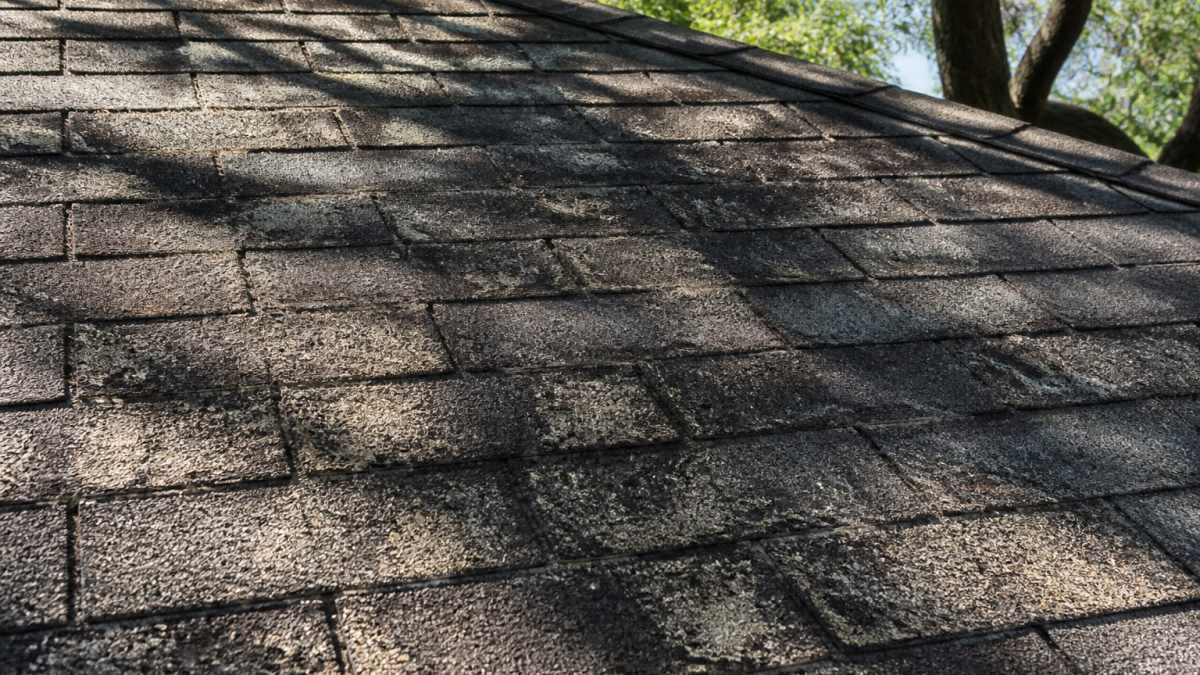
The key is staying ahead of visible deterioration. Once you start seeing algae streaks, moss growth, or significant color fading returning, treatment effectiveness is already declining. Proactive retreatment keeps your roof looking better and performing longer.
Signs Your Treatment Is Wearing Off
Watch for these specific indicators that your roof treatment is losing effectiveness:
- Algae or moss returning. Black streaks or green growth appearing on previously treated areas signals that the biocide protection has worn away.
- Color fading. The restored color from treatment gradually lightens as UV exposure continues.
- Loss of water beading. Treated roofs shed water more effectively. When water starts pooling or running differently, treatment is fading.
- Granule visibility increasing. If you're starting to see more granule loss than you did right after treatment, the protective layer is thinning.
- Shingles feeling less flexible. Treated shingles are more pliable. If they're getting brittle again, the rejuvenation oils have largely dissipated.
Creating a Maintenance Schedule
Start by documenting your treatment date and expected longevity range. Mark your calendar for a roof inspection 12 months after treatment. Look for the warning signs listed above. If you see significant deterioration by month 18, plan your next treatment for month 20 to 24.
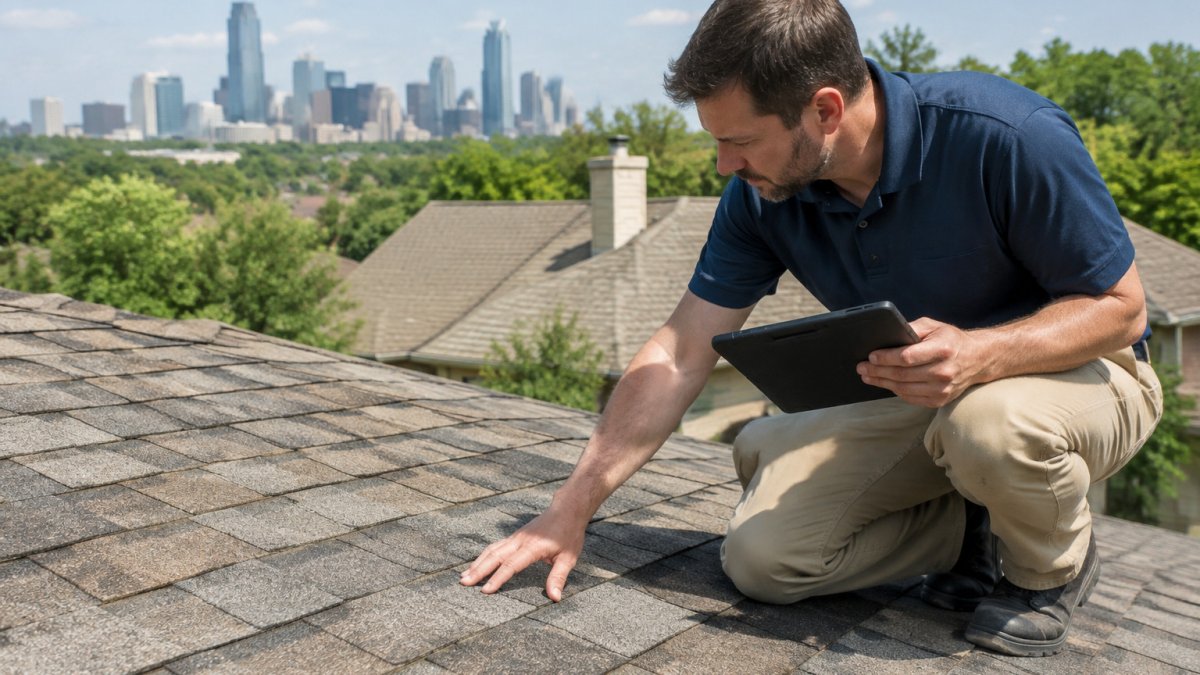
For best results, combine visual inspections with a professional assessment. We recommend scheduling a free evaluation annually to catch problems early. This prevents you from overinvesting in unnecessary treatments while ensuring you don't wait too long and lose the benefits.
Roof Treatment vs. Roof Cleaning: Which Lasts Longer
Roof cleaning and roof treatment are related but distinct services. Understanding the difference matters for your maintenance strategy.
Roof cleaning removes algae, moss, dirt, and debris from shingles. It restores appearance immediately but doesn't prevent regrowth. Results typically last before organic growth returns.
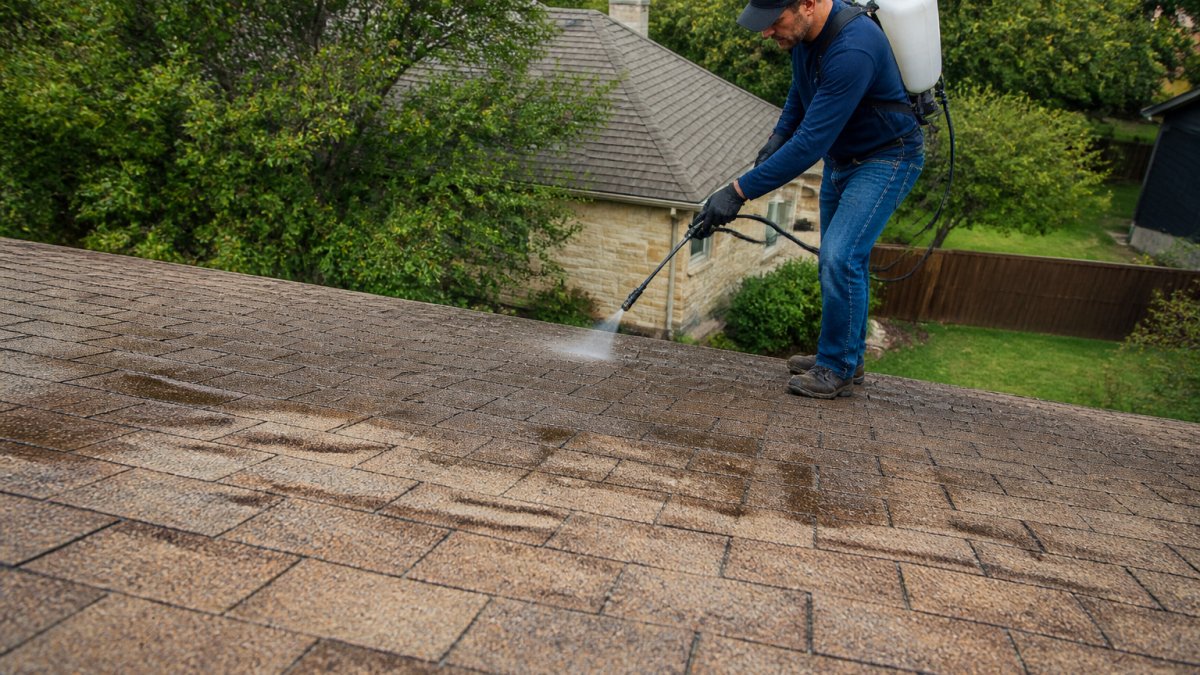
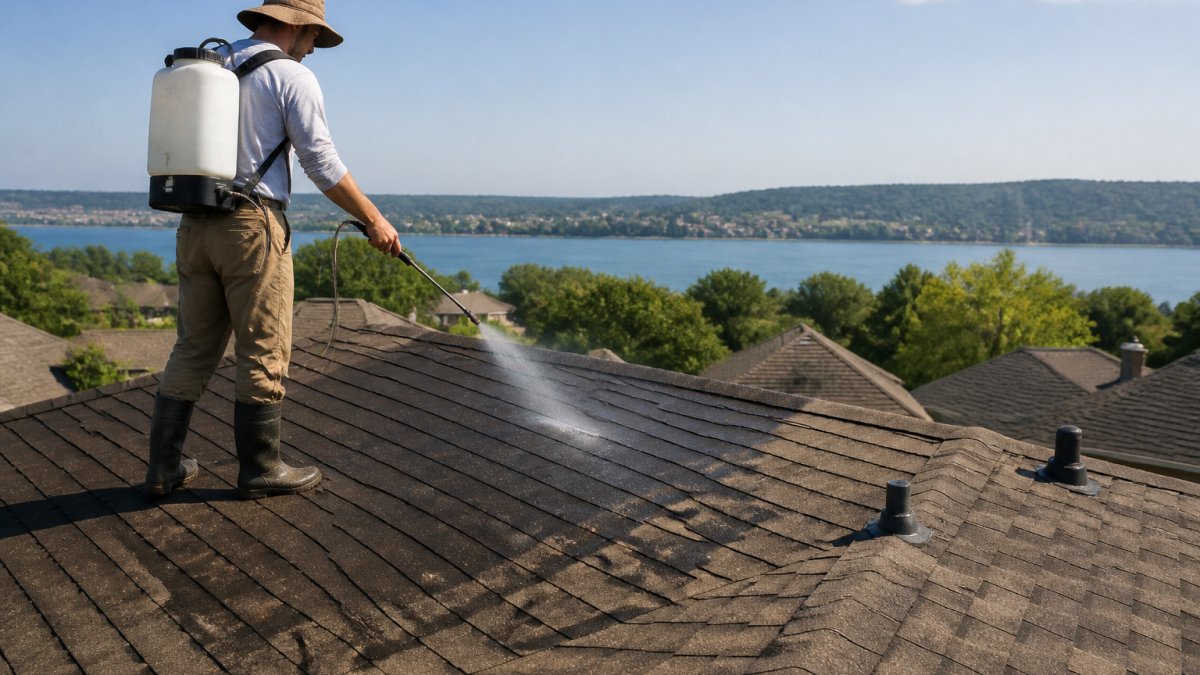
Roof treatment applies a biocide or rejuvenation compound that both cleans the roof and prevents regrowth. Treatment addresses the root problem by making the roof surface inhospitable to algae and moss while restoring essential oils to aging shingles. Results last significantly longer.
Many homeowners benefit from combining both approaches. A thorough cleaning removes existing organic growth, then treatment prevents it from returning quickly. This combination maximizes both appearance and longevity.
Does Roof Treatment Extend Roof Life: What the Evidence Shows
This is the question every budget-conscious homeowner asks: does roof treatment actually extend the life of your roof, or does it just make it look better?
The honest answer is both. Roof treatment restores flexibility to brittle shingles, which reduces stress cracks and extends functional life. It also improves weather resistance, helping shingles withstand UV damage, wind, and temperature fluctuations more effectively. These factors together can add several years to your roof's service life.
Most homeowners see additional years of roof life through regular treatment and maintenance. That's not a replacement for a roof that's truly failed, but it's substantial enough to defer major replacement costs significantly.
How Treatment Prevents Costly Replacement
A full roof replacement costs thousands of dollars and generates substantial landfill waste. Roof treatment costs a fraction of that while extending your existing roof's life. The math is straightforward: if treatment costs a fraction of replacement and buys you additional years of roof life, you're deferring a replacement that might cost significantly more.
Beyond cost, there's the environmental benefit. Extending the life of existing shingles keeps roofing material out of landfills and reduces the demand for new manufacturing. For environmentally conscious homeowners, that's a compelling reason to treat rather than replace.
Factors That Determine Treatment Longevity
Several specific conditions influence how long your roof treatment remains effective. Understanding these helps you predict realistic timelines for your situation.
Shade, Tree Cover, and Moisture Exposure
Shade dramatically extends treatment longevity. Roofs under tree cover experience less UV degradation and often retain treatment effectiveness longer than fully exposed roofs. However, shade also means more moisture, which can support algae and moss growth, so the trade-off is real.
Tree branches hanging over your roof accelerate organic growth. Leaves and debris trap moisture and create ideal conditions for algae and moss. If you have significant tree cover, plan for more frequent treatment or consider trimming branches to improve air circulation.
Moisture exposure from rain, humidity, or poor drainage shortens treatment life. Roofs in damp climates or with water management issues need more frequent retreatment.
Application Quality and Preparation
How well your roof is prepared before treatment directly impacts results. Thorough cleaning removes dirt, algae, and loose granules, allowing treatment to penetrate and adhere properly. Poor preparation means treatment sits on the surface rather than bonding with the shingles, leading to shorter effectiveness.
Professional application matters too. Proper dosage, even coverage, and correct application technique all influence how long treatment lasts. Underapplication leads to patchy results and shorter longevity. Overapplication doesn't extend life proportionally and wastes material.
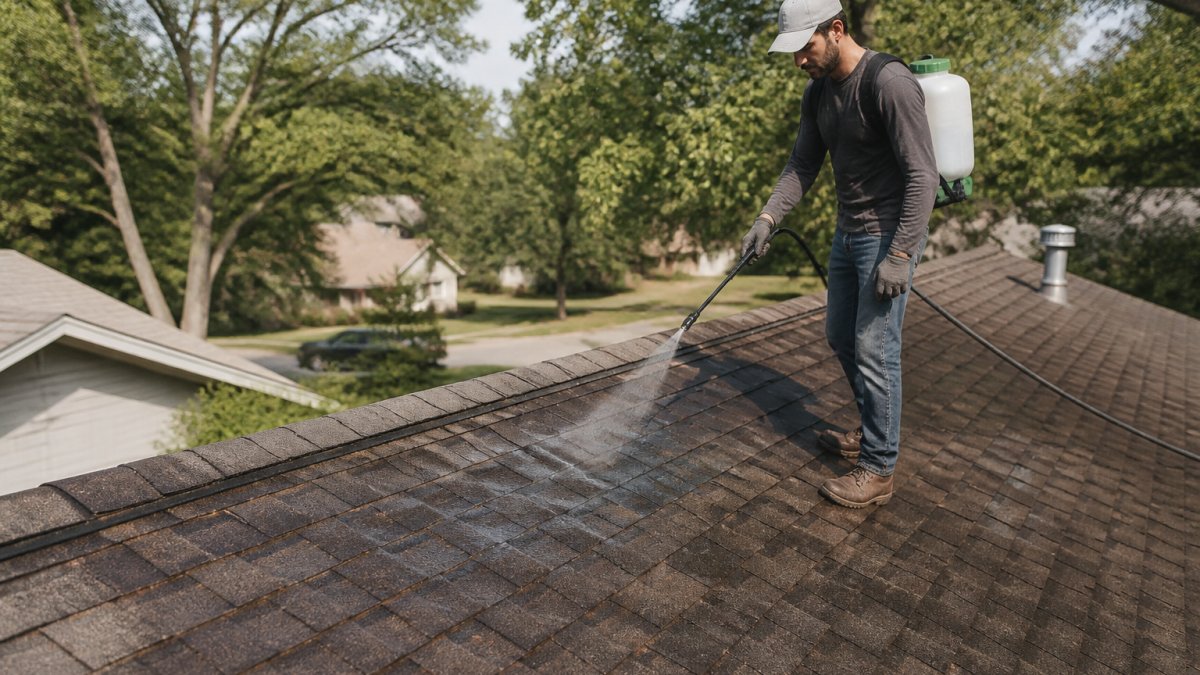
The quality of the treatment product itself varies. Plant-based, eco-friendly formulations often outperform harsh chemical alternatives in terms of longevity and safety. At ATX RENEWED ROOFS, we use plant-based rejuvenation spray specifically chosen for durability and environmental responsibility.
Algae, Moss, and Organic Growth Prevention
Treatment that includes biocide protection prevents algae and moss from returning as quickly. The biocide component remains active for the duration of treatment effectiveness. Once biocide protection fades, organic growth returns faster.
Roofs in high-moisture environments with poor air circulation are especially prone to algae and moss. If your roof has a history of rapid regrowth, you may need more aggressive prevention strategies, either more frequent treatment or environmental modifications like branch trimming.
Maximizing Your Roof Treatment Results
Getting the longest possible life from your roof treatment requires intentional maintenance and monitoring.
Proper Maintenance Between Treatments
Keep your roof clean between treatments. Remove leaves and debris regularly to prevent moisture trapping. Ensure gutters drain properly and don't allow water to pool on the roof. Good drainage prevents the conditions that accelerate treatment breakdown.
Trim overhanging branches to reduce shade and moisture. This improves air circulation and reduces the organic growth that weakens treatment effectiveness. It's a simple step that extends results significantly.
Avoid pressure washing treated roofs unless absolutely necessary. High-pressure water can strip treatment prematurely. If cleaning is needed between treatments, use low-pressure soft washing instead.
Monitoring and Inspection Best Practices
Schedule visual inspections every 6 months. Look for the warning signs mentioned earlier: returning algae, color fading, or reduced water beading. Catching problems early lets you plan treatment timing strategically.
Take photos of your roof after treatment. Compare them to photos taken 12 and 18 months later. Visual comparison makes it easy to spot when treatment effectiveness is declining.
Document your treatment dates, product used, and weather conditions. This history helps you predict future treatment needs and identify patterns specific to your roof and climate.
Planning your roof treatment strategy means understanding realistic timelines and staying ahead of deterioration.
At ATX RENEWED ROOFS, we help Austin homeowners make informed decisions about roof treatment. Our plant-based rejuvenation spray extends roof life while keeping your home sustainable and your budget protected.
| Factor | Impact on Treatment Duration | Typical Extension |
|---|---|---|
| Full sun exposure | Shorter lifespan due to UV degradation | 12-18 months |
| Partial shade | Moderate UV protection | 18-24 months |
| Heavy shade with tree cover | Longer lifespan but higher moisture | 24-30 months |
| High-moisture climate | Accelerated breakdown | 12-18 months |
| Dry climate with low humidity | Extended effectiveness | 24-36 months |
| Professional application | Optimal adhesion and coverage | Adds 3-6 months |
| DIY or poor preparation | Reduced bonding and longevity | Minus 3-6 months |
Frequently Asked Questions
How long does roof treatment last on asphalt shingles?
Roof treatment on asphalt shingles typically lasts, depending on climate, sun exposure, and moisture levels. In humid regions with frequent rain and shade from trees, treatment may need reapplication sooner. Plant-based rejuvenation treatments that restore essential oils can extend this timeline by addressing the root cause of shingle deterioration, helping your roof maintain flexibility and weather resistance longer than cleaning alone.
Does roof treatment actually extend the life of your roof?
Yes, roof treatment extends roof life by restoring the structural integrity of aging shingles. As asphalt shingles age, they lose essential oils that keep them flexible and water-resistant. Treatment replenishes these oils, reducing cracking, curling, and granule loss, common causes of premature failure. This can add years to your roof's service life, delaying the need for costly replacement and keeping your roof functional longer.
What factors make roof treatment wear off faster?
Treatment durability depends on climate, shade, and maintenance. Roofs in direct sun exposure typically see faster breakdown due to UV radiation. Moisture from rain, humidity, and shade from overhanging branches accelerates algae and moss growth, which can compromise treatment effectiveness. Proper roof cleaning before treatment application and regular inspection also influence how long results last. Homes in harsh weather conditions or with poor drainage may need treatment reapplied more frequently.
How often should you treat your roof to maintain protection?
Most roofs benefit from regular treatment for consistent protection, though this depends on your specific climate and roof condition. If you live in a humid area with significant shade or frequent rain, annual inspections help determine if earlier reapplication is needed. Monitoring for algae streaks, moss growth, or fading color indicates when treatment is wearing off. A professional assessment can recommend a maintenance schedule tailored to your roof's age, material, and environmental exposure.