 How-to
Can You Keep an Aging Roof Going Without Replacing It?
Last Updated: October 30, 2026
Quick Summary
In most cases, yes. Sustainable maintenance can help an aging roof last longer, starting with a careful inspection to see whether the damage is limited or widespread. Limited wear often responds to repair or treatment, while widespread curling, cracking, or soft decking usually calls for replacement.
- Austin sun dries out shingle oils, making them brittle and causing curling.
- Inspect for curling, bare granule spots, cracks, moss, and damaged flashing.
- Catch curling early, since flexible curled shingles can often be resealed.
- Never pry a brittle shingle flat, because it will often snap.
- Use a soft brush for moss and avoid pressure washing, which strips granules.
Table of Contents
- Why Austin Heat Ages Asphalt Shingles Faster
- Start With a Roof Inspection Checklist
- Handling Curling Roof Shingles Repair Before It Spreads
- How a Roof Rejuvenation Treatment Works and Why It Is Sustainable
- Routine Maintenance Steps You Can Do Yourself
- Roof Repair vs Replacement: How to Decide
- Booking Your Free Estimate for an Honest Roof Assessment
- Frequently Asked Questions
Why Austin Heat Ages Asphalt Shingles Faster
If your roof is 15 to 20 years old and showing wear, you may be wondering whether you can keep it going without paying for a full replacement. In most cases, you can. Sustainable ways to maintain an aging roof can help it last longer and perform better.
Austin's climate is hard on asphalt shingles. Long stretches of intense sun dry out the oils in the shingle, and those oils keep it flexible. Over time the shingle gets brittle, curls at the edges and sheds granules. Those granules protect the asphalt from UV light, so losing them speeds up the damage.
Heat is not the only issue. Summer storms bring hail and high winds, and each event can loosen or crack shingles that were already weakened by the sun.
- Sun exposure dries out shingle oils
- Dry shingles lose flexibility and crack
- Lost granules leave asphalt exposed to UV
- Storms finish off shingles that are already weak
Start With a Roof Inspection Checklist
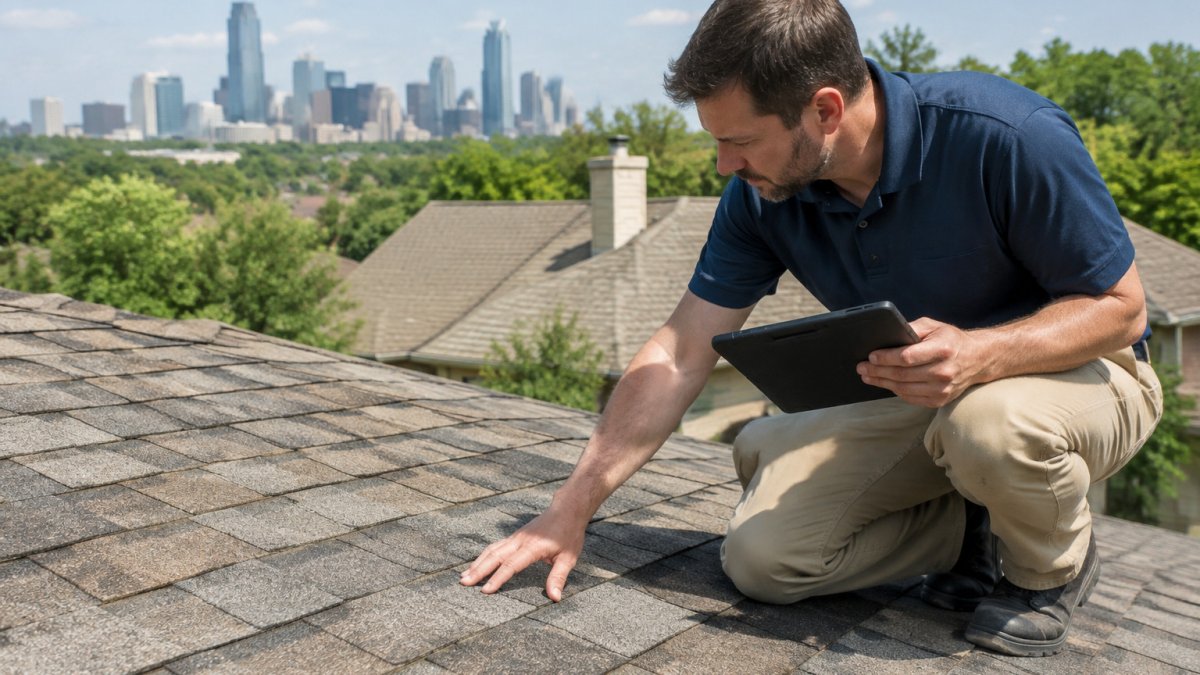
Before you choose any fix, you need to know what condition your roof is really in. A simple inspection can show whether you have a maintenance problem or a bigger one.
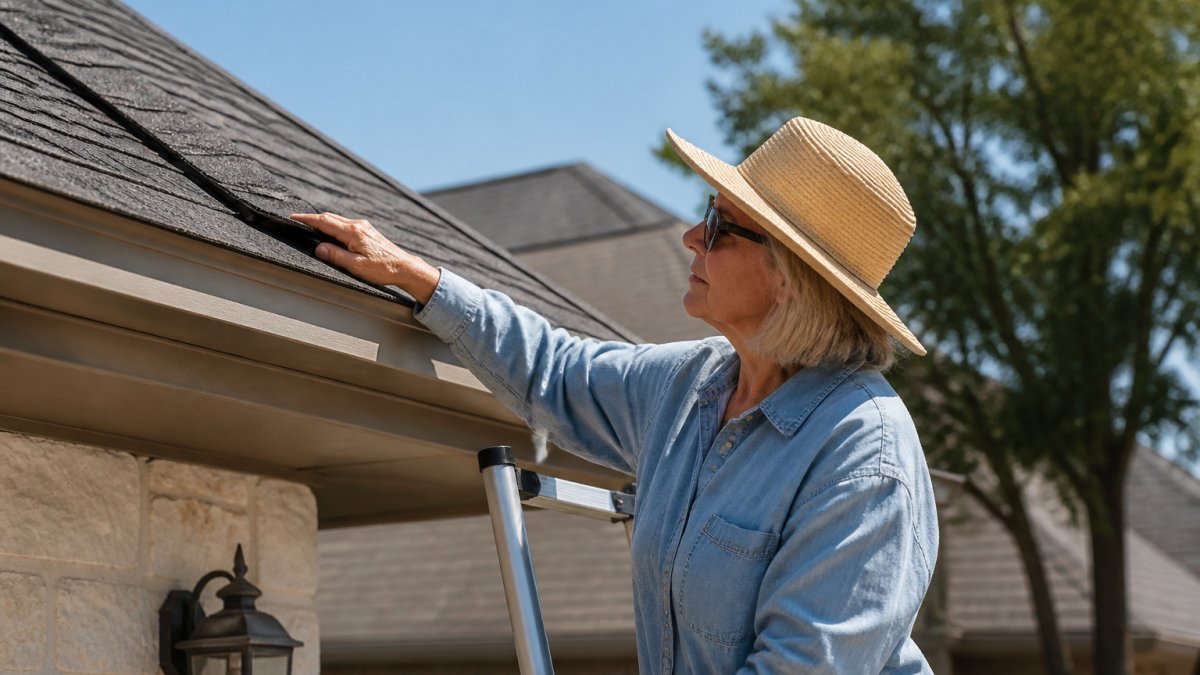
Look for these signs from the ground with binoculars, or from a stable ladder if you feel safe doing so:
- Curling or lifting shingle edges
- Bare spots where granules have washed away
- Cracked, split, or missing shingles
- Dark streaks or moss growth
- Granules collecting in gutters or at downspouts
- Damaged flashing around vents and chimneys
Check the inside of the home too. Water stains on ceilings or attic rafters often show a leak before you see one on the roof itself.
Write down what you find and take photos. A dated record helps you track changes and gives a roofing professional a clear starting point.
Handling Curling Roof Shingles Repair Before It Spreads
Curling is one of the most common signs of an aging roof. Our practical guide explains whether curled shingles can be restored instead of replaced. Curled shingles no longer lie flat, so wind can lift them and water can get underneath.
Many homeowners find that catching curling early makes the repair much simpler. A few shingles that are still flexible can often be relaxed and resealed. Shingles that are brittle and cracked usually need to be replaced, not repaired.
Watch out: do not try to pry a brittle shingle flat. It will often snap, and you will end up with more damage than you started with.
How a Roof Rejuvenation Treatment Works and Why It Is Sustainable
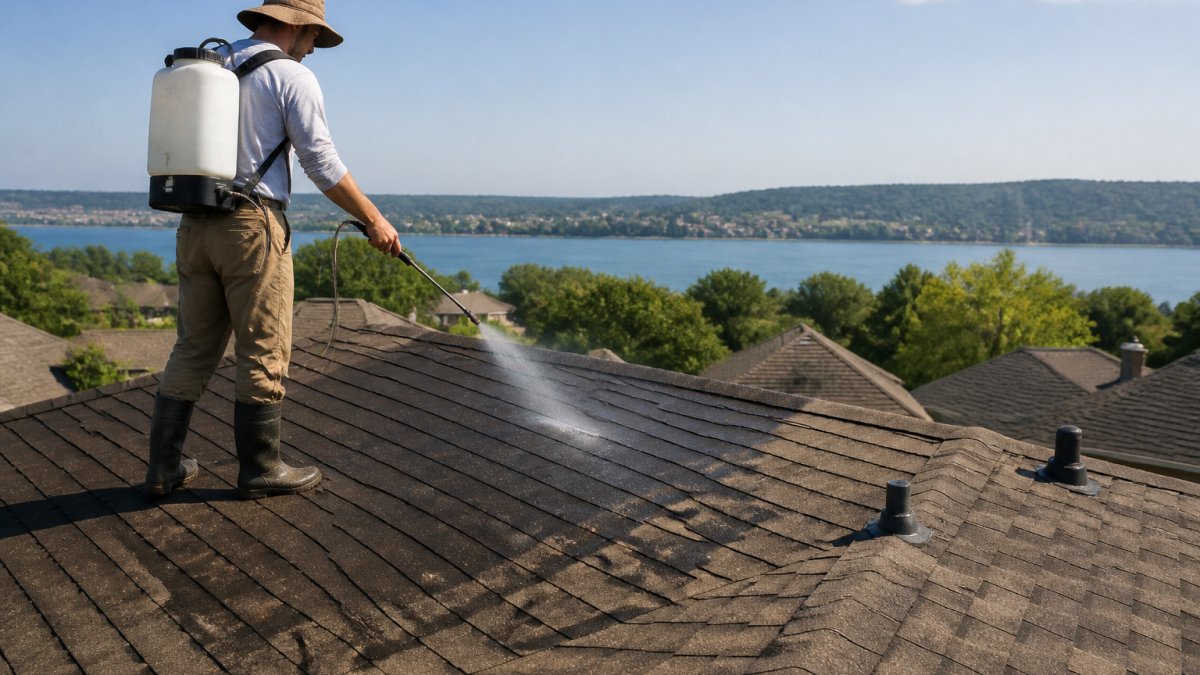
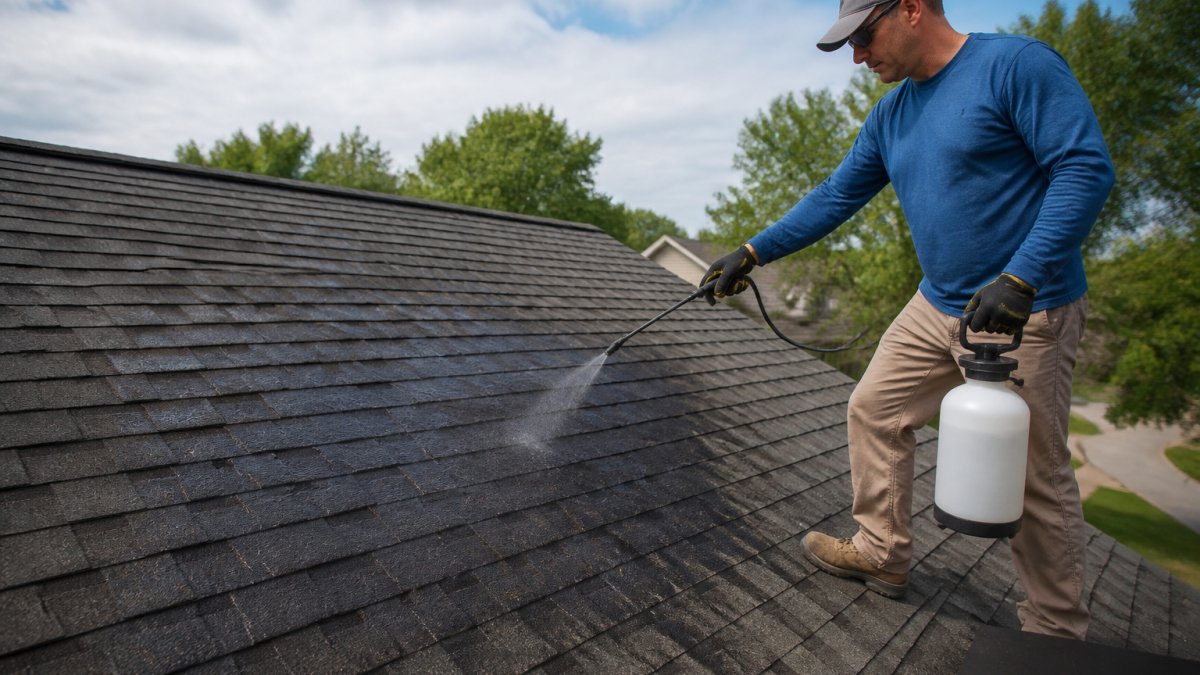
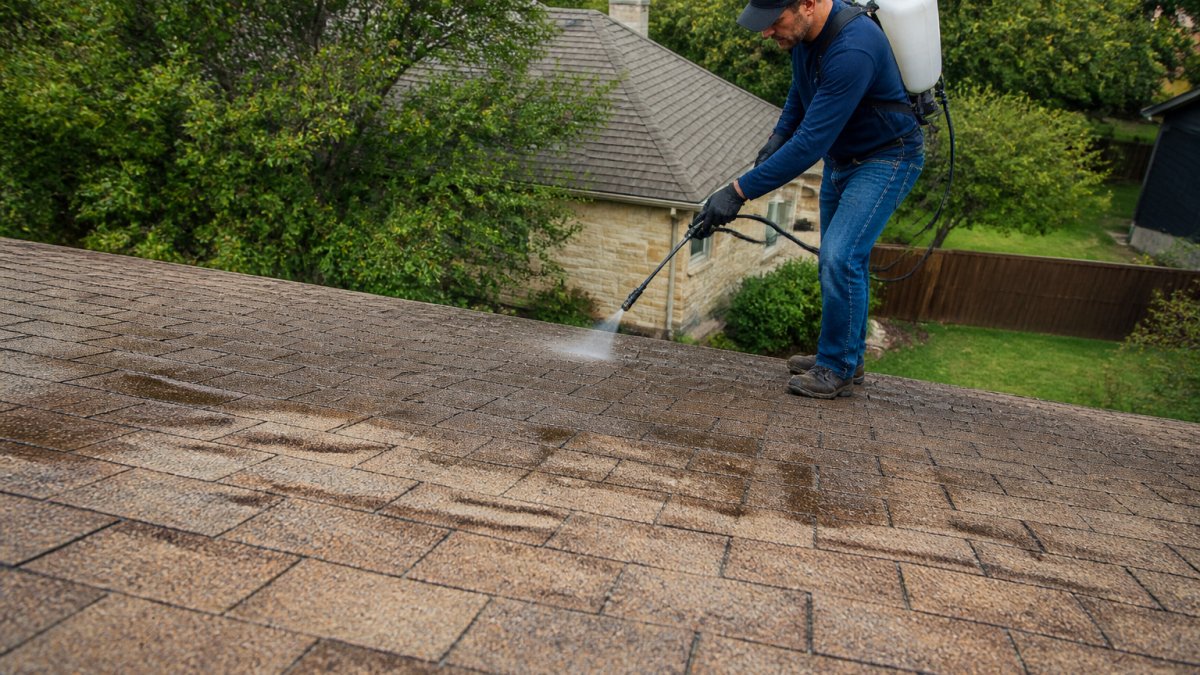
A roof rejuvenation treatment is a different approach from replacement. Instead of removing the shingles, a plant-based spray restores some of the oils that aging asphalt has lost, which can help shingles regain flexibility and original color.
This approach is generally suited to roofs that are still structurally sound but showing surface wear. Compare spraying with full replacement for Austin homes to see which option fits your situation. A professional assessment can confirm whether a given roof is a good candidate.
Why does this matter for sustainability? Full replacements send old shingles to landfill, and extending the life of the roof you already have helps keep that material out of the waste stream. Learn about eco-friendly coatings and their long-term savings.
Before choosing any treatment, ask your provider these questions:
- What ingredients does the product contain?
- Is my roof's current condition a good candidate for treatment?
- What is the expected life extension, and how was it determined?
- What warranty or guarantee applies if results fall short?
Pricing depends on quantity, dates, and delivery. Visit the ATX Renewed Roofs pricing page or contact ATX Renewed Roofs for a current quote.
Routine Maintenance Steps You Can Do Yourself
Regular care is the cheapest way to slow aging. See a fuller list of maintenance steps to extend the life of a shingled roof in Austin. A few steps every year or two can add years to a roof. Find practical repair and maintenance tips written for Austin homeowners to plan your upkeep.
- Clear debris from gutters and valleys so water drains properly.
- Trim tree branches that hang over the roof, since they drop debris and rub shingles.
- Remove moss and algae gently, using a soft brush rather than a pressure washer.
- Check flashing and sealant around vents and chimneys for cracks.
- Look for loose nails or lifted shingles after every major storm.
Pressure washing is a common mistake. High pressure strips granules and can shorten the life of the roof. A gentle rinse is safer.
Roof Repair vs Replacement: How to Decide
The real question is not whether your roof is old. It is whether the damage is limited or widespread.
A repair or treatment often makes sense when:
- Damage is confined to a few areas
- The shingles still bend without cracking
- The roof is not leaking into the home
- The underlying decking is solid
Replacement is usually the better choice when curling and cracking cover large parts of the roof, when the decking is soft, or when leaks keep returning. In those cases, a treatment alone may only delay a larger bill.
Here is the key tradeoff: a treatment can save money and waste now, but it cannot fix structural damage. An honest assessment tells you which situation you are in.
The table below compares the two paths using the points the article makes about when each one fits.
| Situation | Better choice | Why |
|---|---|---|
| Damage limited to a few areas | Repair or treatment | Only localized wear to address |
| Shingles still bend without cracking | Repair or treatment | Shingles remain flexible enough to fix |
| Roof not leaking into the home | Repair or treatment | No active water intrusion |
| Decking is solid | Repair or treatment | Structure is sound |
| Curling and cracking across large areas | Replacement | Wear is widespread |
| Soft decking | Replacement | Structural damage needs more than a treatment |
| Leaks keep returning | Replacement | Treatment alone may only delay a larger bill |
Booking Your Free Estimate for an Honest Roof Assessment
Deciding between treatment and replacement is easier with a professional look at your roof. ATX Renewed Roofs offers transparent, no-pressure service, with assessments that tell you whether your roof is a good candidate for treatment.
Our assessment will cover shingle condition, granule loss, curling, flashing, and any signs of leaks. You will get a clear recommendation based on what we see, not a sales pitch.
Ready to find out whether your roof can keep going? GET A FREE ESTIMATE TODAY.
Frequently Asked Questions
Can an aging asphalt shingle roof be rejuvenated instead of replaced?
In many cases, yes. Shingles that still lie reasonably flat, with granules mostly intact and no major leaks or decking damage, can often be treated with a plant-based rejuvenation spray that restores flexibility and slows further drying. A roof with widespread curling, exposed mat, or soft decking usually needs repair or replacement first. A licensed roofer or ATX Renewed Roofs can inspect your roof and tell you honestly which category it falls into before you commit to any treatment.
How often should an aging roof be inspected?
Most roofs benefit from a professional inspection at least once a year, and again after major storms, hail, or extended periods of intense heat. In Austin, where summer sun is harsh, checking roof condition each spring and fall helps catch curling, cracking, and granule loss early. A roof inspection checklist you can follow between professional visits includes looking for missing or lifted shingles, debris in gutters, and new granules in downspouts.
What roof maintenance can homeowners safely do themselves?
Homeowners can safely clear gutters and debris, trim overhanging branches, check the attic for daylight or moisture around vents, and visually inspect the roof from the ground with binoculars. Avoid walking on steep or wet roofs, and never climb onto a roof alone. Tasks such as replacing shingles, sealing flashing, or applying treatments should be left to trained professionals, who also know how to protect nearby plants and surfaces.
How long does a roof rejuvenation treatment last?
Duration depends on the roof's condition, the shingle type, and how exposed it is to sun and storms. Treatments are meant to extend the functional life of a roof by several years rather than make it permanent, so the most useful way to plan is to ask for a realistic timeline during your assessment. Pricing depends on quantity, dates, and delivery, so visit the ATX Renewed Roofs pricing page for current pricing or request a free estimate.