 How-to
Can Old Curling Shingles Be Restored? A Practical Guide
Table of Contents
- What Curling Shingles Actually Tell You About Your Roof
- Common Causes of Curling: Installation, Ventilation, and Age
- Asphalt Shingle Lifespan: Is Curling Just Normal Aging?
- How to Fix Curled Shingles: Step-by-Step Restoration Limits
- Roof Shingle Repair vs Replacement: The Decision Tree
- Roof Rejuvenation for Asphalt Shingles: What It Can and Can't Do
- Warranty, Insurance, and Code Considerations
- Conclusion
- Frequently Asked Questions
Last Updated: October 17, 2026
What Curling Shingles Actually Tell You About Your Roof
Can old curling shingles be restored? Sometimes, yes, it depends on why the shingle curled.
At ATX RENEWED ROOFS, we treat curling as a symptom, not a verdict.
That distinction matters more than the curl itself. One kind of curl is a candidate for curling shingles restoration. The other needs a roofer with a hammer, not a spray.
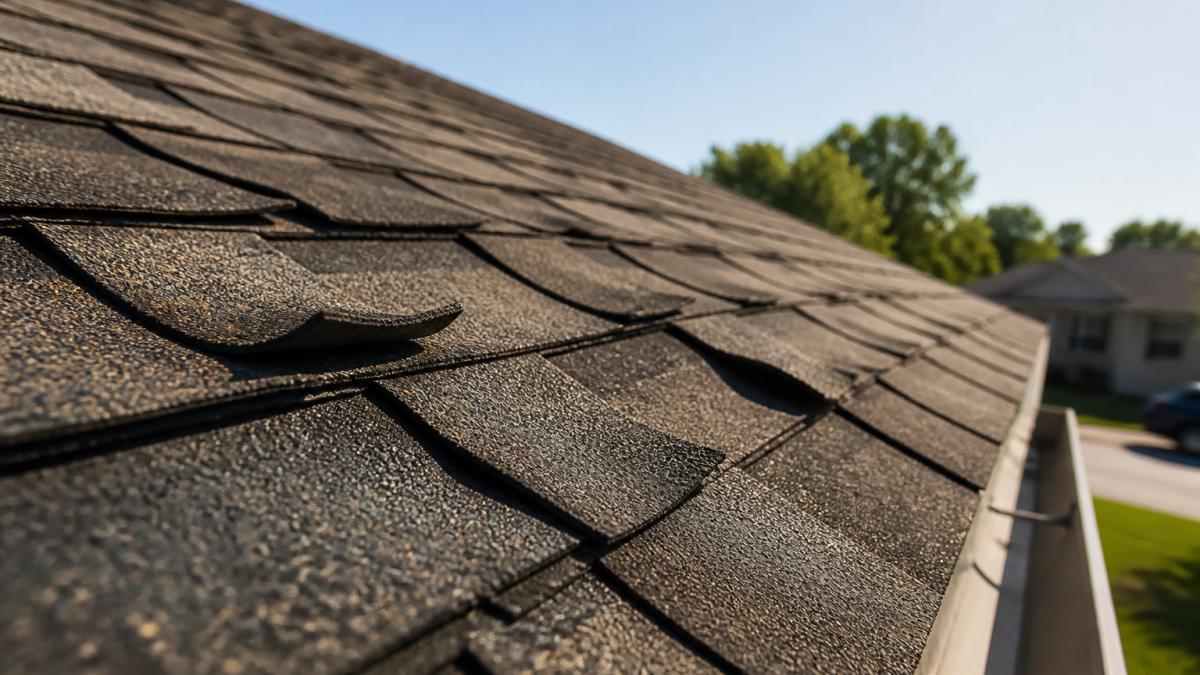
Curling vs. Cupping vs. Buckling: How to Tell the Difference
They look similar from the ground but are not the same problem.
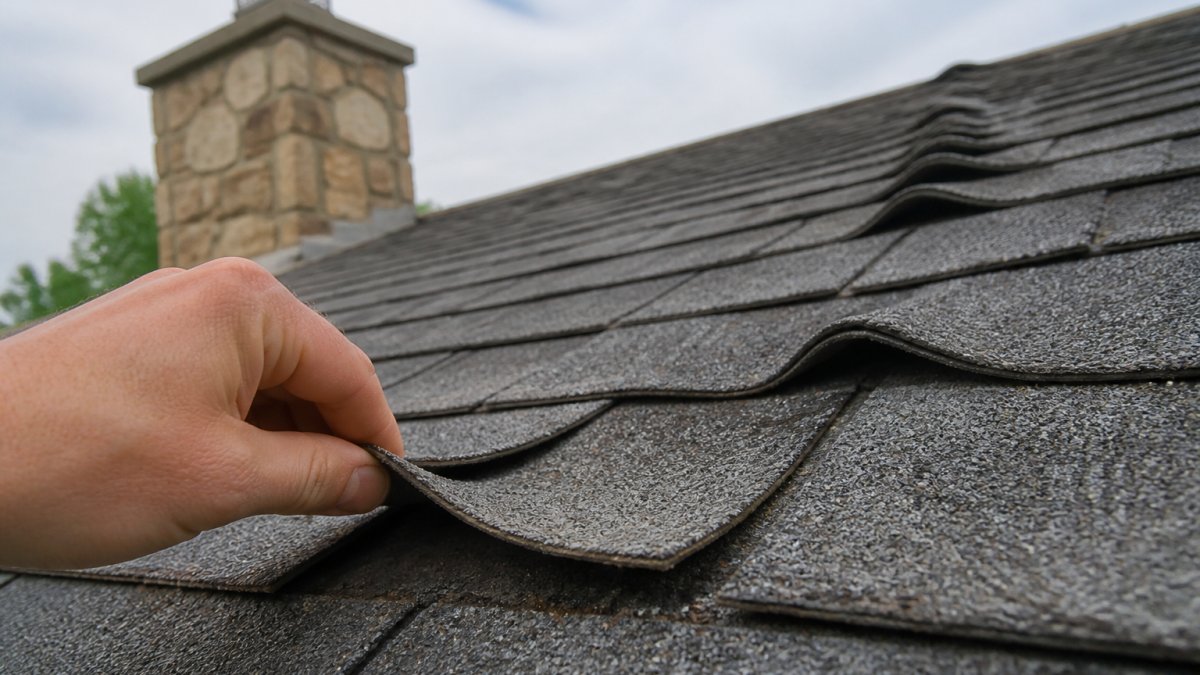
- Curling: shingle edges lift or bend upward, often at the corners. The middle stays flatter.
- Cupping: the shingle's center sinks while the edges rise, forming a shallow bowl. It usually points to moisture trapped underneath.
- Buckling: the whole roof surface ripples or waves in long lines. That pattern often signals a decking or ventilation problem, not worn shingles.
The pattern of damage tells you which repair is even possible: random corner lift on a sun-facing slope is a different animal from a wavy roof plane.
Common Causes of Curling: Installation, Ventilation, and Age
Curling has three main causes, each pointing to a different fix.
Second, poor roof ventilation: when attic ventilation can't move hot air out, heat buildup bakes the shingles from below, driving out the oils that keep asphalt flexible.
Third, age: sun and weather break down the asphalt over time, and granule loss follows. Once granules are gone, the surface takes direct UV damage.
Asphalt Shingle Lifespan: Is Curling Just Normal Aging?
Curling is normal aging in some cases and a warning sign in others. An asphalt shingle lifespan typically runs 15 to 20 years for standard three-tab shingles, longer for some architectural styles.
On a 15- to 20-year-old roof, mild curling on sun-facing slopes is expected wear and a reasonable candidate for shingle preservation work.
On a 6-year-old roof, curling is not normal. Something else is wrong.
Look for these signs of roof deterioration before you decide:
- Granules collecting in gutters or at downspout outlets
- Shingles that feel brittle or crack when lifted at the edge
- Soft spots in the roof decking when you walk the roof
If several of those boxes are checked, the roof has moved past cosmetic wear.
How to Fix Curled Shingles: Step-by-Step Restoration Limits
Knowing how to fix curled shingles starts with a hard limit: you can re-seal a lifted edge, but you cannot un-age a shingle. The realistic process, in order:
- Inspect from the attic first. Look for water intrusion, dark stains on the roof decking, and any sag between rafters. [Time: 20 minutes]
- Check attic ventilation. Confirm intake vents at the soffit are open and not blocked by insulation. Confirm exhaust vents are clear. [Time: 15 minutes]
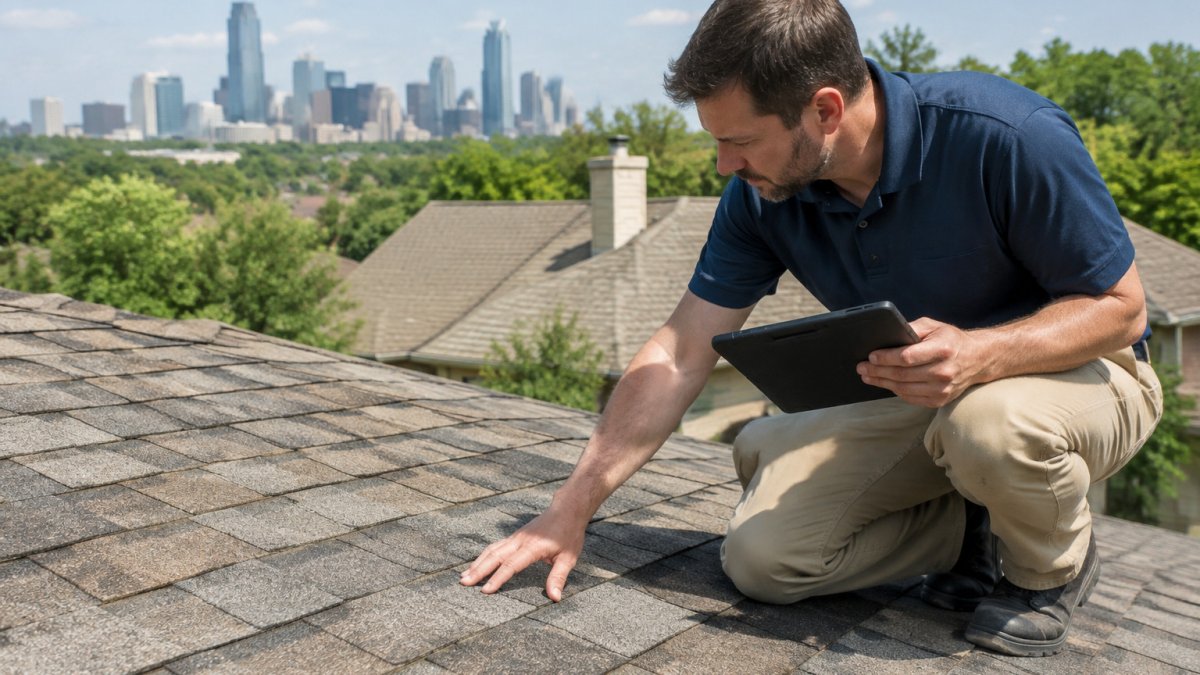
- Walk the roof and map the damage. Note where the curl is, which direction the slope faces, and whether the pattern is random or in lines. [Time: 20 minutes]
- Test shingle flexibility. Gently lift one curled edge. If it flexes, the shingle has some life left. If it snaps, it is brittle and further handling will cause more damage.
- Re-seal minor lifts with roofing sealant. Apply a bead of asphalt roof cement under the lifted edge and press it down. Weight it until it sets. This is a spot fix, not a cure.
- Replace torn or missing shingles. Individual shingle repair is worth doing when the damage is isolated to a small area.
- Call a professional for anything beyond spot work. If more than a small patch is affected, or if the decking is soft, stop.
Roof Shingle Repair vs Replacement: The Decision Tree
The roof shingle repair vs replacement call comes down to three factors: shingle condition, roof age, and how much of the roof is affected. Use this decision tree, then pressure-test it against cost and remaining service life.
| Condition | Roof Age | Recommended Path |
|---|---|---|
| Isolated lifted edges, shingles still flexible | Under 12 years | Spot repair with sealant or shingle replacement |
| Widespread mild curling, granules mostly intact | 15-20 years | Restoration treatment as a repair candidate |
| Widespread curling plus heavy granule loss | 15-20 years | Professional assessment; may still qualify |
| Curling plus soft decking or active leaks | Any age | Roof replacement |
| Long-line buckling or wavy planes | Any age | Diagnose ventilation or decking first |
| Brittle shingles that crack when lifted | 20+ years | Roof replacement |
The rule we use: if the roof decking is sound and the shingles still flex, restoration is worth a look. If the deck is soft or the shingles crumble, no treatment saves them.
What Repair and Replacement Actually Cost
Roof rejuvenation treatment is typically priced per square foot of roof area; most contractors quote after an inspection, and the treatment is generally a fraction of replacement cost but not a substitute for it.
A few-hundred-dollar repair is easy to justify on a roof with years left. A $1,000 section repair on a 22-year-old roof needing replacement in two years is money you will spend twice.
Expected Remaining Service Life After Restoration
Restoration does not reset the shingle's age. Realistic expectations:
- Spot repair on a young roof: restores function to the damaged area; the rest of the roof keeps its original clock.
- Rejuvenation on a 15- to 20-year-old roof with flexible shingles: most practitioners find it buys several years of additional service before replacement becomes unavoidable, though results vary with climate and ventilation.
- Rejuvenation on brittle or granule-depleted shingles: little to no meaningful extension; the money is better spent toward replacement.
Run the math: divide treatment cost by the years it realistically buys. If rejuvenation buys several years, that is often a good trade if the deck is sound. If it buys one year, it is not.
When Restoration Is Not Worth the Money
Walk away from restoration when any of these are true:
- The shingles crack instead of flexing when you lift an edge.
- Granule loss is heavy enough that the mat is visible.
- The decking is soft, spongy, or shows daylight from the attic.
Roof Rejuvenation for Asphalt Shingles: What It Can and Can't Do
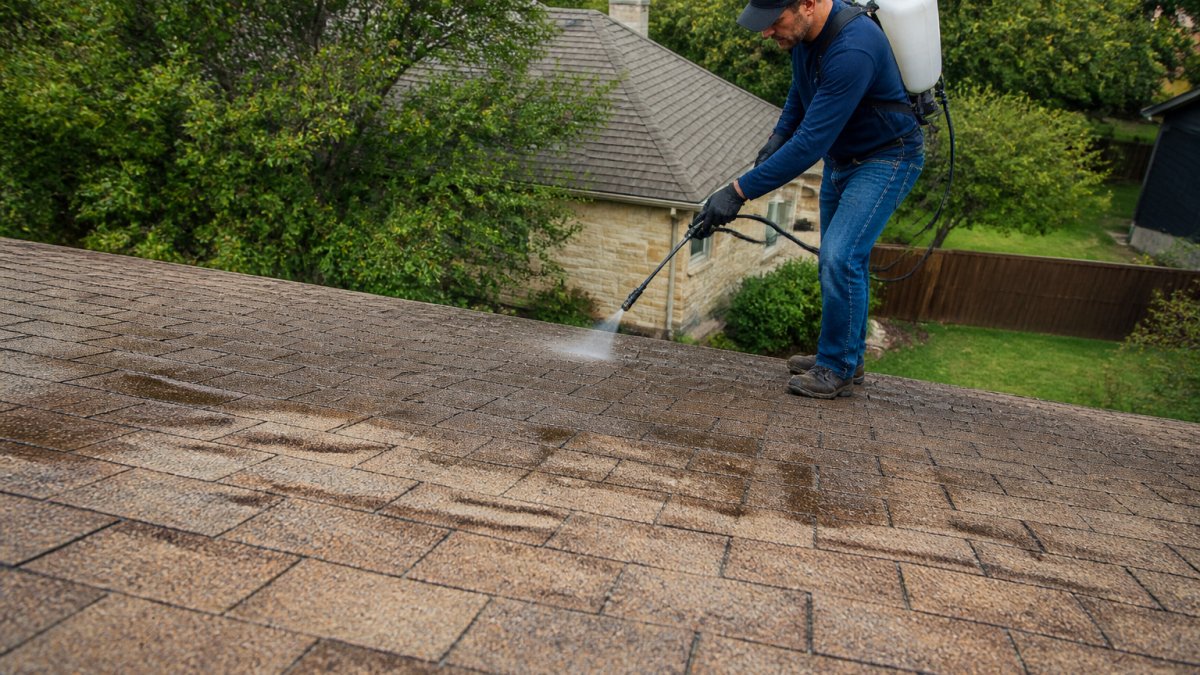
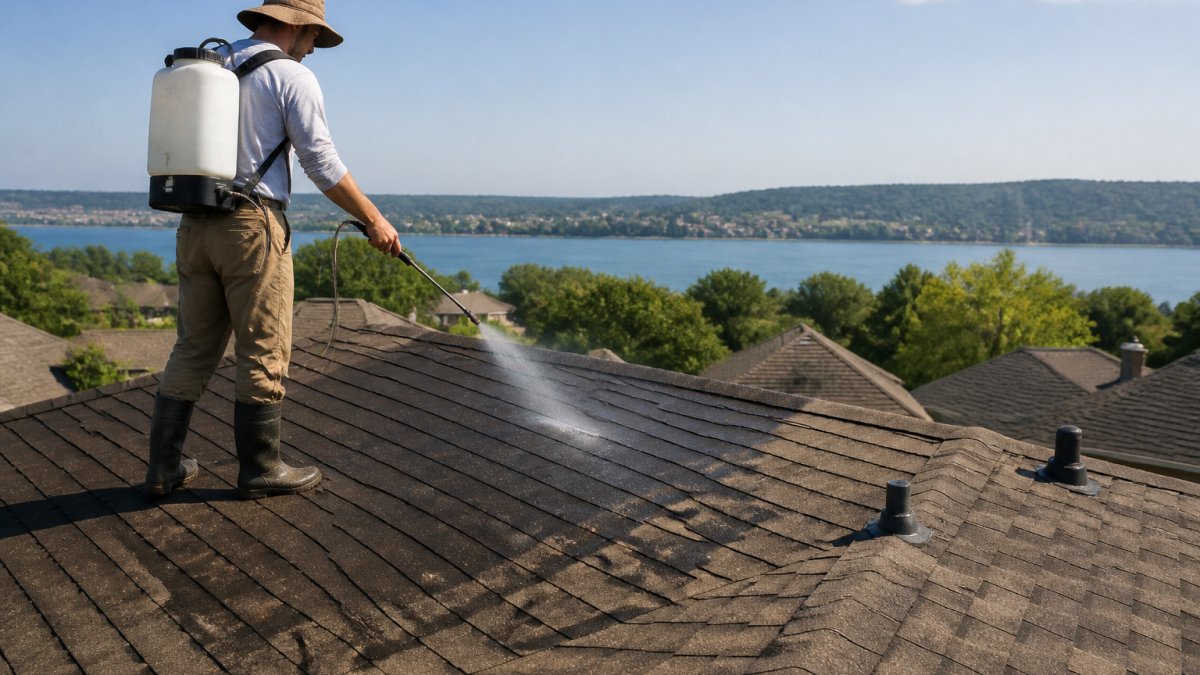
Roof rejuvenation for asphalt shingles is a spray treatment that adds oils back into aged shingles to restore flexibility and slow deterioration. It is not a coating or a paint; the goal is to make stiff, dried-out shingles pliable again before they crack.
How the Treatment Works
Asphalt shingles are a fiberglass or organic mat saturated and coated with asphalt, then surfaced with granules. Over years of sun and heat, the asphalt loses its lighter oils, stiffens, and shrinks, lifting the edges into a curl.
Application is typically a low-pressure spray across the roof plane, followed by a cure period. It is a surface treatment: it does not reach the deck, the underlayment, or the fasteners, and it does not replace missing granules.
What It Can Do
- Restore some flexibility to shingles that are dry but not yet brittle
- Slow granule loss on shingles that still have a granule layer
- Improve appearance on faded, chalky roof shingles
What It Can't Do
- Fix poor installation, improper nailing, or a failed adhesive seal
- Solve heat buildup from bad attic ventilation
- Repair water intrusion, leaks, or damaged roof decking
The treatment only works when the curl comes from age-related drying, not from a defect. That is why an honest roof inspection comes before any spray.
The Evidence Base, and Its Limits
Rejuvenation is a real category, not a gimmick, but the evidence is thinner than sales materials suggest: manufacturers publish their own data, and independent field studies are limited. Most practitioners report treated roofs hold flexibility longer than untreated roofs of the same age, but results depend heavily on starting condition, climate, and attic ventilation. Treat any claim of a specific number of added years as an estimate, not a guarantee.
Which Shingles Qualify
A shingle is a reasonable candidate when:
- It still flexes when you lift an edge rather than snapping.
- Granules are thinning but the mat is not exposed.
- The curl is mild and widespread, consistent with age rather than a defect.
It is a poor candidate when the shingles are brittle, heavily granule-depleted, or damaged by installation or ventilation problems.
Warranty and Insurance Implications
Manufacturer warranties generally cover defects, not normal wear, and many require professional installation and proper ventilation to remain valid. Applying a third-party treatment to a roof still under a material warranty can, depending on the manufacturer's terms, be treated as an alteration, read the warranty before you spray. On insurance, rejuvenation is maintenance, not storm damage, so it is not a covered claim, and a treated roof does not reset its age for underwriting or disclosure.
Warranty, Insurance, and Code Considerations
Warranty and insurance rules can change the math on restoration. Most asphalt shingle manufacturer warranties cover defects, not normal wear, and many require professional installation and proper ventilation to stay valid.
Homeowners insurance generally covers sudden damage, like wind or hail, not gradual deterioration (Which disasters are covered by homeowners insurance?). Curling from age is usually excluded.
Building code matters too. Local codes set requirements for roof covering replacement, underlayment, and ventilation.
Conclusion
The real challenge with aging roofs is knowing when to treat and when to replace, because guessing wrong costs money either way. ATX RENEWED ROOFS offers a plant-based, eco-friendly rejuvenation spray that restores oils to aging asphalt shingles, along with transparent, no-pressure assessments that tell you honestly whether your roof is a candidate. We also help you cut landfill waste by extending the life of the roof you already have.
Frequently Asked Questions
Can old curling shingles really be restored, or is replacement the only option?
Some curling shingles can be restored, but it depends on the cause and extent. If curling comes from lost flexibility and dried-out asphalt, a roof rejuvenation treatment can restore oils and extend the shingles' usable life. If the curling comes from poor installation, trapped moisture, or widespread granule loss, repair or replacement is the better call. A professional inspection should confirm which category your roof falls into before any treatment is applied.
What is the typical asphalt shingle lifespan, and does curling mean mine are finished?
Most asphalt shingles are rated for 20 to 30 years, though heat, sun exposure, and attic ventilation can shorten that. Curling is a sign of aging but not automatically a death sentence. Roofs in the 15-to-20-year range with mild curling and intact granules are often good candidates for restoration. Roofs past 25 years with brittle, broken shingles usually are not.
Does roof rejuvenation for asphalt shingles work on curling shingles?
Roof rejuvenation works best on shingles that are drying out but still structurally sound. The treatment restores flexibility and can slow further curling, but it cannot flatten shingles that have already lifted or reverse granule loss. Think of it as extending the life of a roof that still has years left, not as a fix for shingles that are already failing. An honest assessment should tell you which side of that line your roof is on.
When should curling shingles be replaced instead of repaired?
Replacement makes more sense when curling covers a large portion of the roof, shingles are brittle and cracking, granules are missing in patches, or you see leaks and soft decking. Repair or restoration fits when curling is isolated, the roof is under 20 years old, and the shingle mat is still intact. A roof shingle repair vs replacement decision should factor in roof age, extent of damage, and expected remaining service life.