 how-to
Extend Asphalt Shingle Life: A 2026 Guide
Table of Contents
- Understanding Asphalt Shingle Roof Lifespan
- Step 1: Perform an Asphalt Shingle Roof Inspection Checklist
- Step 2: How to Clean Asphalt Shingles Properly
- Step 3: Roof Rejuvenation for Asphalt Shingles
- Step 4: Repair Damaged or Missing Shingles
- Step 5: Trim Overhanging Branches and Improve Ventilation
- Create Your Maintenance Schedule to Extend Asphalt Shingle Life
- Frequently Asked Questions
Last Updated: October 9, 2026
Understanding Asphalt Shingle Roof Lifespan
An asphalt shingle roof typically lasts 15-20 years under normal conditions. But the actual lifespan depends on maintenance, climate exposure, and how well you catch problems early.
The key insight: your roof doesn't fail all at once. It degrades gradually. Granules wash away. Oils dry out. Shingles curl and crack. Each of these issues accelerates the next one.
Homeowners who inspect their roofs annually and address small problems often catch major failures before they become expensive. The difference between a roof that lasts 18 years and one that lasts 25 years often comes down to whether you're paying attention.
Weather exposure matters too. Heat cycles, UV rays, and freeze-thaw stress all age shingles faster. In harsh climates, roofs degrade quicker. But even in tough conditions, proper maintenance extends the functional lifespan by years.
Step 1: Perform an Asphalt Shingle Roof Inspection Checklist
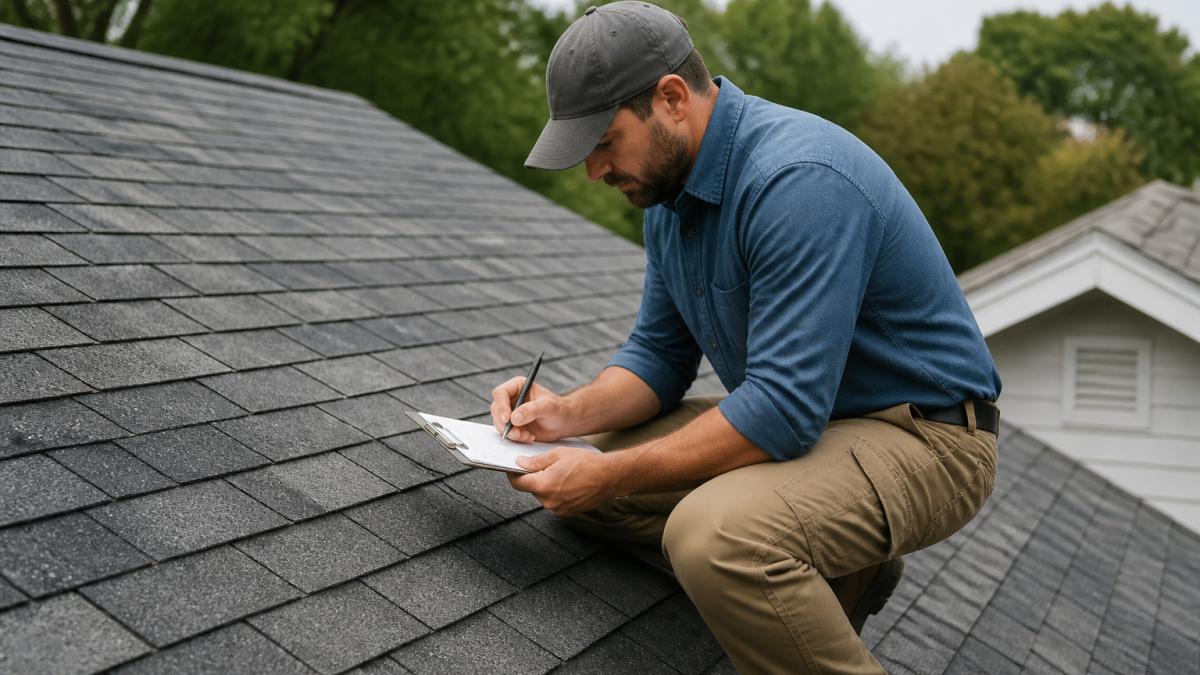
The foundation of extending asphalt shingle life is knowing what you're working with. A thorough roof inspection tells you exactly what needs attention. You don't need a professional for a basic inspection, but you do need to be systematic and safe.
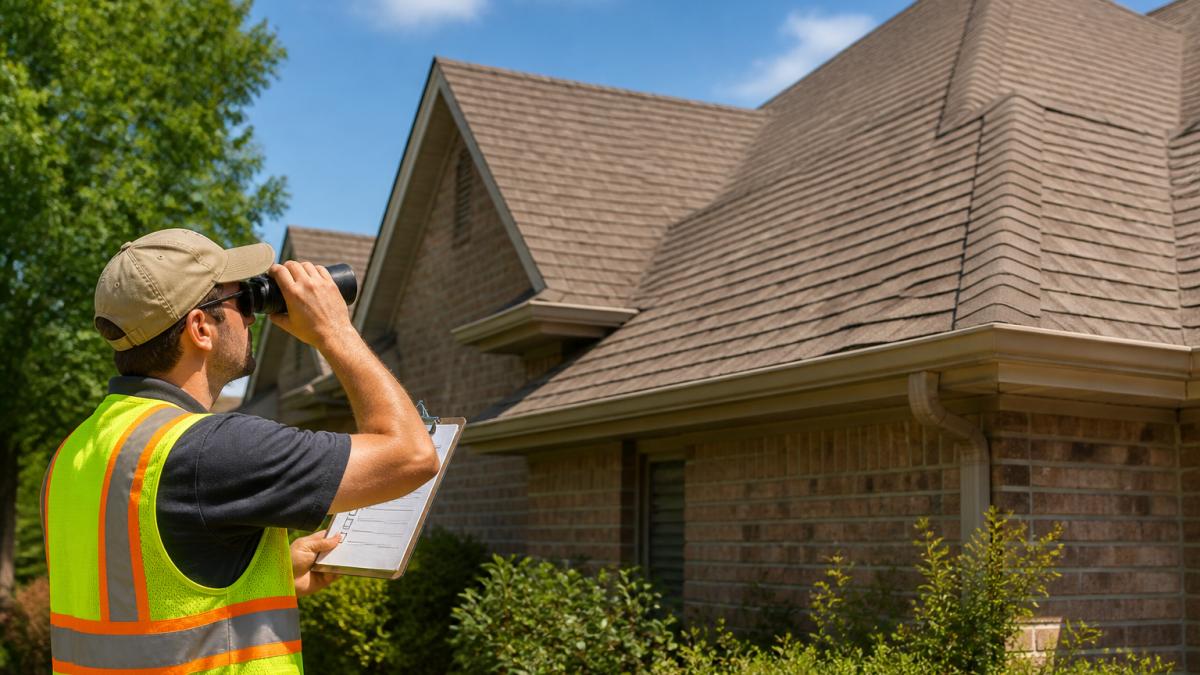
Start from the ground with binoculars. Look for these signs of wear:
- Missing or damaged shingles
- Curling or lifting shingle edges
- Visible granule loss (bare spots that look darker)
- Moss, algae, or lichen growth
- Sagging areas or visible dips
- Flashing gaps around chimneys or vents
- Gutter debris or shingle fragments
Document everything with photos. This creates a record of your roof's condition and helps you track changes over time.
Safety First: Inspection Best Practices
If you do climb onto your roof, follow these rules. Falls are the leading cause of serious home injuries.
Inspect only on clear, dry days. Wet shingles are slippery. Wear rubber-soled shoes with good grip. Use a sturdy ladder secured at the base. Better yet, stay on the ground and use binoculars or a drone with a camera.
Never walk near the roof's edge. Stay in the center and move slowly. If your roof has a steep pitch, hire a professional. It's not worth the risk.
Step 2: How to Clean Asphalt Shingles Properly
Debris and organic growth trap moisture against your shingles. Moisture accelerates deterioration. Cleaning removes these threats and extends asphalt shingle life.
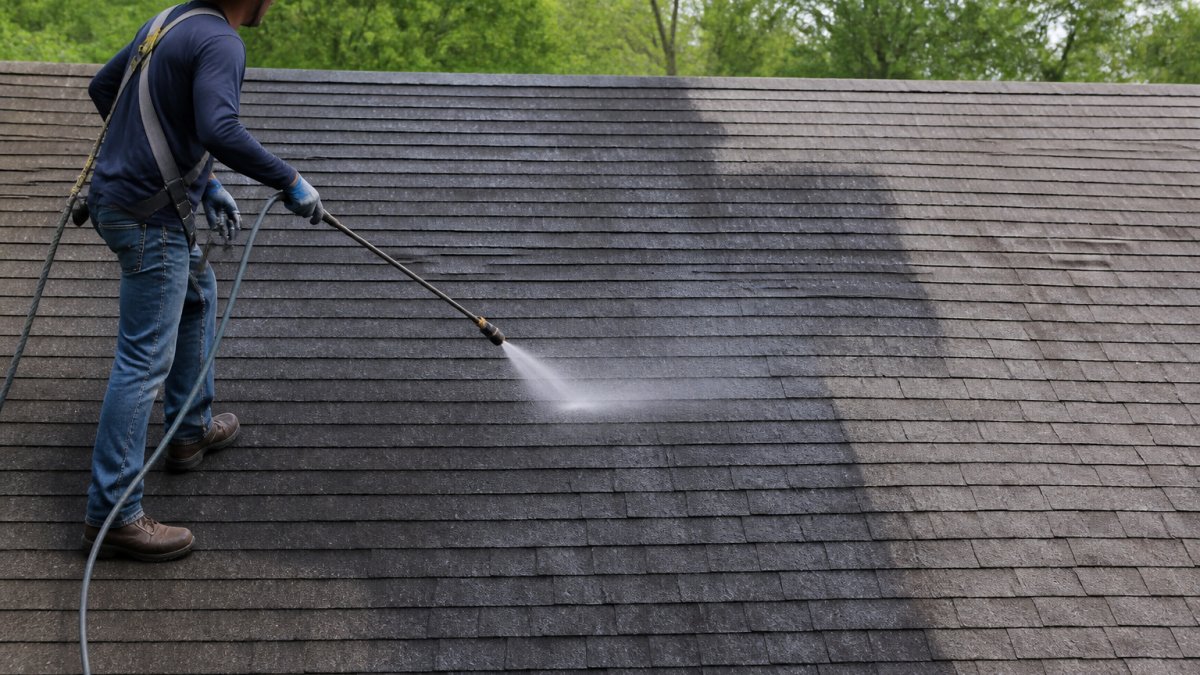
The right cleaning method matters. Pressure washing damages shingles by blasting away granules and forcing water under the shingle edges. Avoid it. Instead, use gentle methods that clean without harm.
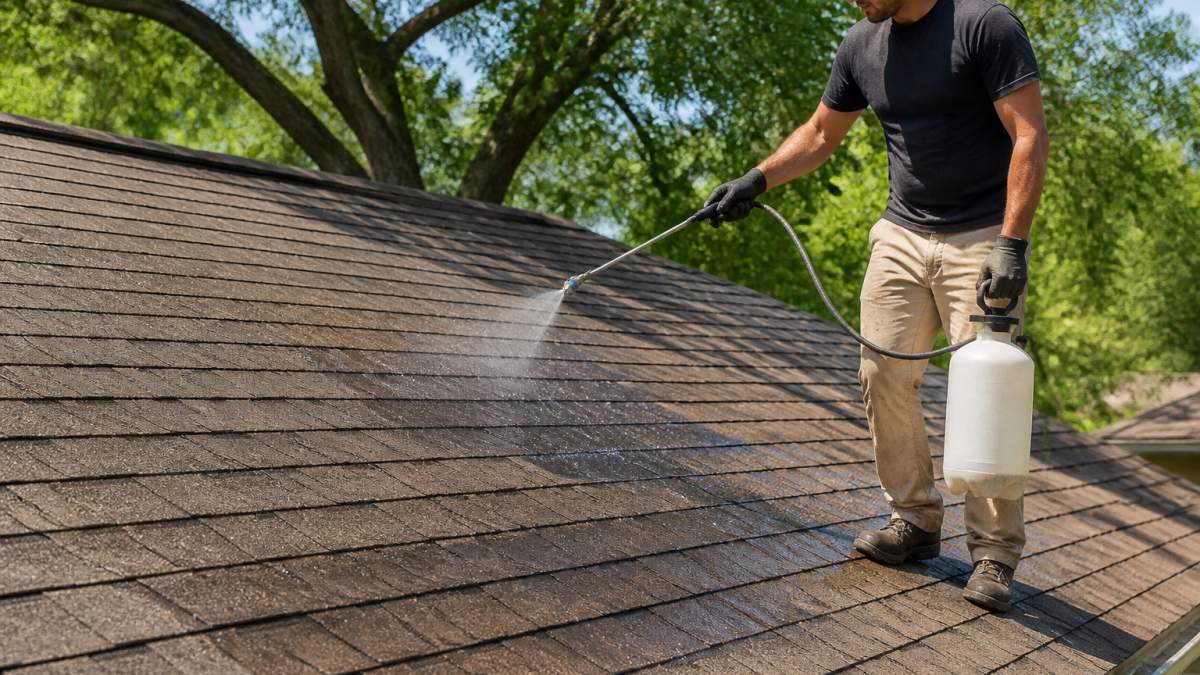
For light debris and dust, a soft-bristled roof brush works well. For moss and algae, a mixture of water and mild detergent applied with a low-pressure sprayer is effective. Let the solution sit for 15-20 minutes, then rinse gently with low pressure.
Some homeowners use zinc or copper strips along the roof ridge. These metals naturally inhibit moss and algae growth as they oxidize. This is a passive, long-term approach that requires no ongoing effort.
Removing Debris, Moss, and Algae
Leaves, branches, and dirt accumulate in valleys and along gutters. This debris holds moisture and promotes decay. Clear it regularly, especially in fall.
Moss growth indicates moisture retention. It's common in shaded areas or humid climates. Moss doesn't directly damage shingles, but the moisture it traps does. Remove moss early before it spreads.
Algae appears as dark streaks or patches. Like moss, it signals moisture problems. Both can be removed with gentle cleaning, but the underlying moisture issue must be addressed to prevent regrowth.
For stubborn moss or algae, a mixture of one part bleach to three parts water, applied with a pump sprayer, works well. Spray, wait 15 minutes, then rinse gently. Never use a pressure washer above 50 PSI, you'll damage the shingles.
Gutter Maintenance and Roof Drainage
Gutters are part of your roof system. Clogged gutters cause water to back up under shingles, leading to leaks and rot. Clean gutters at least twice yearly, in spring and fall.
Remove leaves, dirt, and debris by hand or with a gutter scoop. Flush the gutter with water to clear remaining particles. Check that water flows freely toward downspouts.
Ensure downspouts extend at least 4-6 feet from your home's foundation. Water dumped near the house can cause foundation problems. Proper drainage protects both your roof and your home's structure.
Inspect flashing around chimneys, vents, and skylights. Flashing is where leaks often start. If flashing is loose, corroded, or has gaps, water penetrates the roof deck. Seal gaps with roofing cement or have a professional roofer repair it.
Step 3: Roof Rejuvenation for Asphalt Shingles
Asphalt shingles lose essential oils as they age. This loss causes them to become brittle, inflexible, and prone to cracking. Rejuvenation treatments restore these oils, bringing shingles back to life.
Roof rejuvenation is the process of applying a plant-based or mineral-based product to aged shingles to restore flexibility, color, and weather resistance. It's not a repair, it's a restoration. Think of it like conditioning leather to prevent cracking.
The treatment penetrates the shingle surface and replenishes lost oils. Shingles become more flexible, less likely to curl or crack. Color is often restored, improving curb appeal. Weather resistance improves, giving you better protection against rain and UV damage.
How Rejuvenation Restores Shingle Flexibility
Asphalt shingles are made of a fiberglass base coated with asphalt and mineral granules. The asphalt binder holds everything together and provides waterproofing. Over time, UV exposure and heat cycles break down this binder, causing it to become stiff and brittle.
When shingles lose flexibility, they crack under thermal stress. Temperature swings cause the shingle material to expand and contract. Brittle shingles can't flex, so they fracture instead. Once cracked, water enters, and decay accelerates.
Rejuvenation treatments restore the asphalt binder's flexibility. The product soaks into the shingle, softening the hardened asphalt. Shingles regain their ability to move with temperature changes. Cracking risk drops significantly.
The effect isn't permanent. Over time, oils are lost again. But a quality rejuvenation treatment can extend asphalt shingle life by 5-10 years, depending on climate and maintenance.
Rejuvenation vs. Replacement: When Each Makes Sense
Rejuvenation works best on roofs that are structurally sound but showing age. If shingles are curling, faded, and losing granules, but the roof isn't leaking and the deck is solid, rejuvenation can restore years of life.
Replacement is necessary when:
- The roof is actively leaking into the home
- Shingles are missing large patches or sections
- The roof deck is rotted or sagging
- The roof has reached 20+ years and rejuvenation won't buy enough time
- Damage is widespread across more than 30% of the roof
Rejuvenation doesn't work on severely damaged roofs. If the deck is compromised or leaks are active, the underlying problem must be fixed first.
The decision comes down to cost and timeline. Rejuvenation costs a fraction of replacement. If your roof has 5-10 good years left in it, rejuvenation buys time. If it's nearly at the end of its life, replacement is the right choice.
At ATX RENEWED ROOFS, we assess your roof honestly. If rejuvenation will help, we say so. If replacement is necessary, we tell you that too. We don't push treatments that won't deliver results.
Step 4: Repair Damaged or Missing Shingles
Small damage caught early prevents big problems. A single missing shingle exposes the roof deck to water. A cracked shingle can split further and allow leaks.
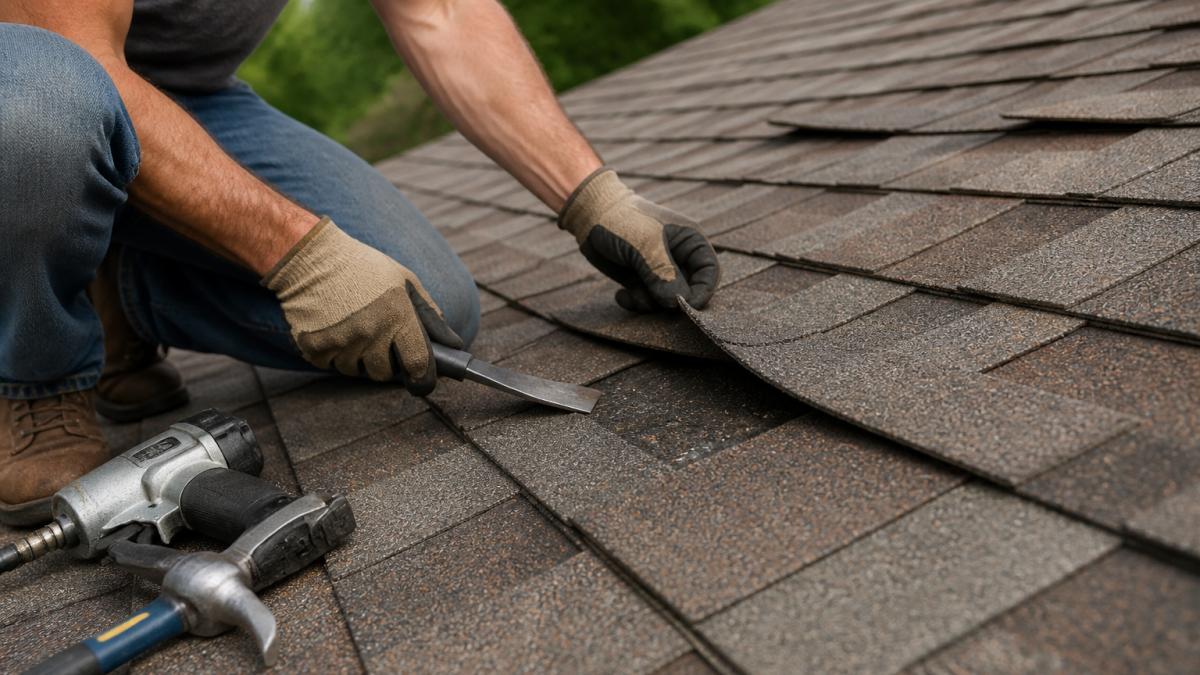
Missing shingles are straightforward to replace. Lift the shingles above the damaged one and remove the nails holding it in place.
Curled shingles can sometimes be flattened and resealed. Lift the curl gently and apply roofing cement under the shingle edge. Press it down and hold it until the cement sets.
Cracked shingles should be replaced if the crack is large or if multiple cracks are present. Small cracks can be sealed with roofing cement, but replacement is more reliable.
Granule loss is normal aging, not an emergency. But if you see bare asphalt showing through on multiple shingles, your roof is aging fast.
Step 5: Trim Overhanging Branches and Improve Ventilation
Tree branches hanging over your roof drop leaves and debris directly onto it. They also shade the roof, keeping it moist and promoting moss growth. Trim branches back at least 6 feet from the roof edge.
Overhanging branches also pose a risk during storms. High winds can snap branches and damage the roof. Removing this hazard protects your roof and your home.
Attic ventilation is equally important. Proper ventilation removes heat and moisture that build up under the roof. Moisture accelerates shingle deterioration and promotes mold growth in the attic.
Check that your attic has both intake vents (soffit vents) and exhaust vents (ridge vents or gable vents). Air should flow from the soffit up through the attic and out the ridge.
Create Your Maintenance Schedule to Extend Asphalt Shingle Life
Consistency beats occasional effort. A simple schedule keeps your roof in good condition year-round.
| Season | Task | Frequency |
|---|---|---|
| Spring | Inspect for winter damage, clean gutters | Once yearly |
| Summer | Check flashing, trim branches | Once yearly |
| Fall | Clear leaves, clean gutters, inspect deck | Once yearly |
| Winter | Monitor for ice dams, check attic ventilation | Once yearly |
| As-needed | Repair damaged shingles, seal cracks | When observed |
Spring inspection catches winter damage early. Look for missing shingles, lifted edges, and water stains in the attic. Summer is the time to address flashing issues and trim vegetation.
Document each inspection with photos. Over time, you'll see patterns, areas that wear faster, recurring problems, seasonal issues. This record helps you prioritize repairs and plan for rejuvenation or replacement.
Extending asphalt shingle life requires attention, but it's not complicated. Regular inspection, gentle cleaning, timely repairs, and rejuvenation treatments can add years to your roof's functional life.
ATX RENEWED ROOFS specializes in honest roof assessment and rejuvenation treatment. We never push unnecessary treatments. Get a free estimate today and find out exactly what your roof needs to last years longer.
Frequently Asked Questions
How long can roof rejuvenation extend the life of asphalt shingles?
Roof rejuvenation for asphalt shingles can add 3-5 years to your roof's functional lifespan by restoring essential oils and flexibility to aging shingles. The exact duration depends on your climate, roof exposure, and maintenance routine. Rejuvenation works best on roofs showing early to moderate wear, curling, granule loss, and fading. If your roof is already near the end of its life or has structural damage, rejuvenation may extend it only 1-2 years before replacement becomes necessary.
What should I look for when inspecting asphalt shingles myself?
Use an asphalt shingle roof inspection checklist to identify curling, cracking, missing granules, bare spots, and moss or algae growth. Check for missing or lifted shingles, damaged flashing around vents and chimneys, and signs of water intrusion in your attic. Look for soft spots in the roof deck, which indicate water damage. Document condition with photos. If you're uncomfortable on a ladder or roof, hire a professional, safety is critical. Inspect twice yearly, especially after storms.
Is it safe to pressure wash asphalt shingles?
Pressure washing can damage asphalt shingles by forcing water under them and loosening granules. Instead, use low-pressure cleaning with a soft brush and mild detergent, or hire a professional who knows how to clean asphalt shingles without causing damage. For moss and algae, copper strips or zinc-based treatments are safer alternatives. Always prioritize roof safety, never climb a wet roof or use equipment that increases slip risk.
When should I replace my roof instead of extending its life?
Replace your asphalt shingle roof when it reaches 20-25 years old, shows widespread structural damage, has multiple leaks despite repairs, or extensive curling and granule loss across more than 30% of the surface. If repair costs exceed 50% of replacement cost, replacement is more cost-effective. Manufacturer warranties typically expire at 20-25 years. A professional roofer can assess whether rejuvenation or repair will extend life adequately or if replacement is necessary.