 how-to
Eco-Friendly Roof Shingle Restoration: A 2026 Guide
Table of Contents
- What Eco-Friendly Roof Shingle Restoration Actually Is
- How Plant-Based Roof Rejuvenation Treatments Work
- Roof Rejuvenation vs. Replacement: Which Makes Sense for Your Home
- Signs a Roof Needs Replacement Instead of Restoration
- How Long Does Roof Rejuvenation Last
- Roof Shingle Restoration Cost vs. Full Replacement
- DIY vs. Professional Application: What You Need to Know
- Environmental Impact and Post-Treatment Care
- Frequently Asked Questions
Last Updated: October 5, 2026
What Eco-Friendly Roof Shingle Restoration Actually Is
Eco-friendly roof shingle restoration breathes new life into aging asphalt shingles by restoring essential oils and flexibility without tearing off your entire roof.
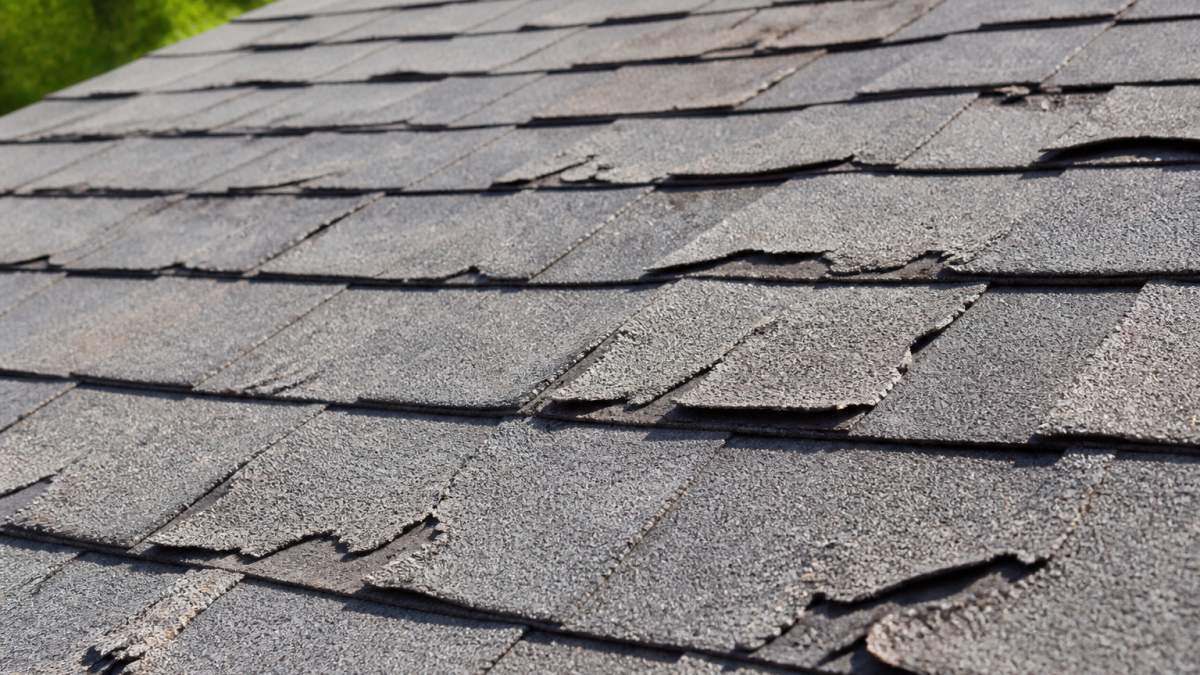
Aging shingles become brittle and lose the ability to flex with temperature changes, leading to cracking, curling, and accelerated wear.
The restoration process is straightforward:
- Inspect the roof for damage and determine eligibility
- Clean the roof surface to remove debris and algae
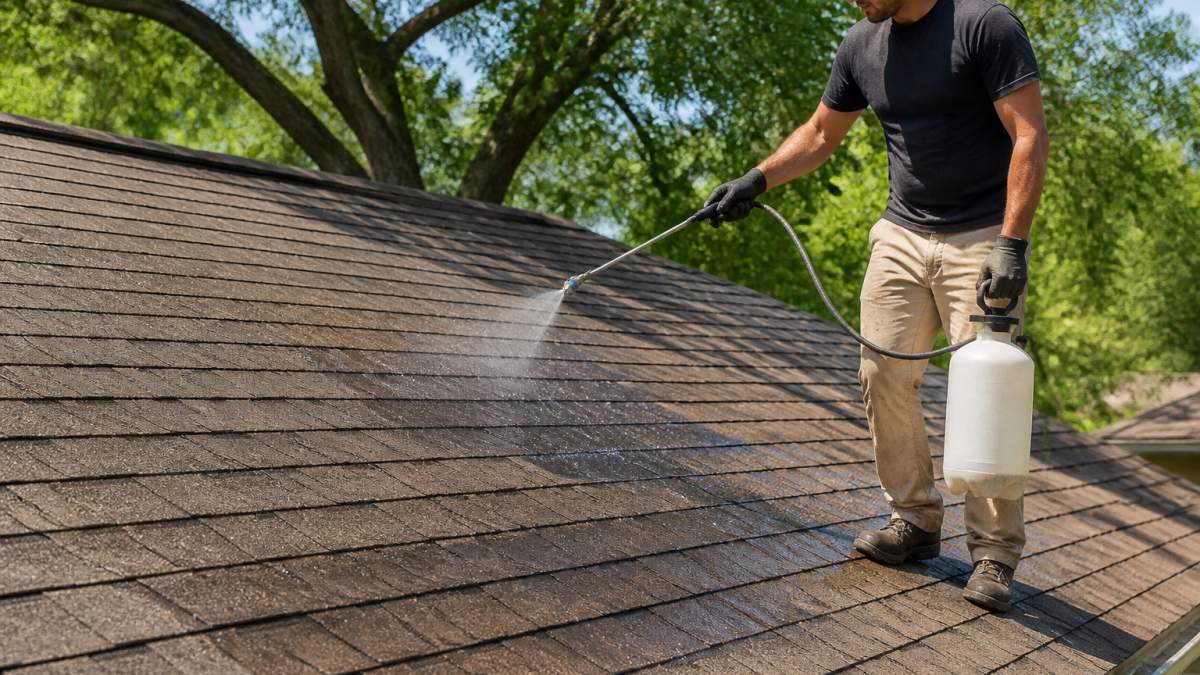
- Apply the eco-friendly treatment spray evenly across all shingles
- Allow time for the treatment to cure and penetrate
This approach avoids the environmental cost of replacement: tearing off and disposing of old shingles generates significant landfill waste. Restoration keeps existing materials in use longer, reducing that burden while saving homeowners money.
How Plant-Based Roof Rejuvenation Treatments Work
Plant-based treatments mimic the natural oils asphalt shingles lose over time to sun exposure, heat cycling, and weather stress, the oils that give new shingles their flexibility and protective properties.
The formula includes bio-based components derived from plant materials.
Here's what happens at the shingle level:
- The treatment penetrates the outer layer of the asphalt
- Oils redistribute throughout the shingle material
- Flexibility returns, reducing the risk of splits and breaks
- Color restoration occurs as the treatment brings back the shingle's original appearance
- Weather resistance improves through restored protective properties
The environmental benefit comes from plant-derived ingredients instead of harsh petrochemicals: these bio-based treatments break down naturally and don't introduce synthetic compounds into the environment.
Treatment typically takes a few days to fully cure, during which the spray bonds with the shingle material and the oils distribute throughout. Once cured, treated shingles perform like much newer material.
Roof Rejuvenation vs. Replacement: Which Makes Sense for Your Home
The choice between rejuvenation and replacement depends on your roof's condition and your timeline. Not every roof is a candidate for restoration, and knowing the difference prevents costly mistakes.
Rejuvenation makes sense when:
- Your roof is 12-20 years old with moderate wear
- Shingles are faded and losing flexibility but not severely damaged
- You want to extend roof life by several years at a fraction of replacement cost
- You're environmentally conscious and want to avoid landfill waste
- Your budget is tight and you need to defer major expenses
Replacement is necessary when:
- Shingles have severe curling, cupping, or widespread missing granules
- There's active leaking or water damage inside the home
- Structural damage is visible or suspected
- The roof is beyond 25 years old
- Multiple shingles are cracked, torn, or deteriorating rapidly
The financial difference is substantial: rejuvenation costs a fraction of full replacement. But it is not a permanent fix, it extends your roof's life by a realistic timeframe, giving you time to plan and budget for eventual replacement.
Think of rejuvenation as a strategic delay: you're buying time. It suits homeowners not ready for replacement costs, those staying only a few more years, and those committed to reducing environmental waste.
Signs a Roof Needs Replacement Instead of Restoration
Some roofs have deteriorated beyond what restoration can address. Recognizing these signs prevents wasting money on a treatment that won't solve the problem.
Replace your roof if you see:
- Widespread missing shingles or large sections of exposed underlayment
- Severe curling where shingles are cupped or folded upward significantly
- Active leaks inside the home or water stains on ceilings and walls
- Sagging or structural damage visible from the ground
- Granule loss so severe that bare asphalt is exposed across large areas
- Moss or algae growth that indicates moisture retention and decay
- Shingles that are brittle enough to break when you touch them
Rejuvenation works on shingles that are faded and losing flexibility but still structurally sound; once structural integrity is compromised, treatment won't restore it. A professional inspection is the only reliable way to determine which category your roof falls into.
At ATX RENEWED ROOFS, we provide honest assessments: if your roof needs replacement, we'll tell you; if rejuvenation can extend its life, we'll explain what to expect. We don't push treatments on roofs that need replacement.
How Long Does Roof Rejuvenation Last
Every homeowner asks this, and most articles answer with a single number and no context.
Where the numbers come from
Manufacturers publish service-life claims, typically the most optimistic end of the range.
What actually drives the outcome
- Shingle age at treatment: A roof treated at year 12 responds very differently than one treated at year 22. The shingle mat itself keeps aging regardless of oil content.
- Climate and thermal cycling: Roofs that see large day-night temperature swings and repeated freeze-thaw cycles stress shingles faster than roofs in stable, mild climates.
- Sun exposure: South- and west-facing slopes in hot regions age faster and tend to show shorter treatment life.
- Application quality: Even coverage and correct penetration matter. A rushed or uneven spray produces uneven results.
- Ventilation and moisture: Poor attic ventilation traps heat and moisture, accelerating deterioration from underneath, where no surface treatment can help.
- Post-treatment maintenance: Clean gutters, cleared debris, and prompt repair of small issues all extend the window.
How to judge a claim before you buy
Ask the contractor three questions: What is the expected service life in writing? What conditions void that expectation? What happens if the roof fails earlier?
Realistic expectations, in plain terms
If your roof is a good candidate and the application is done well, expect a meaningful but finite extension of service life, not a second full roof lifespan.
Roof Shingle Restoration Cost vs. Full Replacement
What you are actually paying for with each option
A rejuvenation treatment is a service, not a product: you pay for inspection, surface preparation, the treatment, and even application, no material removal, dumpster, or disposal fee.
Because of that difference, treatment costs a fraction of full replacement.
The lifecycle math most homeowners miss
Run the comparison over a 15-year window instead of a single transaction:
- Replace now: one large capital outlay, then roughly 20-25 years of service with minimal maintenance beyond occasional repairs.
- Treat now, replace later: a smaller outlay now, a realistic 3-5 year extension, then a full replacement when the roof finally reaches end of life. You pay for the treatment plus the eventual replacement, but the replacement dollars are spent years later, and you avoid financing or draining savings today.
- Treat, then treat again: possible on some roofs, but each cycle delivers diminishing returns because the shingle mat itself keeps aging. Do not assume you can stack treatments indefinitely.
Add the costs people forget: disposal fees on tear-off, temporary patching if a leak appears, and the disruption of a multi-day project.
Maintenance costs on each path
A treated roof still needs gutter cleaning, debris removal, and prompt repair of flashing or penetration issues; a new roof needs the same, just less urgently.
How to decide
Get an estimate for treatment and ask the contractor to state the expected service life in writing. That number turns the comparison from marketing into math.
Asphalt shingle roof replacement cost data
DIY vs. Professional Application: What You Need to Know
Whether to apply rejuvenation treatment yourself or hire a professional comes down to safety, effectiveness, and warranty protection.
Professional application offers advantages:
- Proper equipment and spray technique ensure even coverage
- Professional inspection identifies roofs not suitable for treatment
- Warranty protection on the work and materials
- Insurance coverage if accidents occur
- Faster completion with less disruption
DIY application risks include:
- Roof falls and serious injuries from working at height
- Uneven application that reduces treatment effectiveness
- Missed spots or improper spray technique
- No warranty if results disappoint
- Potential property damage from improper equipment use
- Voided manufacturer warranties on some treatments
Roof work is inherently dangerous; working at height without proper equipment and training causes serious injuries every year. Professional roofers have safety training, equipment, and insurance to cover accidents.
Application technique matters: the spray must penetrate evenly across all shingle surfaces. Uneven application leaves some shingles fully treated and others partially covered, reducing overall effectiveness.
At ATX RENEWED ROOFS, we handle application professionally.
Environmental Impact and Post-Treatment Care
Roof rejuvenation delivers genuine environmental benefits compared to full replacement. Understanding them and maintaining your treated roof maximizes both the environmental and financial return.
Environmental advantages of rejuvenation:
- Keeps existing materials in use longer, reducing landfill waste
- Eliminates the energy cost of manufacturing new shingles
- Reduces transportation emissions from shipping replacement materials
- Uses plant-based treatments instead of harsh petrochemicals
- Avoids the environmental impact of roof removal and disposal
Roofing waste is a significant portion of construction debris sent to landfills annually. Extending roof life through rejuvenation directly reduces that burden.
Plant-based formulas break down naturally without introducing synthetic compounds into soil and water systems, aligning with sustainable living principles while delivering practical results.
Post-treatment care extends both lifespan and environmental benefit:
- Clean gutters regularly to prevent water backup and debris accumulation
- Remove leaves, branches, and other debris from the roof surface
- Address small problems quickly before they become major issues
- Avoid walking on the roof unnecessarily
- Monitor for signs of damage after storms
Proper maintenance extends the life of your rejuvenated roof. A well-maintained treated roof can perform for the full expected lifespan. Neglected roofs deteriorate faster regardless of treatment.
Frequently Asked Questions
Does roof rejuvenation really work, or is it just a temporary fix?
Plant-based roof rejuvenation treatments restore essential oils that aging asphalt shingles lose over time. This restores flexibility, improves weather resistance, and can extend roof life by several years. Results depend on your roof's current condition and how much deterioration has already occurred. Severely damaged roofs with extensive curling, missing granules, or structural issues may not benefit as much as moderately aged roofs. Realistic expectations matter: rejuvenation is not a permanent solution, but a proven way to add years of functional life to otherwise sound roofs.
How long does roof rejuvenation treatment last?
The lifespan of roof rejuvenation depends on your climate, roof exposure, and maintenance. Most homeowners can expect several additional years of roof life after treatment. Regular inspections and maintenance help maximize the treatment's effectiveness. Environmental factors like hail storms or extreme weather can shorten the treatment window, so monitoring your roof's condition annually is important.
What is the difference between roof rejuvenation and full roof replacement?
Roof rejuvenation restores aging shingles by replenishing lost oils and improving flexibility, extending your roof's life without removing it. Full replacement removes all existing shingles and installs a new roof system. Rejuvenation costs significantly less, produces less landfill waste, and works well for roofs in moderate condition. Replacement is necessary when structural damage, extensive missing shingles, or widespread deterioration exists. Rejuvenation is an eco-friendly middle ground that delays replacement and reduces environmental impact, while replacement offers a fresh start and full warranty protection.
Is my roof too far gone for rejuvenation treatment?
Roofs with moderate aging, fading color, minor curling, and some granule loss, are ideal candidates for rejuvenation. Roofs showing severe curling, large missing sections, visible rot, leaks, or structural damage typically need replacement instead. A professional inspection can determine whether your roof's remaining structural integrity supports rejuvenation or requires full replacement. Treating a roof that's already failed will not restore it; rejuvenation works best as a preventive measure on aging but still-sound roofs. Getting an honest assessment before treatment ensures you choose the right solution for your home.
Extending the life of your aging roof is smarter than rushing into expensive replacement. The right choice depends on your roof's current condition and your budget situation. At ATX RENEWED ROOFS, we provide honest assessments and transparent pricing to help you make the best decision for your home. Get a free estimate today and discover whether rejuvenation can extend your roof's life while protecting your wallet and the environment.