 How-to
How to Make an Old Roof Look New Without Replacing It
Last Updated: November 22, 2026
Quick Summary
You can make an old roof look new by inspecting it first, then gently cleaning dirt, moss, and algae, repairing shingles, flashing, and underlayment, and applying a roof rejuvenation spray that restores oils to aging asphalt shingles. Rejuvenation brings back flexibility and color without a full tear-off, but it only suits a structurally sound old roof with no active leaks.
- Inspect before touching anything to tell surface wear from structural damage.
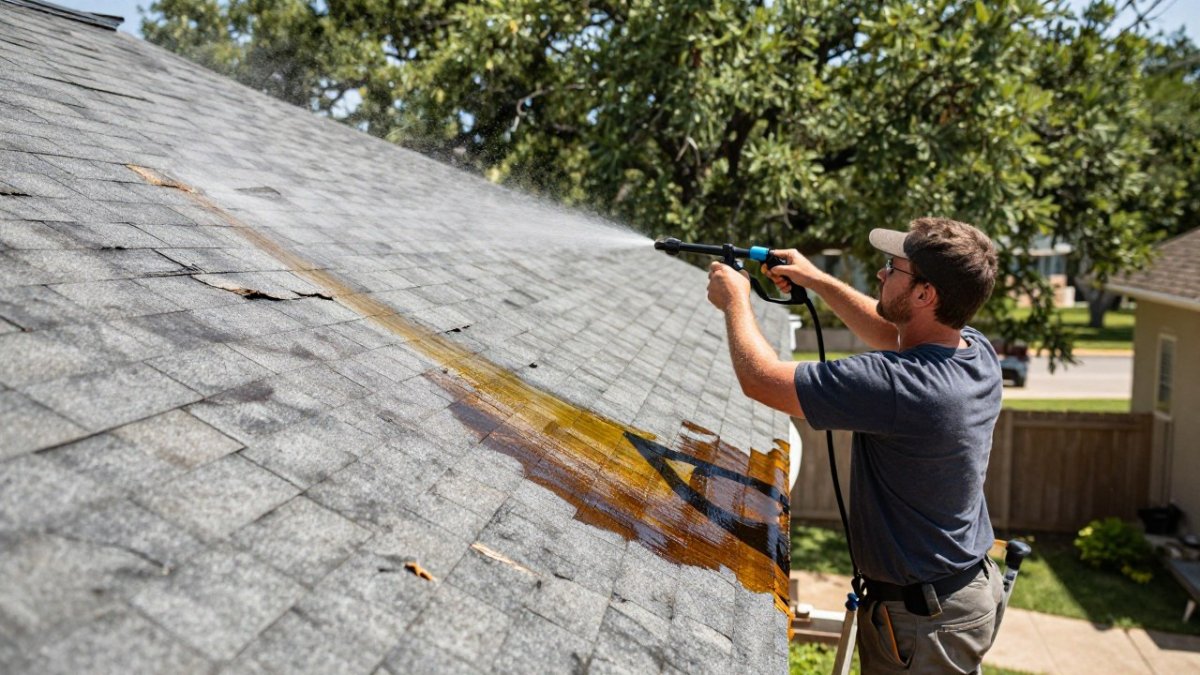
- Never pressure wash asphalt, tile, or wood roofs; it strips granules and cracks material.
- Repairs come before coatings so a treatment doesn't seal in problems.
- Rejuvenation is a plant-based spray that restores oils and flexibility to shingles.
- Choose replacement over rejuvenation when there is rot, sagging, or repeated leaks.
Table of Contents
- Start With a Roof Inspection Before You Clean or Repair
- Clean Dirt, Moss, and Algae Without Damaging the Shingles
- Repair Shingles, Flashing, and Underlayment Before You Treat
- What a Roof Rejuvenation Treatment Does for Asphalt Shingles
- Roof Rejuvenation Cost Compared to a Full Replacement
- How Long Roof Rejuvenation Lasts and What Affects It
- Roof Replacement Versus Rejuvenation: How to Decide
- Stay Safe If You Plan to Do Any Work Yourself
- Frequently Asked Questions
Start With a Roof Inspection Before You Clean or Repair
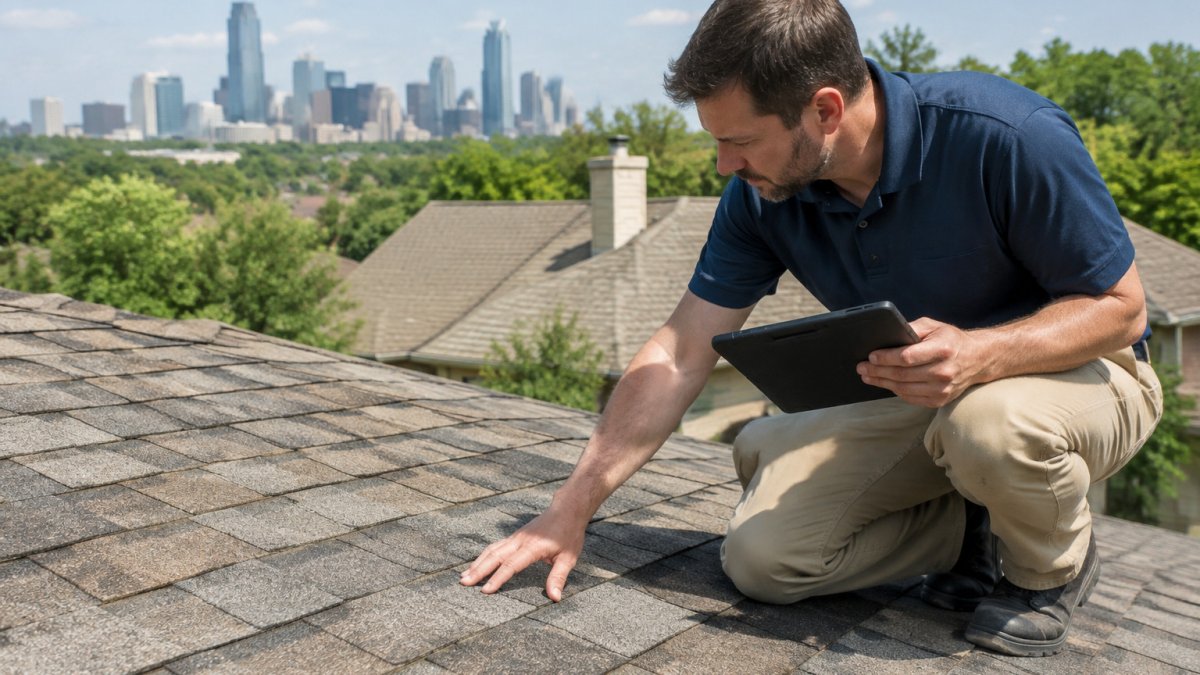
An old roof can look tired long before it fails. The trick to making it look new again is knowing exactly what you're working with first. The same advice applies to every roof: inspect before you touch anything. A proper inspection tells you whether you're dealing with surface wear or structural damage.
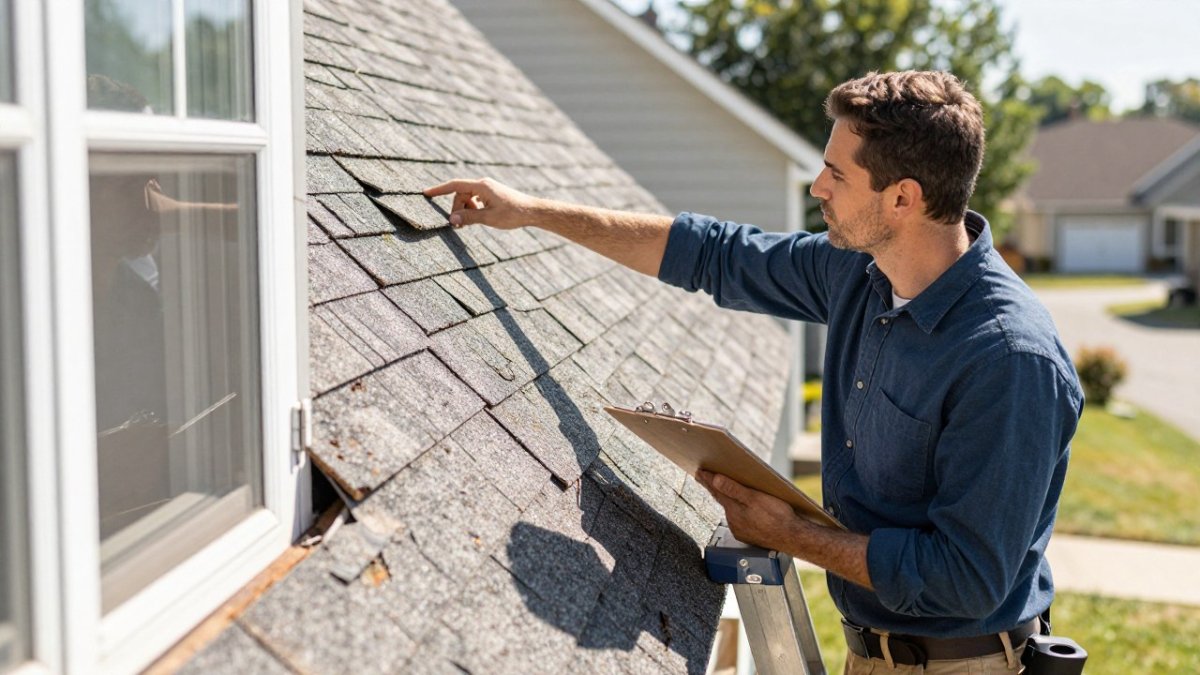
What an Inspector Checks on an Aging Roof
An inspector looks at more than the shingles you can see from the driveway. The checklist matters:
- Shingle condition: curling, cracking, missing granules, and bald spots
- Flashing: rust, gaps, and loose seals around vents and chimneys
- Underlayment: soft spots and moisture that signal hidden damage
- Decking: sagging or rot beneath the surface
- Age and layers: how many old roofing layers sit on the deck
The U.S. Federal Emergency Management Agency roof inspection guidance notes that catching these issues early prevents small problems from becoming water damage. If you want a full walkthrough of the process, our guide on how to get a roof inspection covers the seven steps and what inspectors look for.
Clean Dirt, Moss, and Algae Without Damaging the Shingles
Cleaning is the fastest way to make an old roof look new, but the method has to match the material. Moss and algae hold moisture against the surface, and that trapped water speeds up deterioration and eats away at weather resistance. Remove the growth gently and you restore appearance without harming the roof.
Start with the same first step on every roof: clear debris from valleys and gutters with a soft brush or leaf blower, working from the top down so you don't push grit under the edges. After that, the material decides the rest.
Asphalt Shingles
Apply a moss and algae treatment made for asphalt shingles, let it sit for the dwell time on the label, then rinse with low pressure from the top down. Repeat on stubborn spots after a few days. Never scrub hard and never scrape, the granules that protect asphalt shingles come loose easily on an old roof.
Watch out: many asphalt shingle warranties exclude damage from pressure washing or from cleaners not approved by the manufacturer, so check the warranty terms before you spray anything.
Metal Roofs
Metal roofs usually clean up with a soft-bristle brush, mild detergent, and a garden hose. Avoid abrasive pads and any cleaner containing chlorine bleach on bare metal, because it can pit the finish. On painted metal, use a cleaner the coating manufacturer approves. Walk on metal panels only where the manufacturer says it's safe, many panels dent or oil-can under foot traffic, and some finishes scratch from grit on shoes.
Tile Roofs
Clay and concrete tiles are brittle, especially on an older roof, so the safe approach is to stay off them where possible and clean from a ladder or with a long-handled soft brush. Never pressure wash tile: the spray can force water under the tiles and into the underlayment, and it can chip or crack weathered tile. Moss on tile is best removed gently by hand or with a soft brush, then treated with a product labeled for tile.
Wood Shingles and Shakes
Wood roofs need the gentlest handling of all. Use a soft brush and a cleaner formulated for wood, rinse with low pressure, and let the roof dry fully. Avoid harsh bleach solutions that can raise the grain, and never pressure wash wood shakes, the spray erodes the soft wood between the grain lines and shortens the roof's life. Many wood roof manufacturers and preservative treaters publish their own cleaning guidance, and following it protects both the roof and any warranty.
Runoff and Plants
Whatever the material, keep cleaners away from plants, gutters, and downspouts, and rinse runoff thoroughly. Divert or capture rinse water where you can, and check the product label for disposal instructions. Cleaning can improve an old roof's appearance, but it does not restore flexibility or add service life. That's a separate job, covered below.
Repair Shingles, Flashing, and Underlayment Before You Treat
Any treatment works best on a sound surface, so repairs come before coatings. Fix the weak points first:
- Replace damaged shingles that are curled, cracked, or missing
- Repair rusty flashing around chimneys, vents, and the roof edge
- Check the underlayment for tears and moisture traps
- Seal gaps where water can get in
Repairing small problems early is generally far less costly than the water damage that follows neglect. Skipping repairs means a protective coating seals in a problem instead of sealing it out.
What a Roof Rejuvenation Treatment Does for Asphalt Shingles
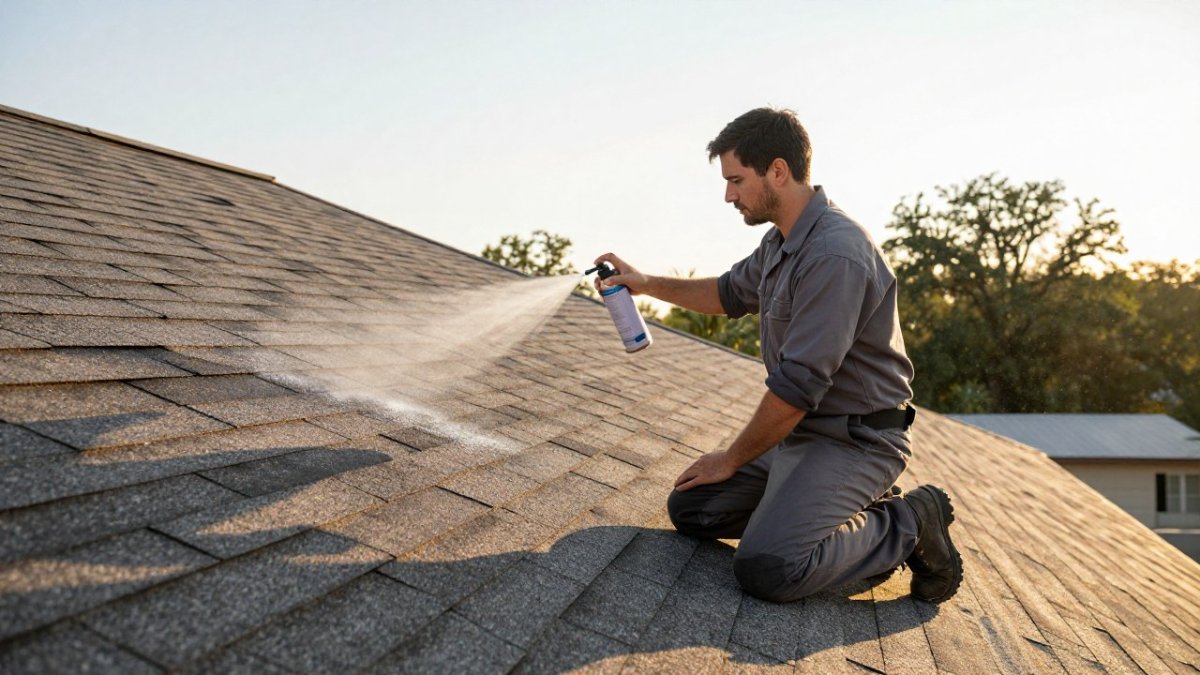
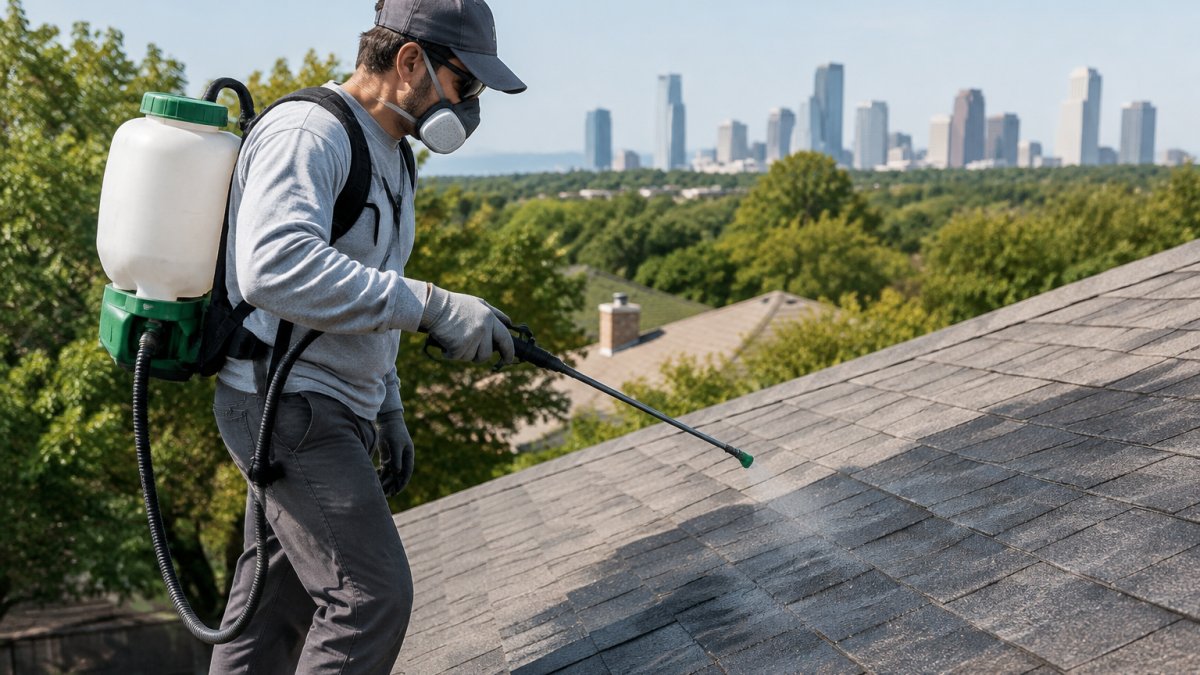
Roof rejuvenation is a spray treatment that restores oils to aging asphalt shingles, bringing back flexibility and color without a full tear-off. As shingles age, they lose the oils that keep them pliable. They dry out, curl, and crack. A plant-based rejuvenation spray puts those oils back.
This is where ATX RENEWED ROOFS comes in. Our eco-friendly, plant-based spray is a sustainable alternative to replacement. It is designed to reduce landfill waste compared with full replacement. It is not a paint or a cosmetic cover.
Roof Rejuvenation Cost Compared to a Full Replacement
The useful comparison between rejuvenation and replacement is not just the upfront price but the cost per year of service. A replacement means new roofing material, tear-off, disposal of old roofing layers, and installation labor. A rejuvenation treatment is a spray applied to the roof you already have. That gap in cost is the whole point of this approach.
What Drives Each Price
Rejuvenation pricing depends mainly on roof size, roof pitch, and condition. A simple, walkable roof in decent shape costs less to treat than a steep, cut-up roof with multiple valleys and dormers.
Rejuvenation costs are typically lower than replacement on the same roof, and the difference can grow on larger, steeper roofs where tear-off and disposal labor add up. Pricing depends on quantity, dates, and delivery, and current pricing is available on our website. Our comparison of roof rejuvenation vs replacement breaks down cost and lifespan side by side.
Cost Per Year of Service
The honest way to compare is to divide each option's cost by the years of service it buys. On a sound roof, rejuvenation may add service life, so its cost per year depends on how long that extension lasts. Replacement resets the clock for the full life of a new roof, so its much higher upfront cost spreads over a much longer period. Neither number is automatically better, the right choice depends on how long you plan to stay and what condition the roof is in.
| Factor | Rejuvenation | Full Replacement |
|---|---|---|
| Cost | Lower upfront | Highest upfront |
| Time on site | Usually one visit | Multiple days |
| Waste | Minimal | Old shingles to landfill |
| Service added | Several years on a sound roof | Full life of a new roof |
| Best for | Sound roof, aging shingles | Structural damage, end of life |
When the Math Flips
Rejuvenation may suit a roof that is structurally sound, has no active leaks, and simply looks old. Replacement wins when there is rot, widespread shingle failure, repeated leaks in different spots, or a roof already at the end of its expected life, in those cases a treatment is money spent on a roof that won't hold the result. If you're unsure which side of that line your roof is on, our guide on the signs your roof needs replacement walks through the warning signs, and our guide on how long roof treatment lasts explains what affects the service window.
How Long Roof Rejuvenation Lasts and What Affects It
How long roof rejuvenation lasts depends on the roof's condition, the climate, and how well you maintain it. A roof in decent shape with no leaks may hold its results longer, while heat, sun, and storm exposure can shorten the timeline. Regular cleaning and prompt repairs can help extend it. For a specific estimate of how long a treatment will last on your roof, check with us directly. Regular cleaning and prompt repairs can also extend roof lifespan by limiting the wear that shortens treatment results.
Roof Replacement Versus Rejuvenation: How to Decide
The choice comes down to the roof's condition, not its age alone. Rejuvenation makes sense when the roof is structurally sound but the shingles are dry, faded, and worn. Replacement is the better call when there is rot, widespread failure, or repeated leaks.
Ask yourself:
- Are there missing shingles across large areas?
- Is there sagging or soft decking?
- Have you had repeated leaks in different spots?
If yes to those, replacement is likely the honest answer. If the roof is sound and simply looks old, rejuvenation can revive it. We'll tell you which one fits, even when that means less work for us. Our guide on the signs your roof needs replacement walks through the warning signs.
Stay Safe If You Plan to Do Any Work Yourself
DIY roof work is dangerous, and it's worth saying plainly. Falls are the risk, and an old roof is more fragile than it looks. If you go up, follow these basics:
- Use a stable ladder rated for the load and set on level ground
- Wear non-slip shoes and keep three points of contact
- Never work alone and never in wet or windy conditions
- Stay off brittle shingles that may crack underfoot
- Keep cleaners away from plants and rinse runoff
Watch out: stepping on a soft spot can send you through the deck. If the roof feels spongy, stop and call a pro.
Most homeowners are better off booking the work. If you'd rather skip the ladder, here's how to book roof restoration service with a team that handles it safely.
An old roof doesn't have to mean a full replacement. The right inspection, careful cleaning, solid repairs, and a rejuvenation treatment can bring back color, flexibility, and years of service.
Frequently Asked Questions
How can I make my old roof look new without a full replacement?
Start with a professional inspection, then clean off dirt, moss, and algae gently rather than with a pressure washer. Repair any cracked shingles, rusty flashing, or exposed underlayment. If the shingles are still structurally sound but dried out and faded, a roof rejuvenation treatment can restore oils, color, and flexibility. That combination of cleaning, repair, and treatment is what makes an old roof look new again without the cost and waste of tearing it off.
Does roof rejuvenation actually work on a 15 to 20 year old roof?
It works best on asphalt shingles that are dried out and losing flexibility but not yet failing. Shingles with widespread granule loss, curling, or exposed fiberglass mat may be past the point where a roof rejuvenation treatment helps. That is why an honest inspection matters more than a sales pitch. A qualified assessor should tell you plainly whether your roof can be revived or whether roof replacement versus rejuvenation points toward replacement.
How much does roof rejuvenation cost compared to a replacement?
Roof rejuvenation cost is generally lower than a full replacement because it avoids tear-off and disposal. Pricing depends on quantity, dates, and delivery, and current pricing is available on our website. Compare any figure against a replacement bid and factor in how many years each option buys you.
How long roof rejuvenation lasts and will it hold up to hot summers?
How long roof rejuvenation lasts depends on the shingle condition at the time of treatment, sun exposure, and ventilation. Results vary by roof, and shingles in hot climates with intense UV can dry out faster. Ask your provider what they can confirm in writing for your specific roof.