 how-to
Book Roof Restoration Service in Austin: 2026 How-To
Table of Contents
- What You'll Need Before You Book Roof Restoration Service
- Signs of Roof Storm Damage That Justify Restoration
- How to Choose a Local Roofing Contractor in Austin
- Step-by-Step: How to Book Roof Restoration Service
- Roof Rejuvenation Cost vs. Full Replacement
- Common Mistakes to Avoid When Booking Roof Restoration
- Frequently Asked Questions
Last Updated: September 30, 2026
What You'll Need Before You Book Roof Restoration Service
Booking a roof restoration service in Austin starts with gathering four things: proof of roof age, photos of visible damage, your insurance policy details, and a clear budget ceiling. Homeowners who prepare these items before making calls typically get faster, more accurate assessments.
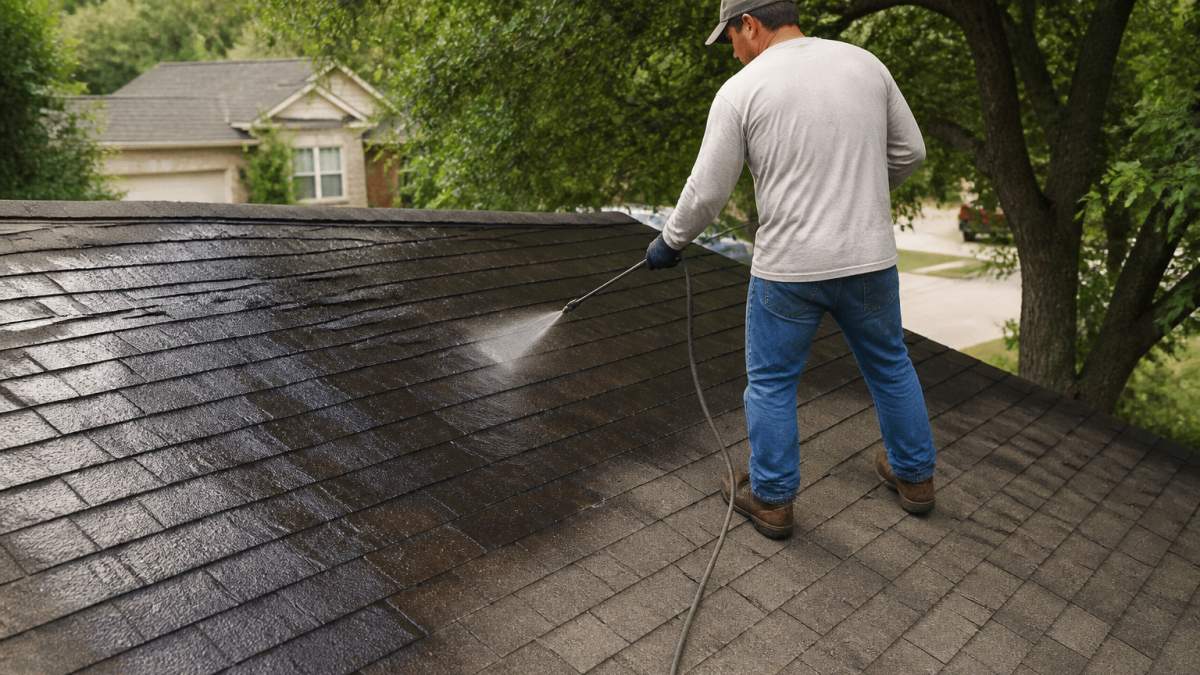
ATX Renewed Roofs works with Austin homeowners who want to avoid a full replacement. The plant-based rejuvenation spray we use restores essential oils to aging asphalt shingles, extending their lifespan without the waste of tearing off a functional roof.
Before you dial a single contractor, pull together:
- Roof age documentation, your original installation receipt, inspection report, or a rough estimate if records are missing
- Photo evidence, wide shots of each roof plane plus close-ups of curling, cracking, or granule loss
- Insurance paperwork, your policy number, deductible amount, and any prior claim history
- Budget range, a realistic number so you can compare quotes without guesswork
The Texas Department of Insurance homeowner resources explains what your policy typically covers for storm-related damage. Knowing this before you call prevents surprise.
Signs of Roof Storm Damage That Justify Restoration
Storm damage rarely announces itself with a dramatic hole in your ceiling. More often, the evidence sits quietly on your roof for months before you notice a stain on the drywall. The difference between a roof that qualifies for restoration and one that needs replacement usually comes down to whether the damage is functional or cosmetic, and that distinction drives both your repair decision and your insurance claim.
Functional vs. cosmetic damage: why the distinction matters
Functional damage means the shingle can no longer shed water the way it was engineered to. Cosmetic damage means the shingle looks marked but still performs. Insurance adjusters are trained to pay for functional damage and deny cosmetic-only claims, so understanding the difference before you call anyone protects you from both under- and over-selling.
Walk your property after any major hail or wind event and look for these indicators:
- Granule loss, dark patches or bare spots where shingles have shed their protective coating. Run your hand along a gutter downspout after a storm; a gritty, sand-like residue is a strong signal.
- Curling or buckling, shingle edges lifting away from the deck. This usually points to thermal cycling or moisture in the deck, not just impact.
- Bruising, soft, dented spots where hail impact has crushed the shingle mat. Press gently with a thumb; if the mat gives, the shingle has lost its water-shedding integrity.
- Flashing damage, bent or separated metal around chimneys, vents, and valleys. Flashing failures cause more leaks than shingle failures in most homes.
- Gutter sediment, excessive granules washing into gutters after rain.
- Soft spots or sagging, a sign the decking underneath has absorbed water and may be past restoration.
How hail actually damages a shingle
Hail impact does two things at once. It knocks granules loose from the asphalt coating, and it fractures the fiberglass mat underneath. The granule loss is visible; the mat fracture often is not. That hidden fracture is why a roof can look "mostly fine" from the ground and still fail an insurance inspection. A trained inspector uses a test square, typically a 10-foot by 10-foot section, to count impact marks and compare them against the surrounding field of shingles.
Hail damage is the most common culprit in this region. A trained inspector can distinguish functional damage from cosmetic marks, which matters when you file an insurance claim.
Wind, water, and the damage you cannot see
Wind damage is easier to miss than hail. Lifted shingle tabs reseal in the next warm day, leaving no visible trace, but the seal is broken, and the next driving rain pushes water under the shingle. That is why a professional roof assessment should follow within a week or two of any major event. Delaying lets water reach the underlayment and decking, which turns a restoration candidate into a replacement job.
When to call a professional, and when to document first
If you spot any of the indicators above, document them before you call anyone.
The Texas Department of Insurance storm damage claim guidance explains how the claim process works and what documentation adjusters expect to see.
How to Choose a Local Roofing Contractor in Austin
Choosing a local roofing contractor comes down to four checks: license verification, local references, written estimates, and a clear warranty. Skip any one of these and you invite trouble.
Here is the shortlist every homeowner should run:
- Verify the license, confirm the contractor holds a current roofing contractor license through the state licensing board
- Ask for local references, recent jobs within your zip code, not testimonials from another state
- Demand a written estimate, itemized, with materials and labor broken out separately
- Read the roofing warranty, understand what is covered, for how long, and who honors it
Step-by-Step: How to Book Roof Restoration Service
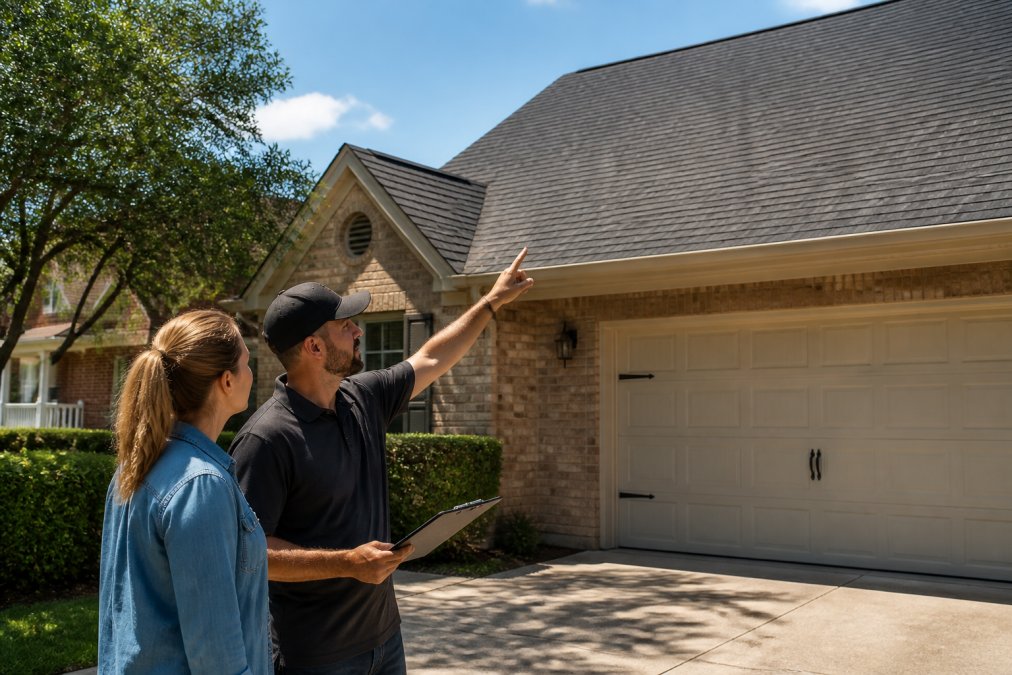
Booking a roof restoration service takes five steps and typically spans one to two weeks from first call to scheduled work, longer if an insurance claim is involved. The steps below cover both the cash-pay path and the claim path, because the claim path is where most homeowners get stuck.
- File a claim if the damage is functional and the repair cost clearly exceeds your deductible. Most homeowner policies cover sudden storm damage but not wear-and-tear.
- Pay out of pocket if the damage is minor, cosmetic, or close to your deductible. Filing a small claim can affect your premium and your claim history.
- Get a second opinion if the first contractor says "file" and you are unsure. A claim denial stays on your record.
| Step | What Happens | Typical Time |
|---|---|---|
| Free inspection | Roof assessment and photo documentation | 1-2 days to schedule |
| Written estimate | Line-item quote delivered | 1-3 days after inspection |
| Claim decision | File, pay out of pocket, or get a second opinion | 1-2 days |
| Adjuster meeting | On-site inspection with contractor present | 1-3 weeks after filing |
| Scheduling | Crew assigned and date confirmed | 3-7 days out |
| Service day | Restoration spray applied | 1 day |
| Follow-up | Warranty issued and final walkthrough | Same week |
What to have ready for the adjuster meeting
- Date and type of storm, your claim number, and your policy number
- Photos of each roof plane, close-ups of damage, and any interior water stains
- Your contractor's written assessment with square footage and damage counts
- Receipts or records of the roof's age and any prior repairs
The Federal Trade Commission guidance on home improvement scams outlines red flags to watch for before signing any home service contract, including the storm-chaser pattern that spikes after major hail events.
Roof Rejuvenation Cost vs. Full Replacement
Roof rejuvenation cost runs a fraction of what a full replacement demands, and the gap widens when you factor in disposal fees and landfill waste. For a roof with years of serviceable life left, restoration is the smarter financial move.
Consider these factors when weighing the two:
- Remaining roof life, a roof with good structural integrity and moderate wear is a strong restoration candidate
- Damage extent, widespread decking rot or active leaks usually push toward replacement
- Budget timing, restoration spreads your roofing project cost over a longer horizon
- Environmental impact, restoration keeps tons of asphalt shingle out of landfills
Common Mistakes to Avoid When Booking Roof Restoration
The costliest mistakes happen before any work begins. Homeowners who rush the booking process end up overpaying, hiring unlicensed crews, or discovering their warranty covers nothing.
Watch for these pitfalls:
- Skipping the license check, an unlicensed crew leaves you with no legal recourse if something goes wrong
- Paying a large deposit upfront, reputable contractors do not demand full payment before starting
- Ignoring the warranty fine print, some warranties void if you miss annual preventative maintenance
- Choosing a storm chaser, out-of-town crews disappear after the job, leaving no one to honor the roofing warranty
- Forgetting to ask about insurance claim assistance, a good contractor helps document damage for your claim
Frequently Asked Questions
What is the difference between roof restoration and roof replacement?
Roof restoration treats existing asphalt shingles with a rejuvenation spray that restores flexibility and color, extending the roof's life by several years. Replacement removes all shingles and installs a new roofing system. Restoration costs far less and keeps old shingles out of landfills, but it only works if the roof is structurally sound with no widespread damage.
How do I know if my roof needs restoration or a full replacement?
A professional roof assessment is the only way to know for sure. Restoration suits roofs with curling shingles, faded color, or minor granule loss but no leaks or soft spots. If there is widespread damage or water damage to the decking, replacement is usually the safer choice.
Is roof restoration a cost-effective alternative to replacement?
Yes, for qualifying roofs. Restoration typically costs a fraction of a full replacement and can extend the roof's service life by several years. For budget-conscious homeowners with 15-20 year old shingles, it delays the larger expense and reduces landfill waste. Request a transparent estimate to see your specific numbers.
How often should I have my roof inspected for damage?
Inspect your roof at least once a year and after any major hail or wind storm. Austin's heat and storm seasons accelerate wear on asphalt shingles, so a spring and fall check is wise. Catching curling, granule loss, or flashing issues early keeps restoration on the table instead of replacement.