 How-to
How Can You Extend Roof Life in Intense Heat?
Last Updated: October 25, 2026
Quick Summary
To extend roof life heat damage, maintain consistent seasonal inspections, ensure proper attic ventilation with soffit and ridge vents, and apply reflective coatings to reduce surface temperatures by 40 degrees or more. These measures can extend your roof's lifespan by 5-10 years in intense heat conditions.
- Asphalt shingles last 15-20 years normally but fail in one year under consistent temperatures exceeding 120°F.
- Proper attic ventilation keeps temperatures 15-25°F cooler, dramatically reducing thermal stress on shingles.
- Reflective coatings reduce roof surface temperature from 180°F to 140°F or lower, extending shingle lifespan.
- Monthly visual inspections from the ground catch curling, granule loss, and cracks before major damage occurs.
- Roof rejuvenation restores binding oils to aging shingles and extends lifespan by 5-10 years for roofs 12-20 years old.
Table of Contents
- How Intense Heat Damages Asphalt Shingles
- Signs of Heat Damage to Roof Shingles
- How to Extend the Life of Asphalt Shingles
- Roof Inspection Checklist for Homeowners
- Roof Rejuvenation for Asphalt Shingles
- When to Choose Rejuvenation Over Replacement
- Get Your Free Roof Assessment Today
- Frequently Asked Questions
How Intense Heat Damages Asphalt Shingles
Intense heat doesn't just make your home uncomfortable, it actively breaks down your roof and can extend roof life heat damage significantly if left unaddressed.
Here's what happens: asphalt shingles contain binding oils that hold the granules in place and keep the material flexible. When temperatures consistently exceed 120°F, those oils evaporate faster than they should. The shingles become brittle.
Thermal expansion and contraction is the real culprit. Your roof expands in the day's extreme heat, then contracts at night. This constant flexing weakens the material from the inside out.
The damage accelerates in summer. A single scorching week can age your roof months' worth under normal conditions.
Signs of Heat Damage to Roof Shingles
The first visible sign is curling shingles. The edges lift away from the roof surface, starting at the corners.
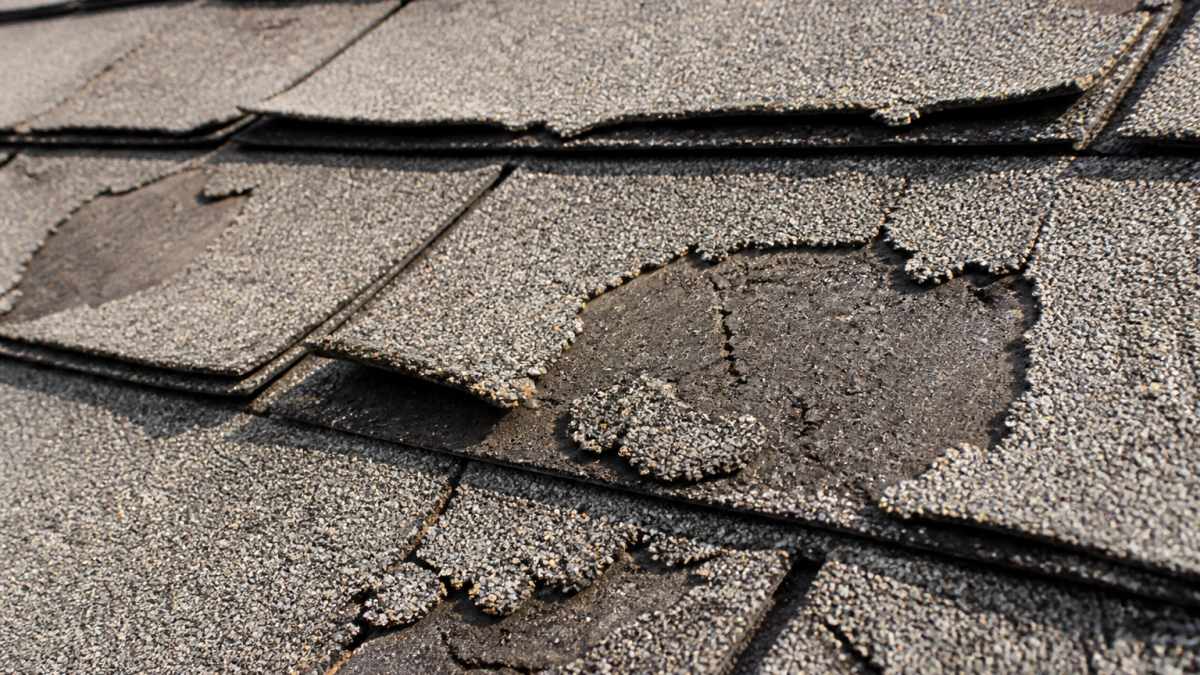
Missing or loose granules are another clear signal. Granules protect the asphalt from UV rays.
Cracked and split shingles indicate the material has become too brittle to flex. Small cracks expand with each temperature swing.
Fading or discoloration is subtle but important. Your roof's color fades because UV rays are breaking down the pigments and the asphalt binder simultaneously.
Blistering or bubbling means moisture is trapped inside the shingle layers. Heat causes that moisture to expand, creating visible bumps.
Look for these signs during a visual inspection from the ground. Use binoculars if you can't see clearly.
How to Extend the Life of Asphalt Shingles
Seasonal Maintenance and Inspections
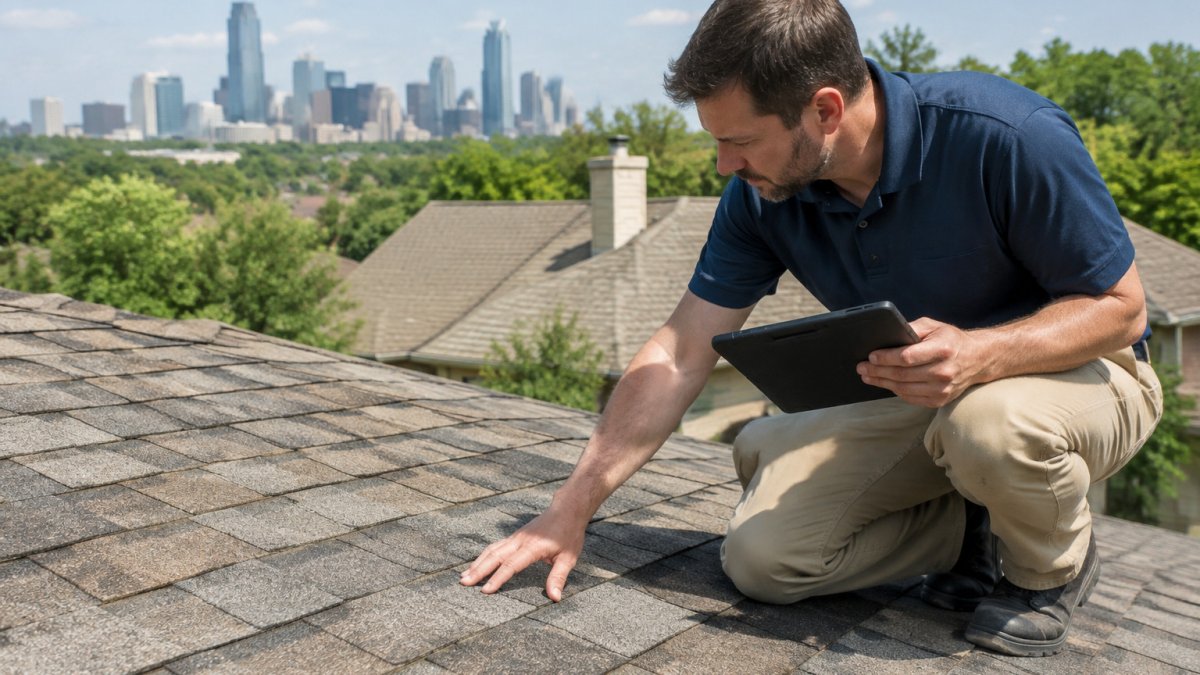
The most effective way to extend your roof's life is consistent maintenance tied to the seasons. Spring and fall are critical inspection windows. In spring, look for winter damage and debris.
Monthly visual checks from the ground take five minutes and catch problems early. After storms, inspect for missing shingles or debris. After heat waves, look for new curling or granule loss. Early detection means smaller repairs instead of major replacement.
Clean gutters every three months, more often if you have trees overhead. Clogged gutters trap moisture against your roof and prevent proper drainage. That trapped moisture accelerates rot and deterioration. Clear gutters also reduce the weight load on your roof structure.
Remove debris from your roof surface. Leaves, branches, and dirt retain moisture and block airflow. They also trap heat against the shingles, intensifying thermal stress.
Trim tree branches that hang over your roof. Shade is helpful, but low branches drop debris constantly and block air circulation.
Check your attic annually. Look for water stains on rafters or decking, signs of mold, or daylight coming through cracks. These indicate roof leaks that need immediate attention.
[Consider our guide on seasonal roof maintenance tips for Austin heat for detailed seasonal checklists tailored to local climate patterns.]
Roof Ventilation and Attic Airflow
Your attic temperature directly impacts your roof's lifespan. A poorly ventilated attic can reach 160°F on hot days, hotter than the outside air.
Proper ventilation requires two components: intake and exhaust. Soffit vents (under the eaves) provide intake. Ridge vents, gable vents, or turbine vents provide exhaust.
Many older homes lack adequate ventilation.
Check that your existing vents aren't blocked. Insulation, stored items, or pest netting can restrict airflow. Clear any obstructions.
Attic insulation matters too, but balance is critical. You need enough insulation to reduce energy loss, but not so much that it blocks airflow.
Consider adding powered ventilation if natural airflow is insufficient. A whole-house fan or attic fan can move hot air out faster, especially during peak heat hours.
Reflective Coatings and Cool Roof Options
Reflective coatings reduce the amount of heat your roof absorbs. A standard dark asphalt roof can reach 180°F in direct sun. A reflective coating can reduce that to 140°F or lower.
Cool roof coatings are typically white or light-colored acrylic or silicone products. They reflect sunlight instead of absorbing it.
Benefits include:
- Lower attic and indoor temperatures
- Reduced air conditioning costs
- Extended shingle lifespan by 5-10 years
- Improved curb appeal (restored color)
- Enhanced weather resistance
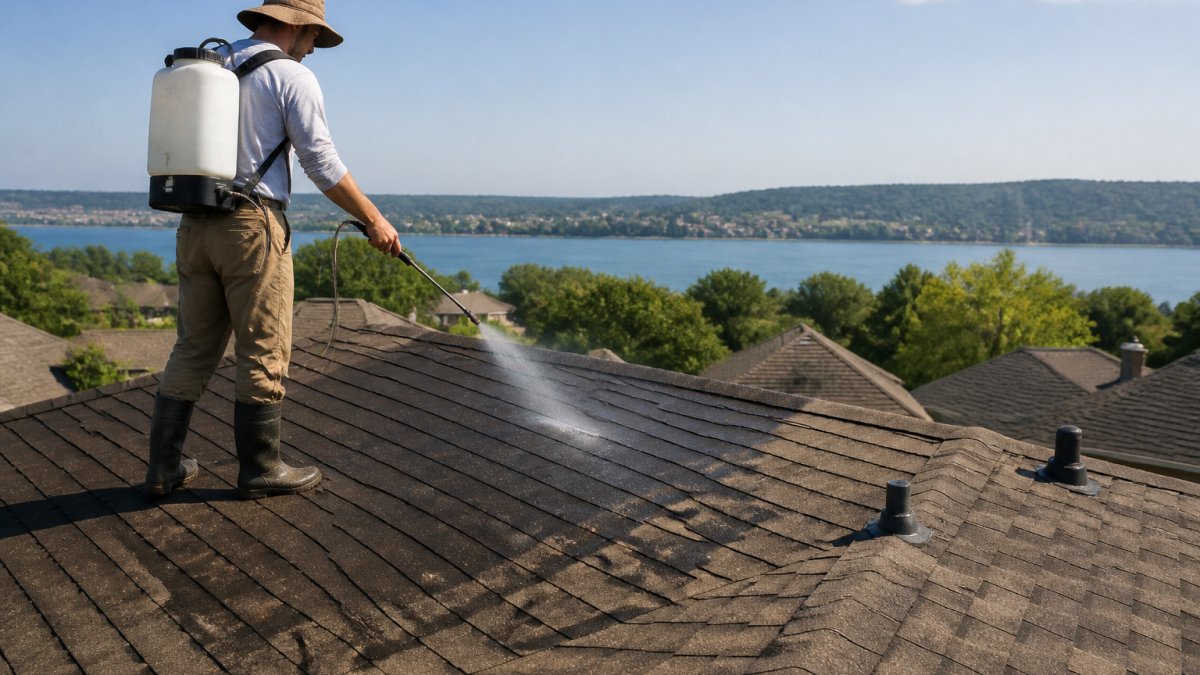
The coating process is straightforward: clean the roof, apply primer if needed, and spray or roll on the reflective coating. It's far less invasive than replacement and costs a fraction as much.
[Explore our detailed guide on choosing the best roof coating for your Austin home to understand which coating types work best for different shingle conditions.]
Reflective coatings work best on roofs that still have structural integrity.
Roof Inspection Checklist for Homeowners
Use this checklist to assess your roof's condition and identify heat damage early.
Visual Inspection from Ground:
- Look for curled shingle edges, especially on south and west-facing slopes
- Scan for missing or loose granules (check gutters for accumulation)
- Identify cracked, split, or blistered shingles
- Note any fading or discoloration patterns
- Check for sagging or uneven roof lines
- Observe debris accumulation (leaves, branches, dirt)
- Look for visible moss, algae, or mold growth
Gutter and Drainage:
- Clear gutters of all debris
- Check downspouts for proper drainage away from foundation
- Look for granules in gutters (sign of shingle deterioration)
- Ensure gutters are securely fastened and not sagging
Attic and Interior:
- Check attic for water stains on rafters or decking
- Look for mold, mildew, or musty odors
- Verify soffit and ridge vents are unobstructed
- Confirm insulation doesn't block airflow
- Check for daylight coming through roof cracks
- Inspect for pest damage or nesting
After Storms:
- Look for missing shingles or torn sections
- Check for debris impact damage
- Scan for new leaks or water entry points
- Document damage with photos for insurance claims
This checklist should take 20-30 minutes. Do it twice yearly, once in spring and once in fall. After severe storms, do an additional check. Early detection of problems prevents small issues from becoming expensive repairs.
Roof Rejuvenation for Asphalt Shingles
Roof rejuvenation is a process that restores essential oils to aging asphalt shingles. Learn seasonal roof care rejuvenation tips for Austin homes to understand how to time treatments with local weather patterns.
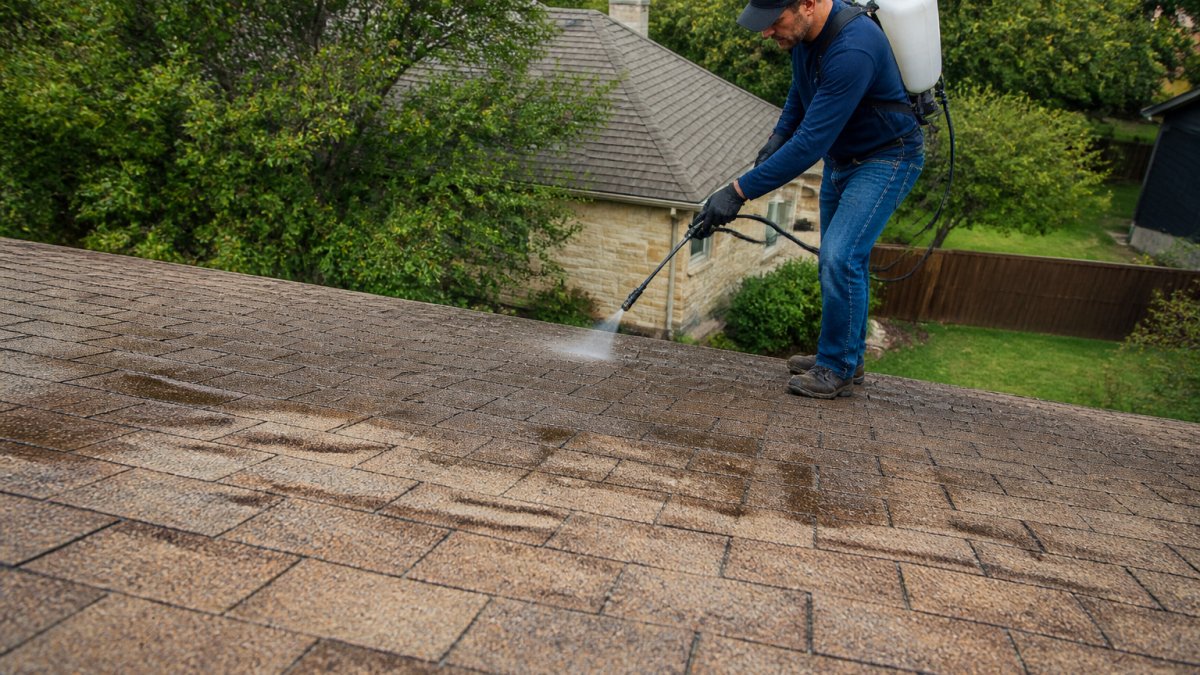
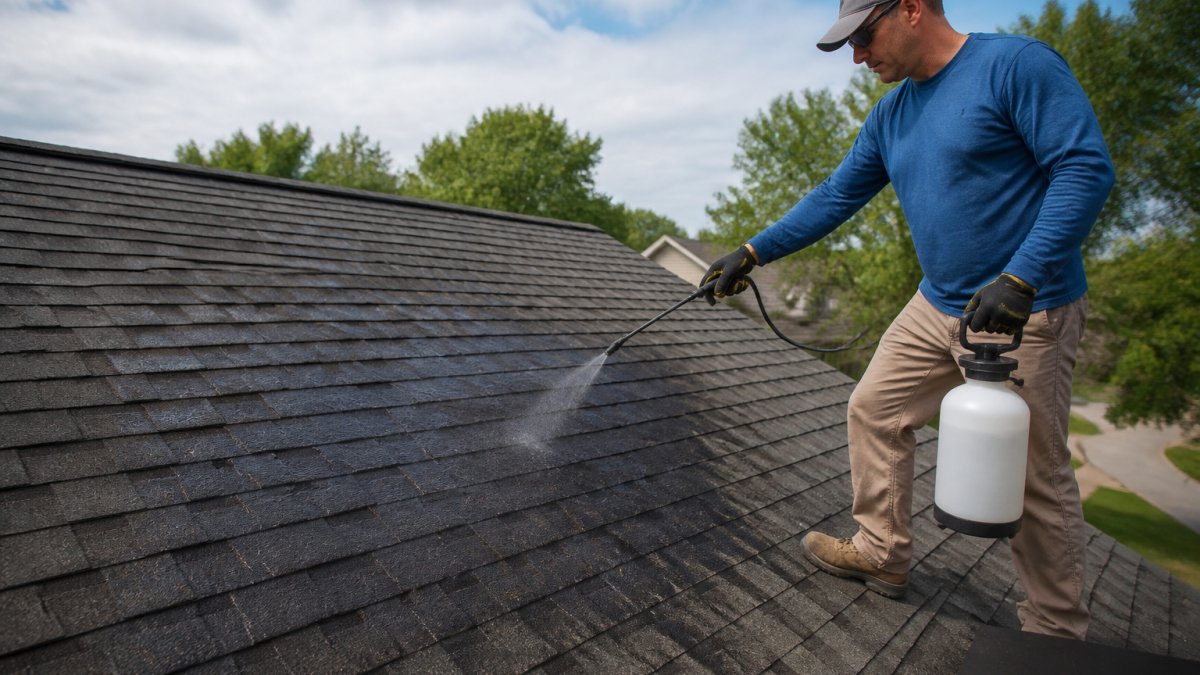
How it works: A plant-based rejuvenation spray is applied to the roof surface. The spray penetrates the shingles, reintroducing the binding oils that keep granules in place and allow the material to flex safely.
Benefits include:
- Restored flexibility and reduced cracking
- Improved granule adhesion (less loss in rain)
- Original color restoration (improved curb appeal)
- Enhanced weather resistance to wind and water
- Extended lifespan by 5-10 years
- Significant cost savings versus replacement
- Reduced landfill waste (sustainable alternative)
Rejuvenation works best on roofs that are 12-20 years old and showing age but still structurally sound.
The application process is quick and non-invasive. There's no tearing off old shingles or installing new ones. You can typically stay in your home during treatment. Most roofs are treated in a single day.
Results are visible immediately. Your roof looks restored.
When to Choose Rejuvenation Over Replacement
The decision between rejuvenation and replacement depends on your roof's current condition and your long-term plans.
Choose rejuvenation if:
- Your roof is 12-18 years old and showing signs of aging
- Shingles have some curling, fading, or granule loss but aren't severely damaged
- You want to extend your roof's lifespan by 5-10 years
- You're budget-conscious and want to avoid the high cost of full replacement
- You value sustainability and want to reduce roofing waste
- You plan to stay in your home for at least 5 more years
- Structural damage is minimal (no rotted decking or compromised framing)
Choose replacement if:
- Your roof is 20+ years old and showing extensive damage
- Shingles are severely curled, cracked, or missing in large sections
- Water leaks are occurring inside your home
- Decking or framing shows rot or structural damage
- You plan to stay in your home for 15+ more years (replacement lasts longer)
- Your roof has experienced major storm damage
- Multiple layers of old shingles are present (re-roofing over existing layers)
Rejuvenation buys you time and money. It's ideal for roofs that still have structural integrity but are showing age from heat and UV exposure. Replacement is necessary when damage is too severe for rejuvenation to be effective.
[Review our comparison of roof spraying vs traditional roof replacement to understand the trade-offs in detail.]
Many homeowners are surprised to learn their roof can be saved. We assess roofs honestly, if rejuvenation won't work, we'll tell you. If it will extend your roof's life significantly, that's our recommendation. Our goal is to help you make the right choice for your home and budget, not to push you toward the most expensive option.
Get Your Free Roof Assessment Today
Your roof is one of your home's most important investments. Heat damage develops gradually, but once it starts, it accelerates quickly.
We offer a free, no-pressure assessment. We'll inspect your roof, identify any heat-related damage, and explain your options honestly. Whether rejuvenation, coatings, or replacement makes sense depends on your specific roof's condition and your goals.
[Learn how to choose a qualified roof spraying service in Austin to ensure you're working with professionals who understand local climate challenges.]
Our plant-based rejuvenation spray is proven to restore flexibility, improve weather resistance, and add years of life to aging asphalt shingles.
Contact us today for your free assessment. We'll give you a clear, honest picture of your roof's condition and the best path forward.
Frequently Asked Questions
What are the main signs that heat has damaged my roof shingles?
Heat damage to asphalt shingles typically shows as curling edges, loss of granules (dark spots in gutters), cracking, blistering, and faded or discolored appearance. Shingles may also become brittle and lose their flexibility. These signs indicate thermal stress from repeated expansion and contraction in intense sun. The longer these issues go unaddressed, the closer your roof moves toward needing full replacement rather than restoration.
How long can roof rejuvenation for asphalt shingles actually extend my roof's life?
Roof rejuvenation treatments restore essential oils to aging asphalt shingles, typically extending their functional lifespan by 5 to 10 years depending on the condition of your shingles and ongoing heat exposure. The treatment works best on roofs that are showing wear but are not yet at the end of their life. A professional inspection can determine whether your specific roof is a good candidate and what realistic lifespan extension you can expect.
Is roof rejuvenation really a substitute for full roof replacement, or will I just need to replace it sooner anyway?
Roof rejuvenation is a legitimate alternative to full replacement for roofs showing heat-related wear but still structurally sound. It restores flexibility and weather resistance to shingles that have lost essential oils due to UV exposure and thermal stress. However, if your roof has severe structural damage, widespread leaks, or is nearing the end of its natural lifespan, rejuvenation may only delay replacement. A transparent assessment from a qualified professional can tell you whether rejuvenation will serve your roof for several more years or whether replacement is the better long-term choice.
How often should I have my roof inspected in a hot climate to catch heat damage early?
In intense heat climates, inspect your roof at least twice per year, ideally in spring and fall. After severe storms, check for new damage. Look for granule loss, curling, cracking, and signs of thermal stress. Early detection of heat damage allows you to address it with maintenance or rejuvenation before it progresses to the point where replacement becomes necessary. Professional inspections every 2-3 years provide a more thorough assessment of your roof's condition and remaining lifespan.
Protecting your roof from intense heat requires understanding how damage develops and taking action before problems become severe. Regular inspections, proper ventilation, reflective coatings, and rejuvenation treatments are proven ways to extend your roof's lifespan in this climate. Start with a professional assessment so you know exactly what your roof needs.