 How-to
7 Roof Rejuvenation Spray Safety Rules for Pets
Last Updated: November 19, 2026
Quick Summary
Pet safety with roof rejuvenation spray depends on two things: what is in the tank and whether the roof is dry. Keep pets off the roof and out of the treated area until the product reaches tack-free, meaning it no longer feels sticky to the touch. Always follow the product label over any general time estimate.
- Ask your provider for the safety data sheet before treatment day to review the formulation and first aid steps.
- Move water bowls, food dishes, and pet beds away from the treatment zone before application.
- Sustained wind above roughly 10 mph pushes spray drift toward windows, patios, and pet runs.
- Temperatures below about 50°F slow curing and can stretch tack-free time into most of a day.
- Rinse paws and coat with plain lukewarm water for several minutes and monitor for at least 24 hours.
Table of Contents
- Why Pet Safety Comes Down to Ingredients and Drying Time
- Roof Rejuvenation Spray Ingredients: What Is Actually in the Tank
- How Long to Keep Pets Away After Roof Treatment
- Roof Rejuvenation Spray Runoff Precautions for Yards and Water Bowls
- Roof Spray Safety for Plants and Landscaping
- Pet Exposure Routes, Symptoms, and What to Do After Contact
- Weather, Site Conditions, and the Homeowner Safety Checklist
- Book a Free Roof Assessment Before You Spray Anything
- Frequently Asked Questions
Why Pet Safety Comes Down to Ingredients and Drying Time
If you are searching for clear answers on roof rejuvenation spray safety for pets, here is the short version: the risk to your dog or cat depends almost entirely on two things, what is in the tank and whether the roof is dry. Homeowners often want to know if a plant-based treatment is truly safe around animals, and they deserve a straight answer.
The Two Questions That Decide Everything
First, ask what the product is made of. Second, ask how long it stays wet.
Most guides skip this. They hand you a vague "keep pets away" warning and move on. That is not good enough when your dog shares your yard.
Below, we break down the real precautions: ingredients, drying time, runoff, and what to do if contact happens.
Roof Rejuvenation Spray Ingredients: What Is Actually in the Tank
Roof rejuvenation spray ingredients fall into two broad families, and knowing which one you are dealing with changes every safety decision that follows.
Plant-based and soy-derived oils are generally considered the gentler category. These bio-based oils are intended to restore flexibility to aging asphalt shingles.
Ask your provider for the safety data sheet before treatment day. That document typically lists the formulation, first aid steps, and handling precautions.
For a closer look at how these formulas work and what to check before you buy, see our breakdown of whether roof rejuvenation is a scam.
How Long to Keep Pets Away After Roof Treatment
The practical answer: keep pets off the roof and out of the treated area until the product is fully dry. The exact window depends on the product, the weather, and how heavy the application was. The exact window depends on your product, the weather, and how heavy the application was.
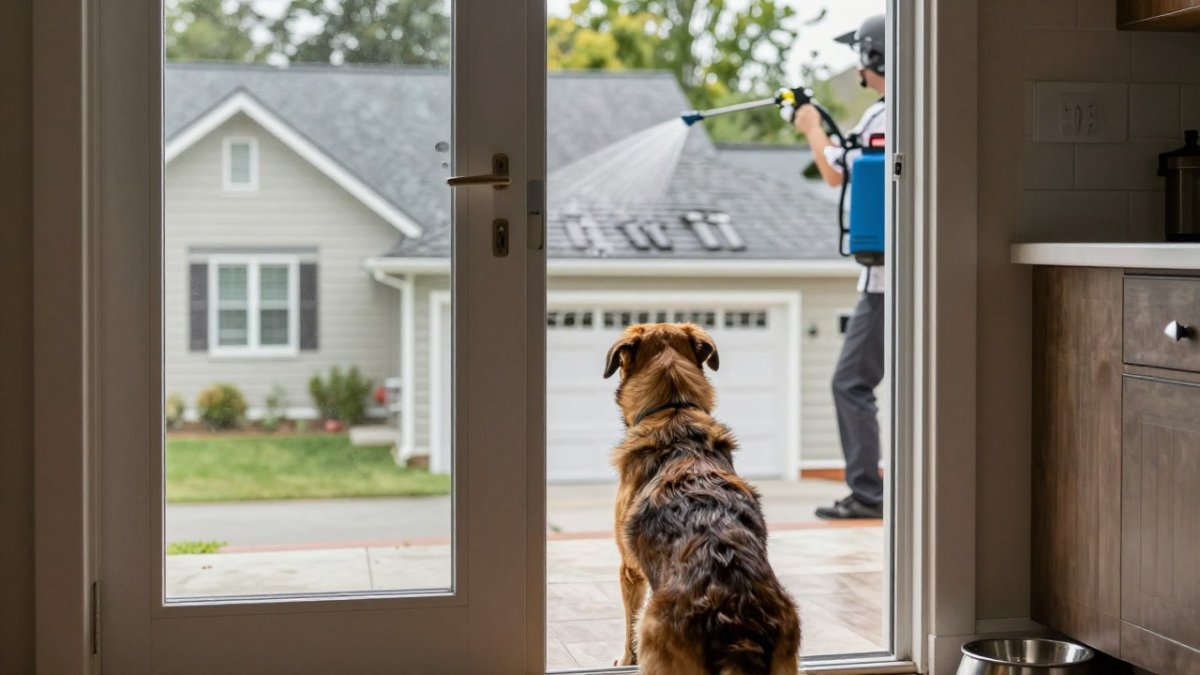
The label is your authority here, not a blog post. Check it first.
Reading the Tack-Free Point on Your Product Label
Tack-free means the surface is dry enough that it no longer feels sticky to the touch. That is the milestone you are waiting for. Until the roof reaches tack-free, residue can transfer to paws, fur, and water bowls.
Here is how to plan around it:
- Before application: move water bowls, food dishes, and pet beds away from the treatment zone
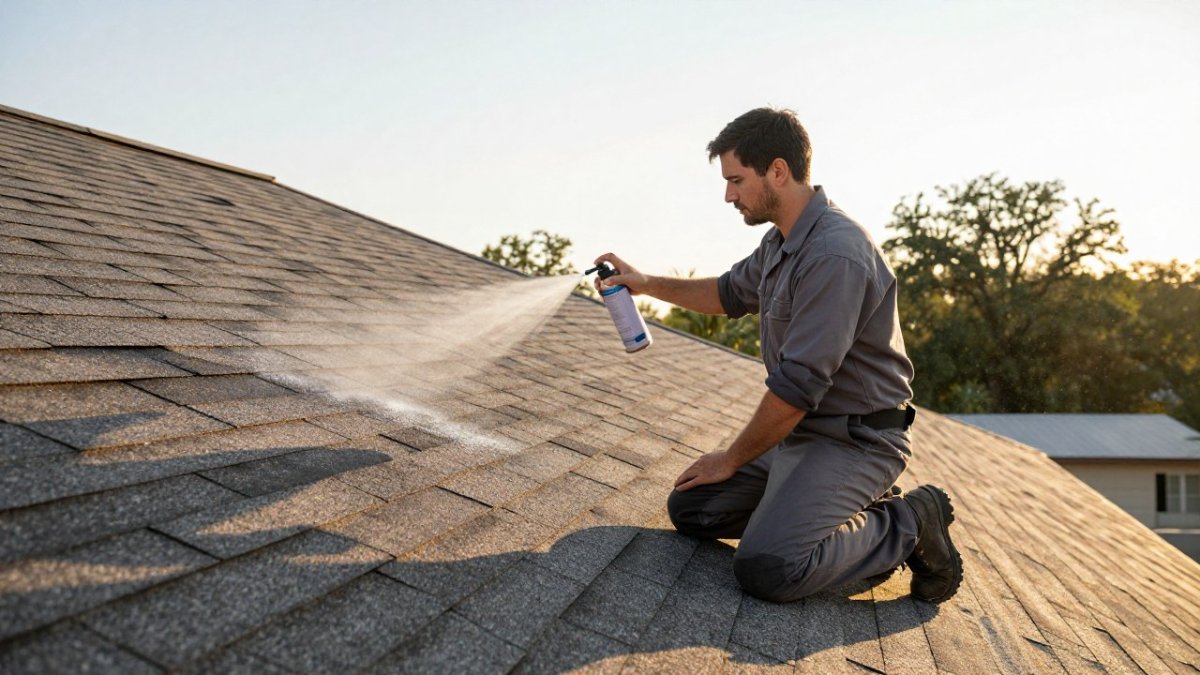
- During application: keep dogs and cats indoors with windows closed on the spray side
- After application: wait for tack-free, then do a visual check of the ground for overspray
Drying time shifts with weather. Heat and sun speed it up. If you want to understand what a warranty covers around treatment timing, read our guide to roof rejuvenation warranty and guarantee coverage.
Roof Rejuvenation Spray Runoff Precautions for Yards and Water Bowls
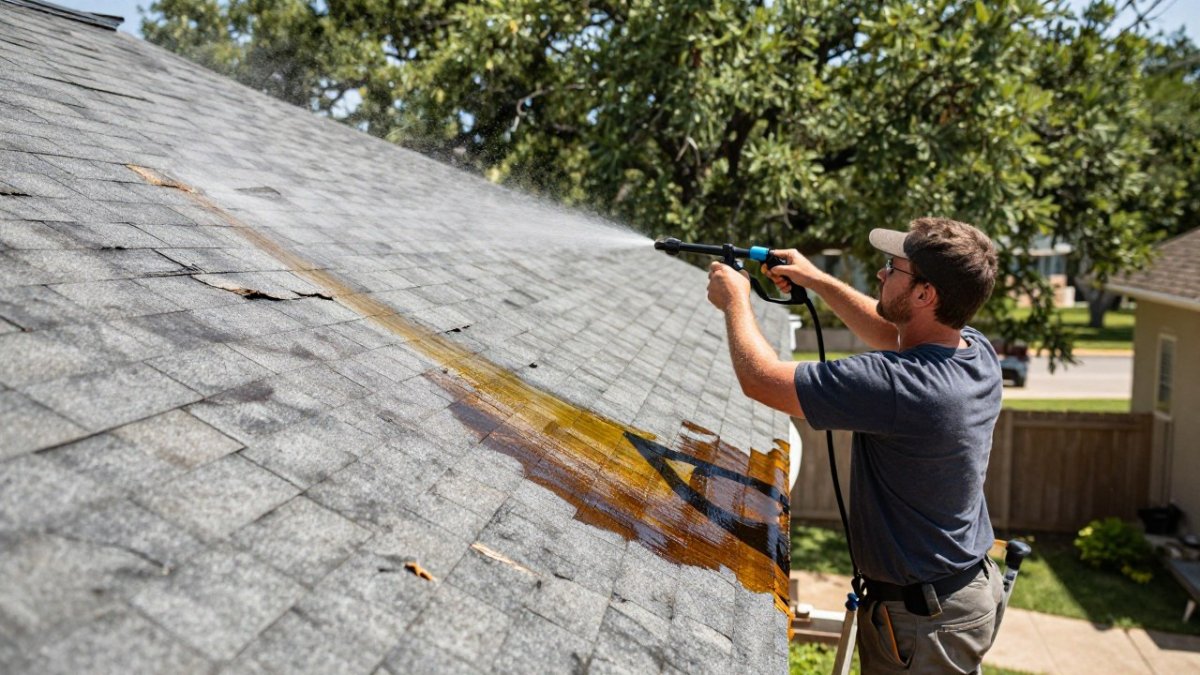
Runoff is the quiet risk most homeowners overlook. Spray that lands on the roof does not always stay there. It can drip from gutters, drift onto patios, and pool in low spots where pets drink.
Take these steps:
- Empty and relocate outdoor water bowls before the crew arrives
- Check gutters and downspout outlets after treatment for residue
- Rinse hard surfaces like concrete and pavers
Runoff control is simple, but it only works if you plan for it. A five-minute walk of your yard after the spray dries will tell you where to focus.
Roof Spray Safety for Plants and Landscaping
Landscaping is more resilient than most people expect, but it still deserves protection. Overspray and spray drift are the main concerns for garden beds, shrubs, and lawns near the house.
A few practical measures go a long way:
- Cover or move potted plants near the foundation
- Water garden beds before treatment so soil is less absorbent
- Rinse foliage the same day if drift is visible
If runoff and environmental impact matter to you, our guide to eco-friendly roof shingle restoration covers how plant-based treatments compare on the sustainability front.
Pet Exposure Routes, Symptoms, and What to Do After Contact
Pets meet roof rejuvenation spray in three ways: through the skin, by swallowing, or by breathing it in. Each route behaves differently, and each calls for a different response. What follows is a practical breakdown of how exposure happens, what signs to watch for, and exactly what to do, including when to stop watching and call a veterinarian.
Skin and Paw Contact
Skin contact is the most common route. Because residue can travel with runoff as well as on paws, Soul Cleanse connects careful pet precautions with preventing water damage during roof cleaning.
Signs to watch for after skin contact:
- Excessive paw licking or chewing
- Redness, swelling, or a greasy film on the paw pads or coat
- Restlessness or repeated rubbing against furniture or carpet
Watch out: a pet that walks through wet spray and then grooms itself has now combined skin contact and ingestion, so treat paw rinsing as the priority even if the skin looks fine.
Ingestion
Ingestion is the route that worries veterinarians most, because the dose is harder to estimate and the signs can be delayed. A pet can swallow residue by drinking from an outdoor bowl that collected runoff, chewing a sprayed plant or mulch, licking treated paws, or eating grass at the edge of a spray zone.
Signs that warrant a call to your veterinarian:
- Vomiting, especially repeated vomiting
- Drooling or lip smacking
- Diarrhea or loss of appetite
The label's first-aid section is the authority for your specific product. Do not induce vomiting unless a veterinarian or poison-control professional tells you to (If Your Pet Eats Something Toxic Hold).
Inhalation
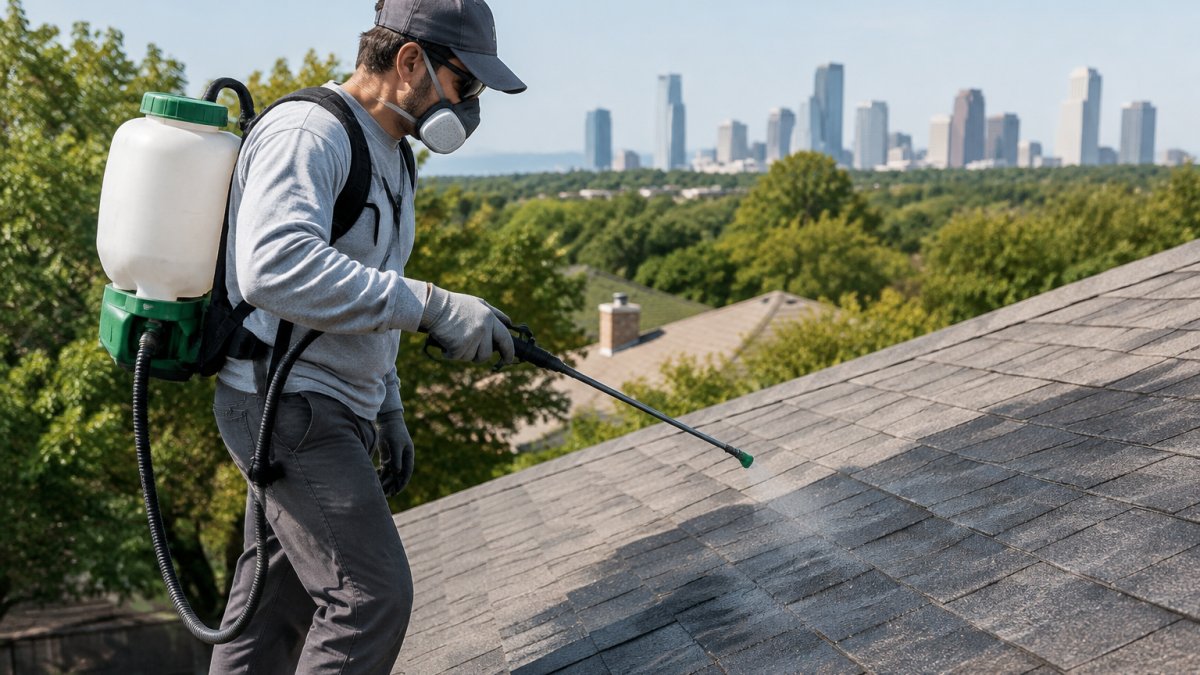
Inhalation risk peaks during application, when the spray is airborne and fumes are strongest near the house. Pets kept indoors with windows open on the spray side can still breathe drift. Signs include coughing, sneezing, eye watering, and labored breathing.
Step-by-Step Response After Accidental Exposure
Act calmly and in this order:
- Remove the pet from the area. Move it indoors or to an untreated part of the yard.
- Rinse, don't scrub. Flush paws and coat with plain, lukewarm water for several minutes. Avoid harsh soaps unless the product label directs otherwise.
- Wipe the mouth. Use a damp cloth to clear residue from the lips and gums, then offer fresh water from a clean bowl.
- Collect the product information. Grab the label and safety data sheet, or at minimum the product name and active ingredients.
- Call for guidance. Contact your veterinarian or a pet poison-control service. Have the product name, estimated exposure amount, pet weight, and time of exposure ready.
- Monitor for at least 24 hours. Some signs, particularly gastrointestinal ones, can appear hours after exposure.
Bring the label or safety data sheet to any veterinary visit. Your vet will want the formulation, not just the brand name.
When to Skip the Call and Go Straight to the Clinic
Call ahead, but do not wait for a callback if your pet is having seizures, struggling to breathe, collapsing, or showing severe tremors. Those signs justify immediate in-person veterinary care. For mild paw licking or a single episode of vomiting after known exposure, a phone consultation is usually the right first step.
Weather, Site Conditions, and the Homeowner Safety Checklist
Weather changes how a roof rejuvenation product behaves on the roof and on the ground, and it changes when your pets can safely return. The label and your applicator's instructions always take precedence over any general time estimate, but understanding the variables helps you plan and spot problems early.
How Weather Shifts Overspray, Runoff, and Drying Time
- Wind: sustained wind above roughly 10 mph pushes spray drift toward windows, patios, neighboring yards, and pet runs. Ask your applicator what wind speed they stop at; most reputable crews have a cutoff.
- Rain: rain during or shortly after application can wash product off the roof and into gutters, downspouts, and low spots where pets drink. Confirm the product's rain-fast window with your applicator before scheduling.
- Heat and sun: warm, sunny conditions speed drying and shorten the tack-free window. That is good for re-entry timing but can increase volatiles early in the application.
Product-Specific Re-Entry Guidance
There is no universal "safe after X hours" number. The correct sequence is:
- Read the product label's re-entry and drying instructions.
- Confirm the tack-free time with your applicator for the day's weather.
- Verify the roof and ground surfaces are dry to the touch, not just the roof.
- Walk the yard and check gutters, downspouts, patios, and grass edges for visible residue or damp spots.
- Only then allow pets back into the treated zone, starting with a short supervised visit.
If the label and the applicator disagree, follow the more conservative instruction.
Before, During, and After Checklist
Before application:
- Obtain the product label and safety data sheet and read the re-entry section
- Confirm the day's wind, rain, temperature, and humidity forecast with your applicator
- Move water bowls, food dishes, pet beds, and toys indoors or far from the treatment zone
During application:
- Keep dogs and cats indoors, away from windows on the spray side
- Keep pets off treated surfaces and out of the yard
- Note the start time so you can track the drying window
After application:
- Confirm tack-free status with the applicator
- Walk the yard and check gutters, downspouts, patios, and grass edges for overspray or runoff
- Rinse hard surfaces and any visible drift on foliage
Watch out: a roof that feels dry at midday can still be tacky in shaded valleys and behind chimneys, so check the whole roof, not just the sunny side, before you relax precautions.
If you want to know how these treatments hold up in intense summer heat, read our article on whether roof rejuvenation works in hot climates.
Weather and site conditions shift how the spray behaves and when pets can safely return, so use these stated thresholds when planning.
| Condition | Value stated in article | Effect on pets and timing |
|---|---|---|
| Wind | Sustained wind above roughly 10 mph | Pushes spray drift toward windows, patios, and pet runs |
| Rain | Rain during or shortly after application | Can wash product into gutters and low spots where pets drink |
| Heat and sun | Warm, sunny conditions | Speed drying and shorten the tack-free window |
| Humidity and cool mornings | Temperatures below about 50°F | Slow curing and stretch tack-free time, sometimes into most of a day |
| Roof pitch and drainage | Steep vs. low-slope roofs | Steep sheds runoff faster; low-slope pools residue in seams and valleys |
| Site layout | Low eaves, dense plantings, screened porches, pet runs | Trap drift and extend exposure risk |
| Monitoring after exposure | At least 24 hours | Some signs, especially gastrointestinal, can appear hours later |
Book a Free Roof Assessment Before You Spray Anything
Before any spray touches your roof, you should know whether your shingles can actually benefit from treatment.
ATX RENEWED ROOFS uses a plant-based, eco-friendly rejuvenation spray that restores essential oils to aging asphalt shingles.
Get a free roof assessment before you spray anything. Learn the steps in our guide on how to get a free roof condition assessment.
Your pets share your yard, and their safety should never be an afterthought.
Frequently Asked Questions
Is roof rejuvenation spray safe for pets once the roof is dry?
Once the coating reaches its tack-free point, the surface is generally less likely to transfer residue to paws or fur. The product label states the drying window, and humidity and temperature can shift it, so treat the label time as a minimum rather than a target. Keep dogs and cats off the roof line and away from downspout outlets until then.
What ingredients are in roof rejuvenation spray, and which ones should worry pet owners?
Plant-based formulations are typically built around bio-based oils. Check the product label for ingredients and any pet warning, and request the safety data sheet before application.
What should I do if my pet contacts wet roof rejuvenation spray?
Rinse the area with plain lukewarm water, then dry the coat so the pet cannot groom residue off. If the pet drank from a bowl that collected runoff, remove the bowl, refill it with fresh water, and call your veterinarian or a pet poison helpline with the product name at hand. Watch for vomiting, drooling, lethargy, or paw licking over the next few hours. Bring the label to any vet visit.
Does roof rejuvenation spray runoff harm plants and landscaping?
Runoff is the practical concern for landscaping, not overspray alone. Before application, cover or move potted plants, and redirect downspouts so water does not pool in garden beds. Water garden beds thoroughly if you suspect a splash, and ask your applicator how runoff is managed before the work begins.