 Ultimate guide
Does Roof Rejuvenation Work in Hot Climates?
Quick Summary
Roof rejuvenation can make aging asphalt shingles more flexible and less brittle in hot climates, but it cannot repair cracked, missing or water-damaged shingles. Its benefit is durability, meaning it buys time, rather than lowering roof temperature or cooling bills.
- Treatment works best on shingles that are dry but still intact.
- Heat and UV drive out the oils that keep asphalt shingles pliable over 15 to 20 years.
- Widespread cracking, exposed felt, active leaks or severe curling usually call for replacement or repair instead.
- Independent long-term data on how long treatment lasts is limited, so single-number lifespan claims deserve skepticism.
- Cooling bills depend more on reflective shingles, attic insulation and ventilation than on treatment.
Table of Contents
- What Roof Rejuvenation Is and How It Works on Asphalt Shingles
- How Heat Ages Asphalt Shingles and What Treatment Can Restore
- Roof Rejuvenation Cost Compared With Full Replacement
- How Long Roof Rejuvenation Lasts in Hot, Sunny Conditions
- Eligibility: When a Roof Is Too Damaged for Rejuvenation
- Cool Roof Shingles and Keeping a Roof Cool in Summer Naturally
- Booking Your Roof Assessment in Austin
- Frequently Asked Questions
What Roof Rejuvenation Is and How It Works on Asphalt Shingles
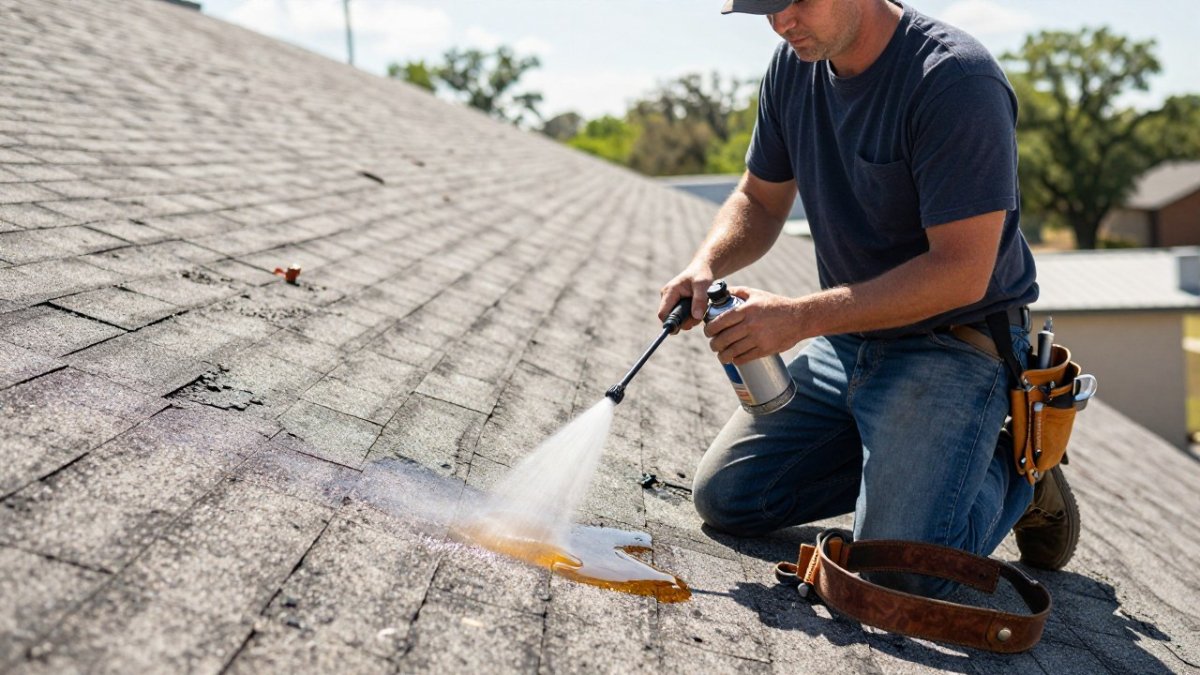
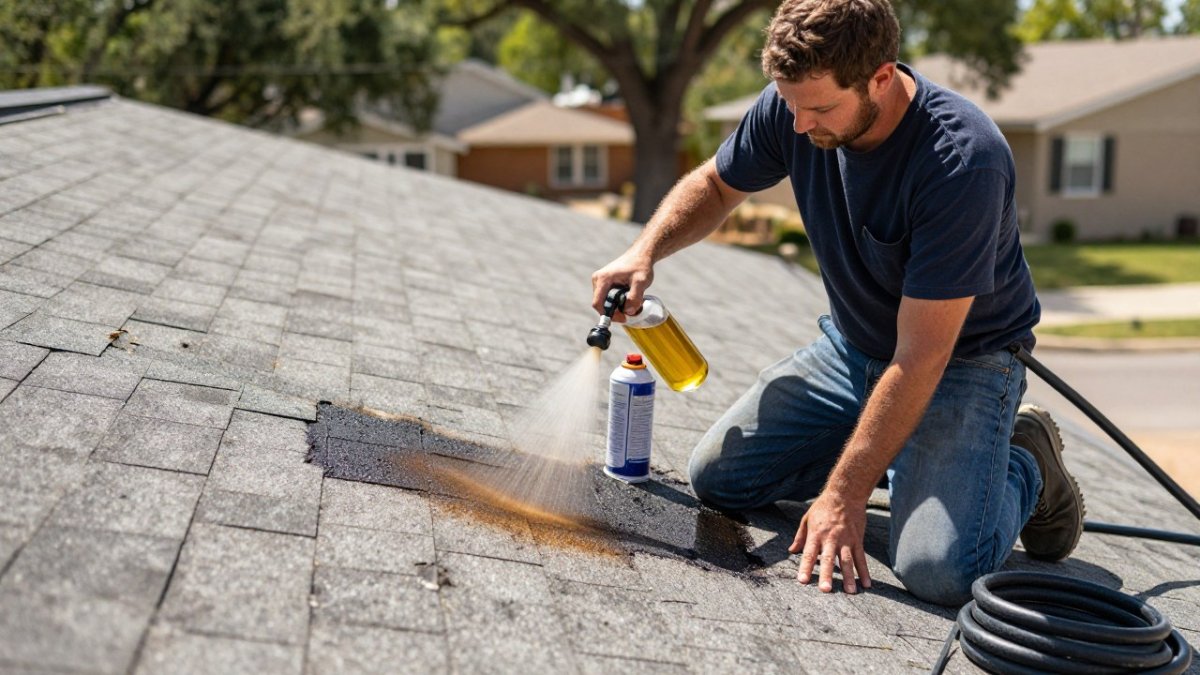
Roof rejuvenation is a treatment that sprays a plant-based solution onto aging asphalt shingles to restore some of the oils that wear away over time. This approach is offered as an alternative to full replacement for homeowners whose roofs still have structural life left. The goal is not to change the roof's structure but to make the existing shingles more flexible and less brittle.
Asphalt shingles are built from a fiberglass or organic mat coated with asphalt, then topped with mineral granules. The asphalt contains volatile oils that keep it pliable. Sun and heat draw those oils out, and the shingle gradually stiffens, cracks and sheds granules. Rejuvenation sprays aim to replace some of that lost oil content.
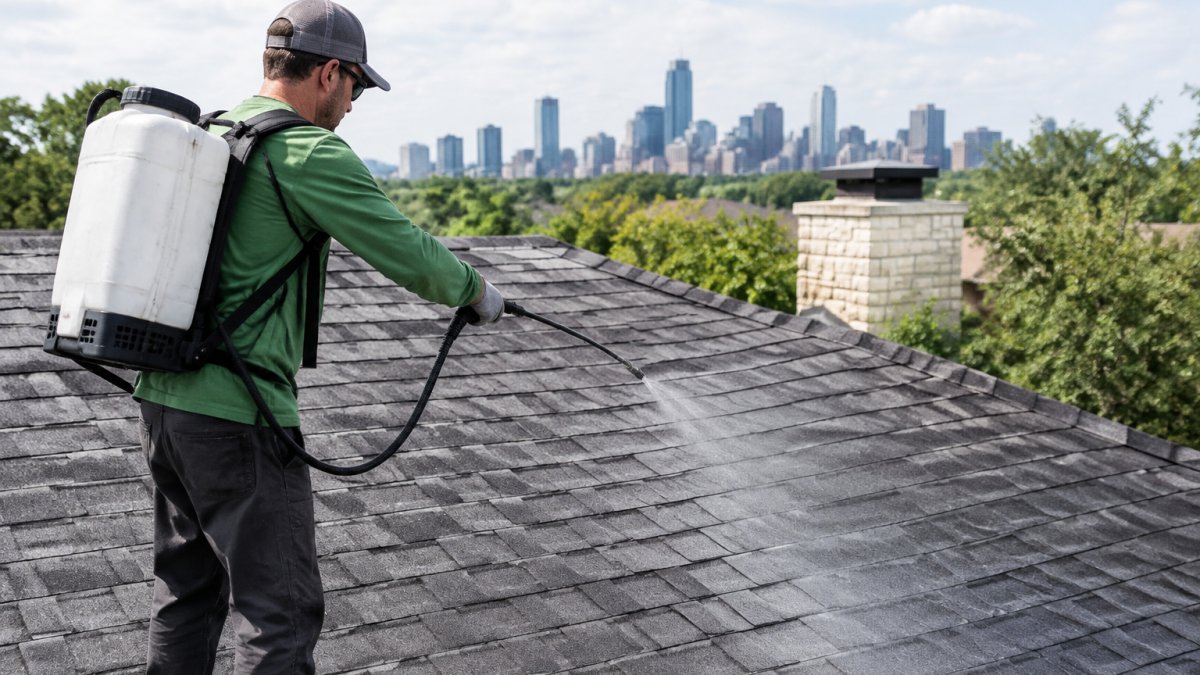
Treatment is applied as a fine mist across the roof surface. The solution soaks into the shingle and softens the asphalt layer, which can help reduce curling and improve how well the granules hold. Results depend on the condition of the shingles going in, so an inspection before treatment is important.
Oak Ridge National Laboratory research on roofing materials and aging
How Heat Ages Asphalt Shingles and What Treatment Can Restore
Heat is the dominant aging force on asphalt shingles in hot climates, and it works through three overlapping mechanisms that homeowners should understand before deciding whether treatment is worthwhile.
Volatile loss and oxidation. Asphalt used in shingles is a blend of heavy hydrocarbons plus lighter volatile fractions that keep the coating pliable. On a clear summer afternoon, dark shingle surfaces routinely reach 150°F to 170°F, and the asphalt layer just below the granules can run hotter still. Each heating cycle drives off a small amount of those volatiles and accelerates oxidation, which is the chemical cross-linking that turns flexible asphalt into a brittle, leathery film. Over 15 to 20 years of daily cycling, the shingle loses enough of its elastic fraction that it no longer expands and contracts with the deck without cracking.
UV degradation of the asphalt binder. Sunlight breaks polymer chains in the asphalt at the molecular level. The mineral granules on a new shingle are the sacrificial layer, they block most UV from reaching the asphalt beneath. Once granule loss exposes bare asphalt, UV degradation accelerates sharply, which is why granule loss and brittleness tend to compound each other rather than progress independently.
Thermal shock and deck movement. In hot climates the roof surface can swing 60°F to 80°F between mid-afternoon and pre-dawn. That daily expansion and contraction stresses the shingle-to-shingle seals and the bond between shingle and underlayment. Shingles that have lost flexibility cannot accommodate that movement, so they curl, crack at the tabs, and pull away from the sealant strips.
What treatment can and cannot restore
A rejuvenator is formulated to reintroduce a fraction of the plasticizing oils that heat and UV have driven out of the asphalt. Rejuvenation is generally intended to affect flexibility and granule retention, though results vary by roof condition. What treatment cannot do is rebuild asphalt that has oxidized past a certain point, re-adhere granules that are already gone, or repair mechanical damage such as hail bruises, wind tears, or cracked tabs. A shingle that has lost most of its asphalt layer to oxidation will not recover through spraying, no matter how the product is marketed.
Heat performance versus energy performance
These are two different claims and they should not be conflated. Restoring shingle flexibility is a durability outcome, it extends the service life of the roof surface. Lowering roof temperature or cooling bills is an energy outcome, and it depends on solar reflectance, attic insulation, and ventilation far more than on whether the shingles have been treated. Homeowners who want measurable cooling benefits should look at reflective shingle products, radiant barriers, and attic ventilation upgrades rather than expecting a rejuvenation treatment to move their utility bill.
Oak Ridge National Laboratory research on roofing materials and aging
Roof Rejuvenation Cost Compared With Full Replacement
Pricing depends on roof size, the condition of the shingles, and the scope of the work. For current prices and a quote for your home, visit the ATX Renewed Roofs pricing page or request a free estimate.
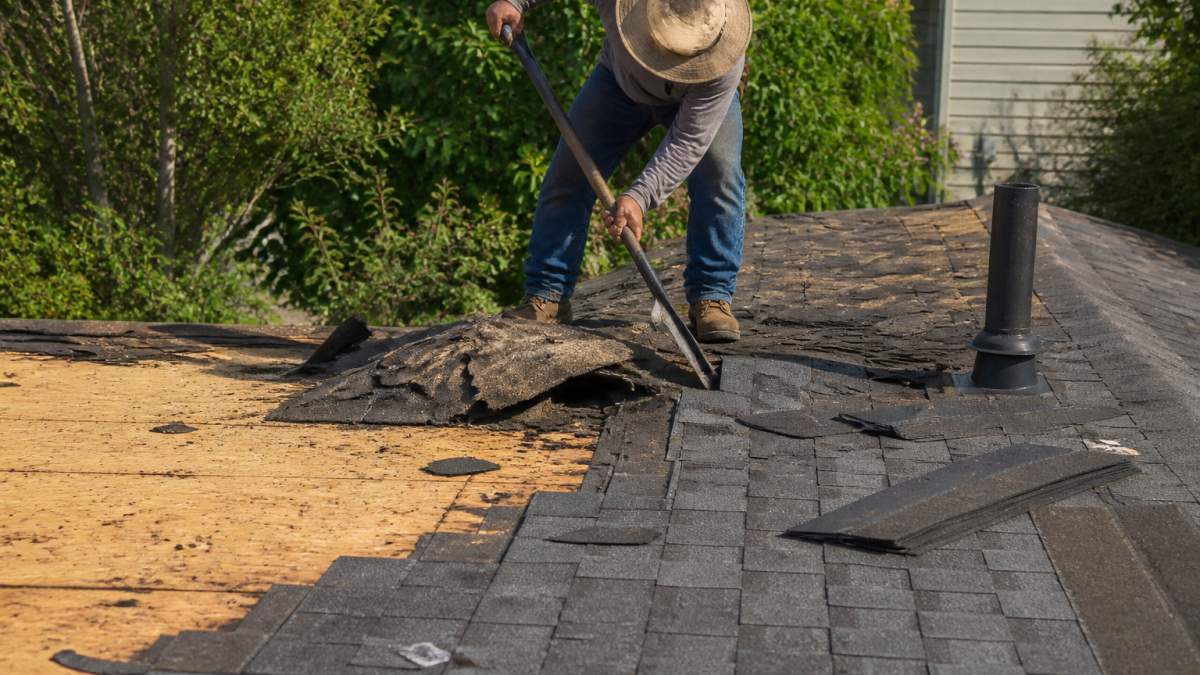
The core question is whether treatment buys useful years at a lower cost than replacement. A rejuvenation treatment makes sense when the shingles are still intact and the main problems are dryness, fading and minor curling. Replacement is generally the better option when the roof has widespread cracking, exposed felt or repeated leaks, because treatment cannot repair that damage.
Homeowners often find the comparison easiest to make by weighing the years of service each option adds. Treatment and replacement have different upfront costs and different expected service lives. A sensible approach is to get an assessment, compare the quotes side by side, and ask how many years of protection each option is expected to provide.
How Long Roof Rejuvenation Lasts in Hot, Sunny Conditions
Published lifespan claims for roof rejuvenation vary widely, and most of the variance comes down to climate, shingle condition at the time of treatment, and how the roof is ventilated. Rather than quoting a single number, it helps to understand what actually drives how long the effect lasts in a hot, sunny market.
What the evidence supports, and what it does not
Published longevity data for rejuvenation treatments varies, and independent long-term studies are limited. Independent, peer-reviewed, multi-year studies across different hot climates are scarce, and homeowners should treat any single-number lifespan claim, whether five years or fifteen, with appropriate skepticism. The honest framing is that treatment buys time, and how much time depends on the variables below.
Climate-specific variables
Hot and dry climates. High surface temperatures and intense UV drive volatile loss quickly, but low humidity means less moisture cycling through the shingle mat and fewer freeze-thaw events. The dominant failure mode is oxidation and granule loss, and the treatment effect tends to fade as the reintroduced oils weather out under continued heat exposure.
Hot and humid climates. Added moisture and biological growth (algae, mildew) put different stresses on the roof. Humidity can slow volatile loss slightly but accelerates granule dislodgement and mat deterioration, and the treatment window is narrower because the surface must be dry and within the product's specified temperature range at application.
Ventilation and attic temperature. A well-ventilated attic runs cooler, which lowers the shingle's peak temperature and slows the oxidation that erodes the treatment effect. Roofs with blocked soffit vents, inadequate ridge venting, or HVAC equipment in the attic tend to see the effect fade faster.
Shingle color and orientation. Dark shingles on south- and west-facing slopes run hottest and age fastest. Those same slopes will show the treatment effect fading first, which is why a post-treatment inspection should focus on the hottest exposures rather than averaging across the whole roof.
How to tell the effect has faded
A practical inspection looks for the same signals that indicated the roof was a candidate in the first place: shingles that no longer bend without cracking at the tabs, renewed granule loss in gutters, and curling that reappears on the hottest slopes. An inspection at the one-year mark and then annually is a sensible way to track how the shingles are holding up. For a full breakdown of what affects durability and how to maximize results, see the treatment duration guide.
The table below summarises the main factors that influence how long a rejuvenation treatment holds up in hot climates.
| Factor | Effect on treatment | Note |
|---|---|---|
| Hot, dry climate | Oxidation and granule loss dominate | Treatment effect tends to fade under continued heat |
| Hot, humid climate | Moisture and biological growth add stress | Treatment window is narrower |
| Ventilation | Cooler attic slows oxidation | Blocked vents can make the effect fade faster |
| Dark, south- and west-facing slopes | Run hottest and age fastest | Check these slopes first after treatment |
| Published lifespan claims | Independent long-term data is limited | Treat single-number claims with skepticism |
Eligibility: When a Roof Is Too Damaged for Rejuvenation
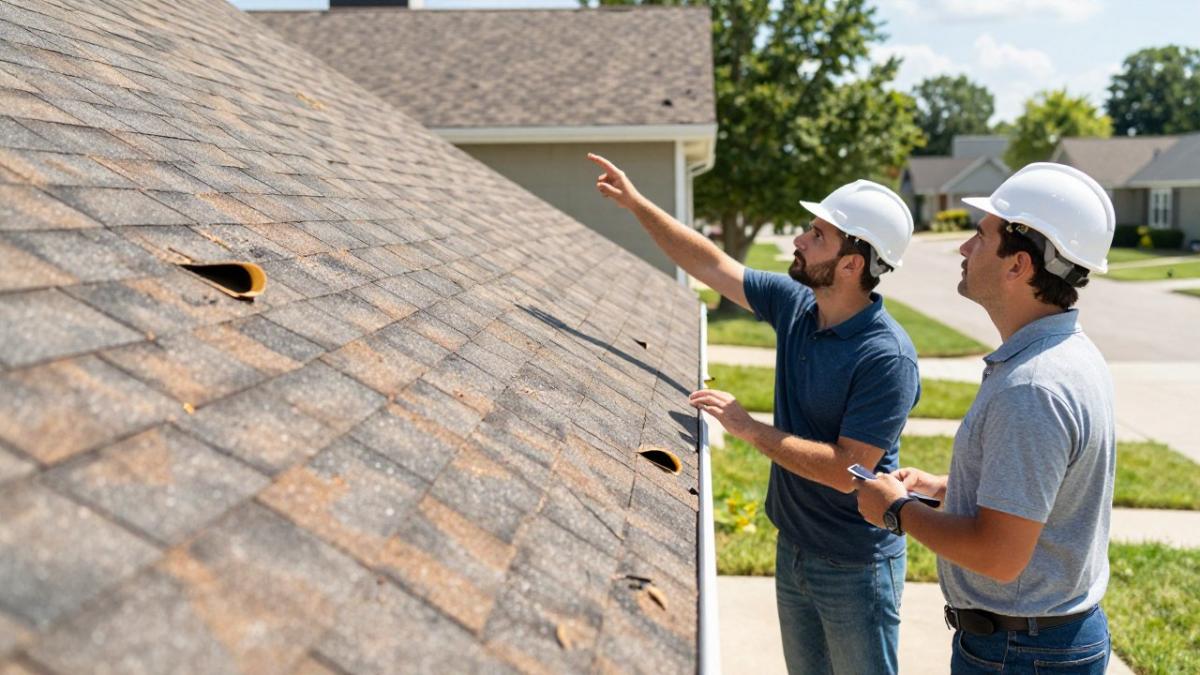
Not every roof is a candidate. Treatment works best on shingles that are dry but intact. Signs that a roof has passed the point where rejuvenation helps include:
- Widespread cracking or missing shingles
- Exposed felt or underlayment
- Active leaks or water stains on ceilings
- Severe curling that prevents the shingles from lying flat
- Granule loss so heavy that the asphalt layer is visible across large areas
If you see these signs, replacement or targeted repair is usually the right call. An honest assessment should tell you this clearly rather than selling treatment to a roof that cannot benefit from it.
!Homeowner and inspector looking up at a worn asphalt shingle roof in a sunny driveway
Cool Roof Shingles and Keeping a Roof Cool in Summer Naturally
Cool roof shingles are designed to reflect more sunlight, which lowers surface temperatures. If cooling is your priority, ask about reflective shingle options at replacement time.
Several natural steps also help. Good attic ventilation pulls hot air out, light-colored roofing and reflective coatings reduce heat absorption, and shade trees near the house lower roof temperatures. These measures work alongside treatment rather than replacing it.
Booking Your Roof Assessment in Austin
Start with an inspection. A professional look at your shingles tells you whether treatment, repair or replacement fits your roof. ATX Renewed Roofs offers a no-pressure assessment. book a roof assessment to see how the process works and what to expect.
Austin's heat is hard on asphalt roofs, but a roof that still has life left does not always need replacing. ATX Renewed Roofs helps homeowners extend the life of sound shingles with a plant-based rejuvenation spray, and we will tell you plainly when a roof has moved past treatment. For current pricing and a free estimate, get a free roof estimate today.
Frequently Asked Questions
Does roof rejuvenation actually work in hot climates?
It can, within limits. Rejuvenation restores flexibility and granule adhesion to shingles that have dried out from UV exposure, which helps them resist cracking and granule loss in heat. It does not make a roof more reflective or lower attic temperatures on its own, and it cannot reverse severe cracking, missing shingles, or structural problems. Hot-climate results depend on the roof's condition before treatment, the product used, and whether the application was done in suitable weather. A professional inspection before treatment tells you whether the roof is a good candidate.
How long does a roof rejuvenation treatment last?
Results vary with roof condition, exposure, and climate, so no single duration applies to every roof. Homeowners often plan around a multi-year extension rather than a permanent fix, and an annual inspection helps track how the shingles are holding up. Ask any provider for their written expectations and warranty terms before booking, and compare them against your own plans for the roof.
Can roof rejuvenation help asphalt shingles withstand extreme heat?
Rejuvenation can help shingles stay flexible and keep their granules longer, which supports durability under intense sun. It is not a cooling product. Reflectivity, color, attic ventilation, and insulation control how much heat reaches the living space, so a rejuvenated roof may still run hot if those factors are poor. Pairing treatment with good attic ventilation gives the best practical result in a hot climate.
What should homeowners check before choosing a roof rejuvenation treatment?
Start with an honest assessment of your roof's age and condition, including curling, cracking, missing granules, and leaks. Ask whether the product is plant-based or petroleum-based, what application conditions are required, and what the warranty covers. Get a written scope of work and a clear explanation of when the provider would recommend replacement instead. Compare the cost against the remaining life you expect from the roof.