 Ultimate guide
Roof Maintenance for Older Homes: A Complete Guide
Quick Summary
Roof maintenance for older homes means inspecting the roof each season, clearing gutters, checking attic ventilation and fixing small problems like curling shingles before they cause leaks. Catching wear early is far cheaper than waiting for a leak to appear.
- Inspect the roof at least twice a year, plus after severe weather.
- Clean gutters at least twice a year, more often under heavy tree cover.
- Check that downspouts discharge several feet from the foundation.
- Keep soffit vents clear of insulation and debris to improve attic airflow.
- Do not walk on an older roof, especially when shingles are brittle, wet or hot.
Table of Contents
- Roof Maintenance for Older Homes Matters More Than You Think
- Older Roof Inspection Checklist: What to Check Each Season
- How to Fix Curling Roof Shingles Before They Fail
- Asphalt Shingle Roof Maintenance: Gutters, Ventilation, and Drainage
- Maintenance by Roofing Material and Historic Preservation Rules
- Roof Maintenance for Older Homes Cost and Budget Priorities
- Booking Your Roof Inspection and Choosing the Next Step
- Frequently Asked Questions
Roof Maintenance for Older Homes Matters More Than You Think
Last Updated: November 8, 2026
Most homeowners with a roof past 15 years old wait until a leak appears before thinking about roof maintenance.
Asphalt shingles lose granules, flexibility and oil over time.
A full replacement is the most expensive option, so it makes sense to delay it while the roof is still performing.
Delaying gutter cleaning can contribute to premature shingle damage on older homes.
Older Roof Inspection Checklist: What to Check Each Season
A useful inspection schedule follows the seasons: spring reveals winter damage, summer exposes heat stress, fall is the time to clear debris before winter, and a winter check after major storms catches anything hidden.
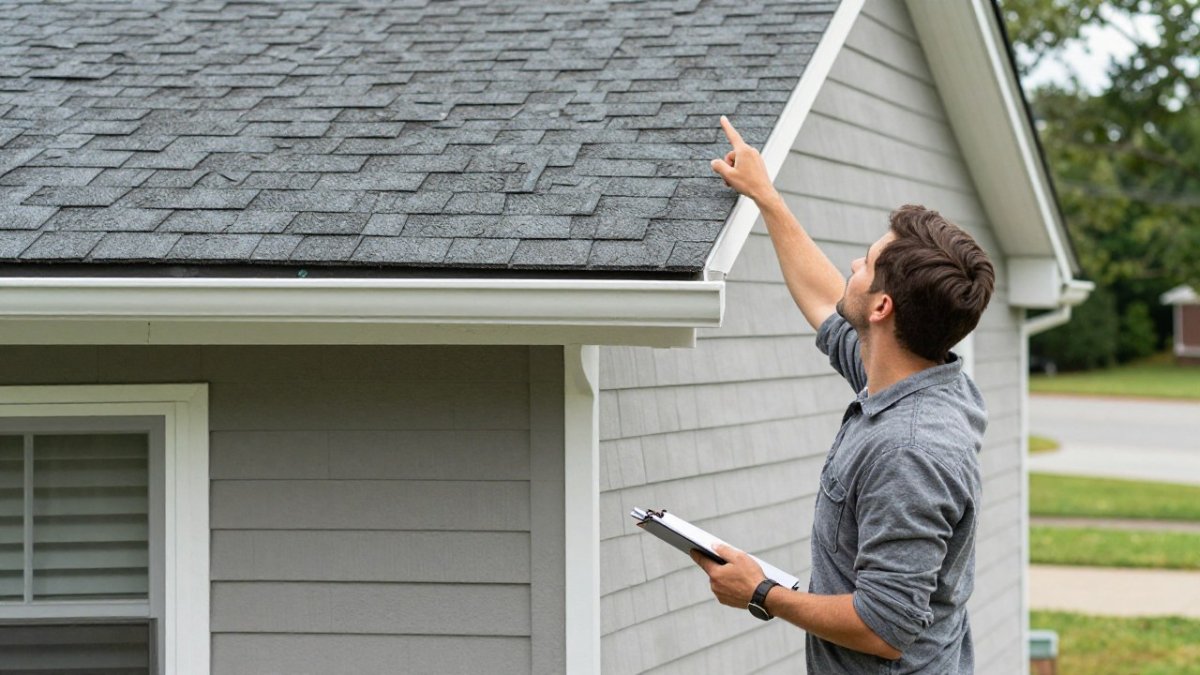
Use this checklist each season:
- Look for curling, cupping or clawed shingle edges
- Check for missing, cracked or bald shingles
- Inspect granule loss in gutters and at downspout outlets
Pay particular attention to the attic on older homes. Daylight through roof boards, dark staining on the underside of decking, or a musty smell often indicates a long-developing problem.
Safe Inspection Boundaries: What You Can Check From the Ground
Most of a seasonal inspection can be done safely from the ground with binoculars: missing shingles, sagging ridgelines, displaced flashing and granule buildup in the gutters.
Do not walk on the roof of an older home, especially when shingles are brittle or the surface is wet, steep or hot.
The article's seasonal checklist can be summarised as a quick reference for what to look for and how often.
| Check | Frequency | Why it matters |
|---|---|---|
| Inspect roof | At least twice a year, plus after severe weather | Catches wear before leaks |
| Curling, cupping or clawed shingle edges | Each season | Signals loss of flexibility |
| Gutter and downspout drainage | Each season | Prevents water seeping under shingles |
| Flashing sealant around chimneys, vents, skylights | Each season | Lifted or cracked sealant lets water in |
| Attic decking and rafters | After rain | Water stains or damp insulation reveal hidden leaks |
| Overhanging tree limbs | Each season | Limbs can damage the roof surface |
How to Fix Curling Roof Shingles Before They Fail
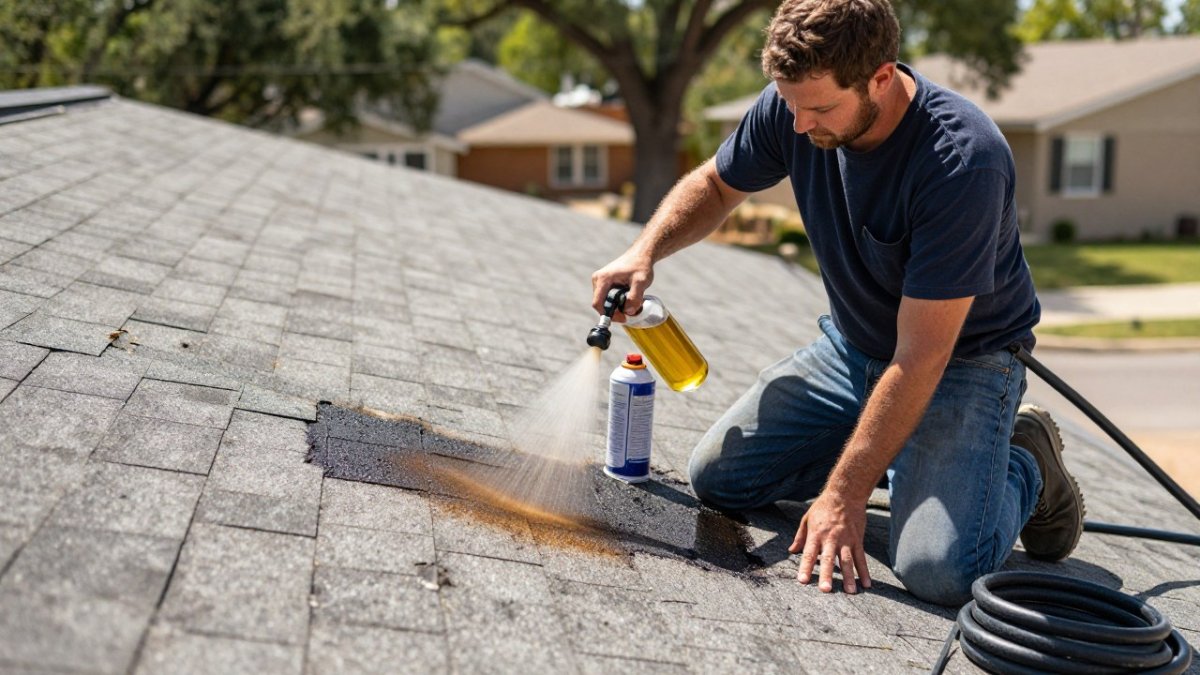
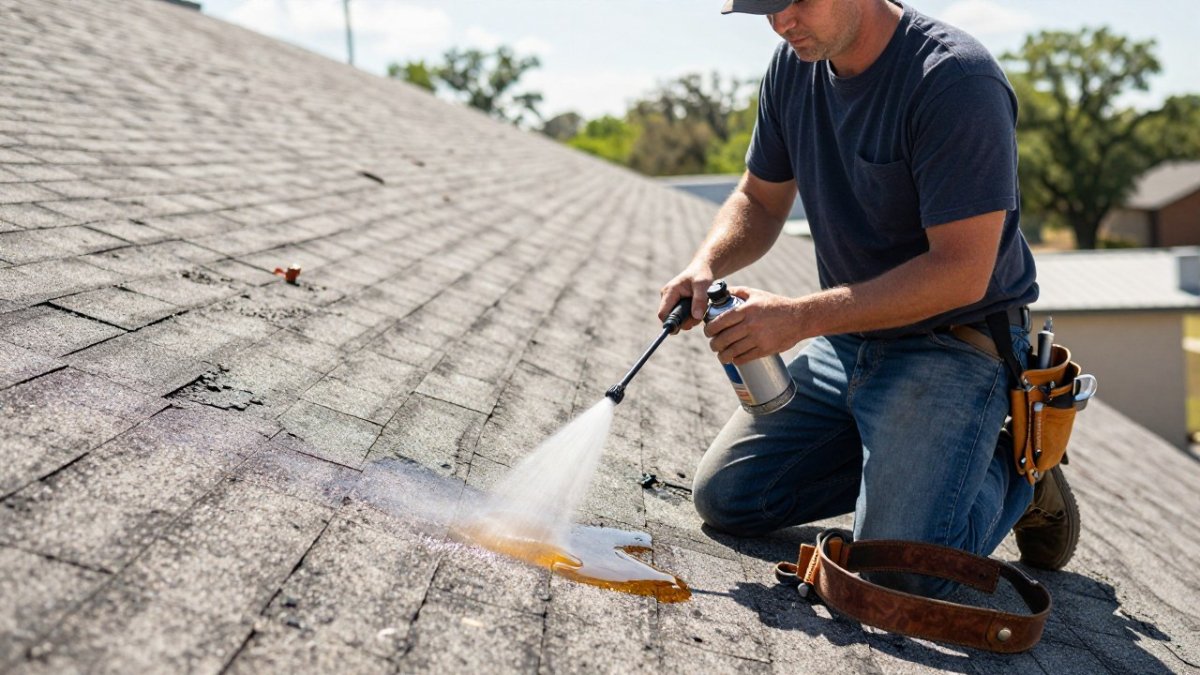
Curling shingles are one of the most visible signs of age, and often fixable if caught early. Curling happens when the shingle loses flexibility and the edges lift away from the roof deck. Learn how to fix curling roof shingles with step-by-step instructions, tools needed, and when to call a professional.
For minor curling, a general repair sequence looks like this:
- Confirm the shingle is not cracked or missing granules to the point of exposing the mat. If it is, replacement is the better option.
- Gently warm the shingle with a heat gun on low to make it pliable, without blistering the surface.
- Apply a dab of roofing cement under the lifted edges, then press the shingle down firmly.
- Place a few nails with the correct head-type and length, and cover the nail heads with roofing sealant.
- Recheck the repair after the next hot day to confirm it has held.
Work in cool, dry conditions, and avoid stepping on shingles while they are warm. When more than a handful of shingles are curling, the underlying cause, usually ventilation or age, needs attention; fixing shingles without addressing it tends to produce new curling nearby.
Asphalt Shingle Roof Maintenance: Gutters, Ventilation, and Drainage
Gutters and downspouts are the quiet workhorses of roof maintenance. Clogged gutters overflow, soaking fascia boards and allowing water to run behind them.
Ventilation is the other major factor. Attics on older homes often have too little intake at the soffits or too little exhaust at the ridge.
Drainage problems also show up at valleys and around chimneys. Look for debris, pooling or staining where the roof planes meet and where flashing meets masonry.
Maintenance by Roofing Material and Historic Preservation Rules
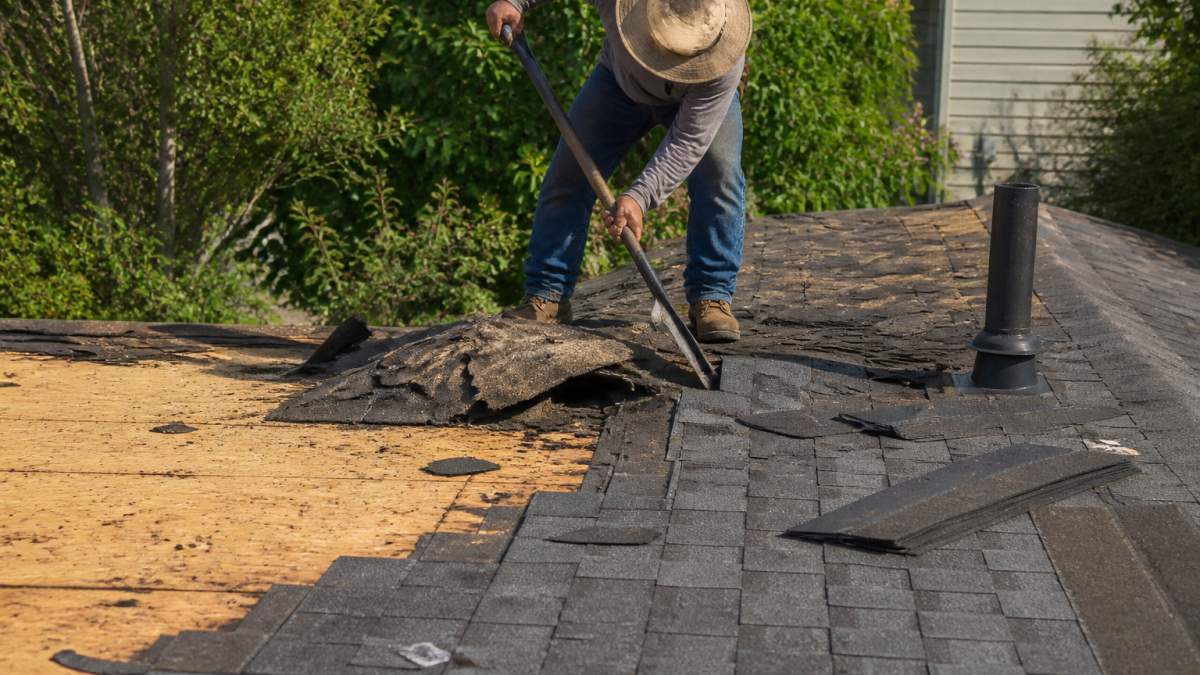
Maintenance depends on what the roof is made of, and on an older home the material often predates modern installation standards. Asphalt shingles are the most common covering, but many houses still carry wood shakes, clay or concrete tile, slate, or older metal. Each has different weak points, failure modes, and things you must never do to it.
Slate
Slate is the longest-lived roofing material on older homes, often lasting a century or more when the original installation was sound. Its weakness is handling: slate becomes brittle with age, and a single misplaced step can crack a course that has survived a hundred winters. Never walk a slate roof in cold weather, and never let anyone without slate experience on it.
Wood Shingles and Shakes
Wood roofs fail from moisture, not sun. The classic problems are moss growth, rot at the butt ends, and cupping as the wood dries unevenly. Keep the roof clear of leaf litter and debris in the valleys and behind chimneys, because trapped debris holds moisture against the wood. A gentle cleaning with a soft brush and a commercial wood-roof cleaner is appropriate; a pressure washer is not, because it erodes the soft grain and forces water under the shakes.
Clay and Concrete Tile
Tile is durable but fragile underfoot. The tiles themselves may last decades, but the underlayment beneath them has a service life of roughly 20 to 30 years, and on an older home it is often the real roof. Maintenance means keeping foot traffic off the field of tile, checking after storms for cracked or displaced pieces, and watching for granules or debris in the gutters that signal underlayment breakdown.
Older Metal Roofs
Metal roofs on older homes are usually standing-seam, corrugated, or soldered flat-seam panels. The panels often outlast everything else, but the fasteners and seams are the failure points: exposed fasteners back out, washers dry and crack, and seams open as the metal expands and contracts. Check fastener heads and seam lines annually, and replace failed washers rather than coating over them.
Historic Preservation Rules
Historic homes may fall under local preservation rules, and the rules vary by district. Some restrict changes to visible roofing materials, colors, or profiles even for repairs; others require review only for full replacement. Before replacing materials on a designated property, check with the local historic preservation office and confirm whether the property is in a locally designated district or listed on a state or national register.
Roof Maintenance for Older Homes Cost and Budget Priorities
Roof costs vary widely with material, roof size, pitch, access, and scope of work, so no article can give you a firm number. What it can give you is a framework: realistic ranges for common repairs, an urgency tier for each, and a way to sequence spending so a small budget protects the largest area. Use the ranges below to sanity-check quotes, not to replace a site-specific estimate.
Typical Repair Cost Ranges
These are broad national ranges for common older-home repairs. Local labor rates, roof height, and material availability move the number up or down.
Urgency Tiers
Sort every item on your inspection list into one of three tiers, and spend in that order.
Tier 1, stop the water now. Active leaks, missing shingles over living space, failed flashing, and any sign of soft decking.
Tier 2, protect the edges. Gutter and downspout repairs, valley debris removal, and re-securing loose ridge or edge shingles.
Tier 3, extend the life. Ventilation improvements, preservation treatments on sound wood or asphalt, and cosmetic repairs.
A Simple Maintenance Budget
Setting aside a regular maintenance reserve for inspections, gutter cleaning, and small repairs can help spread out the cost of roof upkeep, and treating urgent leaks as emergencies keeps small problems from growing.
Repair Versus Replace
The decision usually comes down to three questions. How much of the roof is affected? If repairs are needed across a substantial portion of the surface, replacement is usually the better value. How old is the roof relative to its expected service life? Asphalt shingles typically last 20 to 25 years, so a 22-year-old roof with widespread problems is near the end.
Booking Your Roof Inspection and Choosing the Next Step
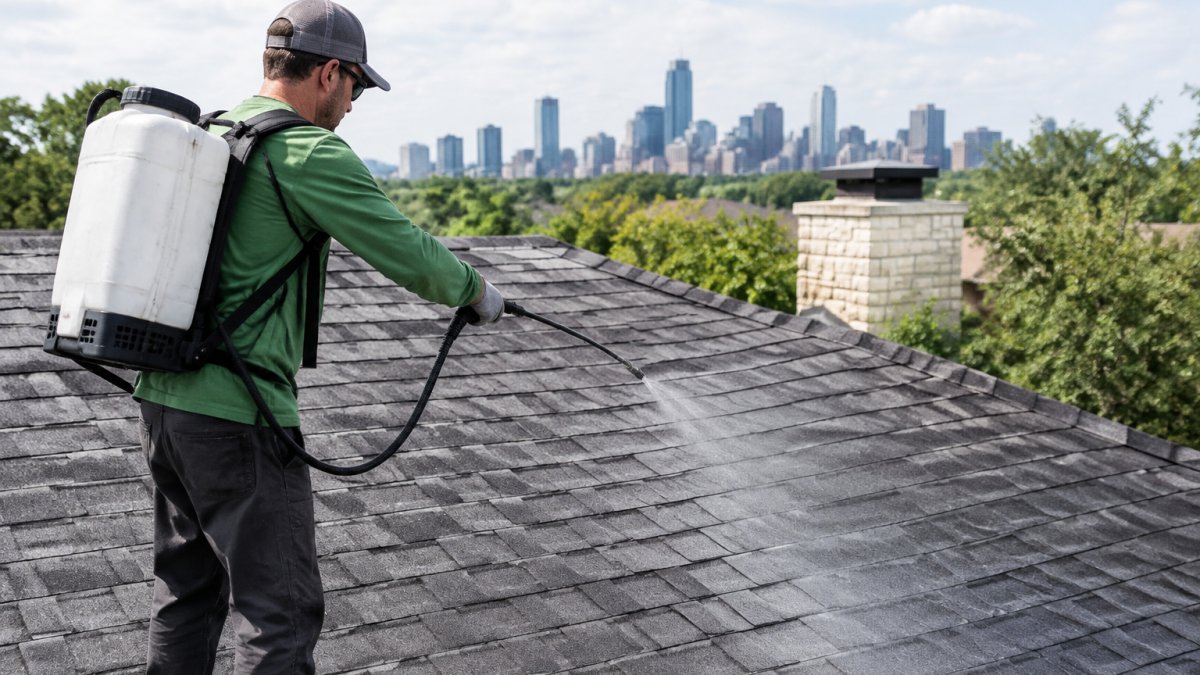
If your roof is between 15 and 20 years old and showing curling, granule loss or staining, a professional inspection is a sensible next step. Learn how to get a roof inspection in seven steps, including what inspectors look for. ATX Renewed Roofs offers transparent, no-pressure service. Its plant-based rejuvenation spray is designed to restore flexibility and extend the life of sound asphalt shingles.
Ready to get a clear picture of your roof's condition? Get a free estimate today from ATX Renewed Roofs and find out your options before the next storm season.
Frequently Asked Questions
How often should you inspect the roof on an older home?
Inspect the roof at least twice a year, once in spring and once in fall, and after any severe storm. Older homes with 15 to 20 year old asphalt shingles benefit from closer attention because granule loss, curling, and sealant failure accelerate with age. Check the attic after heavy rain for water stains or daylight through the decking. A quick ground-level look after each Austin hailstorm or high-wind event can catch damage early, when a small repair is still inexpensive.
What roof problems are common in older homes?
The most common problems are curling or cupping shingles, missing or bald patches where granules have worn away, cracked or lifted flashing around chimneys and vents, clogged gutters that back water under shingles, and deteriorated sealant at roof valleys. Older homes often also have attic ventilation that is inadequate, which traps heat and shortens shingle life. Many of these issues start small and are easy to address if caught during a routine inspection.
How can you tell if old asphalt shingles need repair or replacement?
Repair is usually the right call when damage covers less than about 20 percent of the roof, when shingles are curling but still pliable, and when the decking underneath is sound. Replacement becomes more likely when shingles are brittle and crack when lifted, when granule loss exposes the mat across large areas, when multiple layers already exist, or when leaks appear in several rooms. An honest assessment from a qualified roofer, with photos and a written explanation, helps you decide without pressure.
Can curling roof shingles be repaired?
Yes, in many cases. Mild curling on pliable shingles can often be flattened and resealed with roofing cement applied under the lifted tabs, following manufacturer guidance. Shingles that are severely cupped, brittle, or cracked usually need to be replaced individually, which requires matching the existing product as closely as possible. If curling affects a large share of the roof, repair may only delay the problem, so compare the expected remaining life with the cost of a full replacement.
How do you maintain an older roof without damaging it?
Avoid walking on the roof whenever possible, since older shingles are fragile and can crack under foot traffic. Use soft-soled shoes if you must go up, work only in dry, mild weather, and never pressure-wash shingles, which strips granules. Trim overhanging tree branches so they do not rub or drop debris onto the surface. Clear gutters and downspouts twice a year. For any work that requires climbing or rooftop access, hire a licensed, insured roofing contractor.
How much does roof maintenance for an older home cost?
Costs vary widely based on roof size, pitch, material, accessibility, and the condition of the roof. Routine inspections, gutter cleaning, and minor sealant work are typically the lowest-cost items, while replacing damaged shingles, repairing flashing, or addressing ventilation problems costs more. Pricing depends on local labor rates, the scope of work, and how much access the crew needs. Request itemized written estimates from several contractors so you can compare scope rather than just total price, and prioritize repairs that prevent water intrusion first.
When should you call a roofing professional for an older roof?
Call a professional after any leak, after storm damage, when you see sagging or soft spots in the roof deck, or when more than a few shingles are missing or curling. Do not climb onto a steep or fragile roof yourself. A professional can also advise whether a repair preserves the roof's remaining life or whether replacement makes more sense, and can document conditions for insurance claims. Look for contractors who provide photo-based findings and clear, no-pressure recommendations.