 Ultimate guide
Is Roof Rejuvenation a Scam? What Austin Homeowners Should Know
Quick Summary
Roof rejuvenation is not automatically a scam, but it is not a universal fix either. It is a spray-on oil treatment for aging asphalt shingles that may extend the life of a roof that still has structural integrity, and it is a scam mainly when a provider overpromises or pressures you.
- Ask for the product data sheet, safety data sheet, and manufacturer name before agreeing to anything.
- Treatment should follow a roof inspection and cleaning, not replace them.
- Be wary of guarantees of extra years without inspection, same-day pressure, or large upfront deposits.
- Rejuvenation cannot fix active leaks, rotted decking, or widespread granule loss.
- Compare itemized quotes by annualized cost per year of service life, not the headline price.
Table of Contents
- What Roof Rejuvenation Is and How the Treatment Works
- Is Roof Rejuvenation a Scam, Legitimate, or a Gimmick?
- What Roof Rejuvenation Can and Cannot Fix
- Roof Rejuvenation Cost Compared With Full Replacement
- Expected Roof Rejuvenation Lifespan and Performance Over Time
- Roof Rejuvenation Reviews and Complaints: Red Flags to Watch For
- Checking Your Roof Before Booking or Trying a DIY Roof Rejuvenation Spray
- Frequently Asked Questions
Is Roof Rejuvenation a Scam? What Austin Homeowners Should Know
Last Updated: November 7, 2026
What Roof Rejuvenation Is and How the Treatment Works
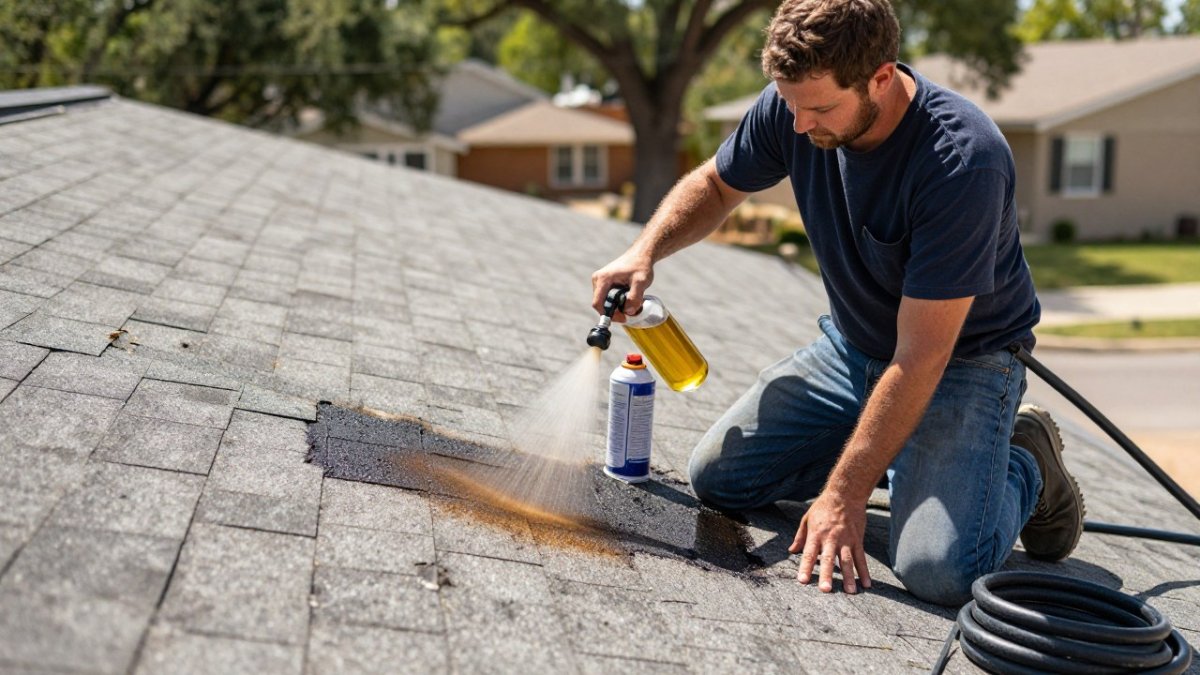
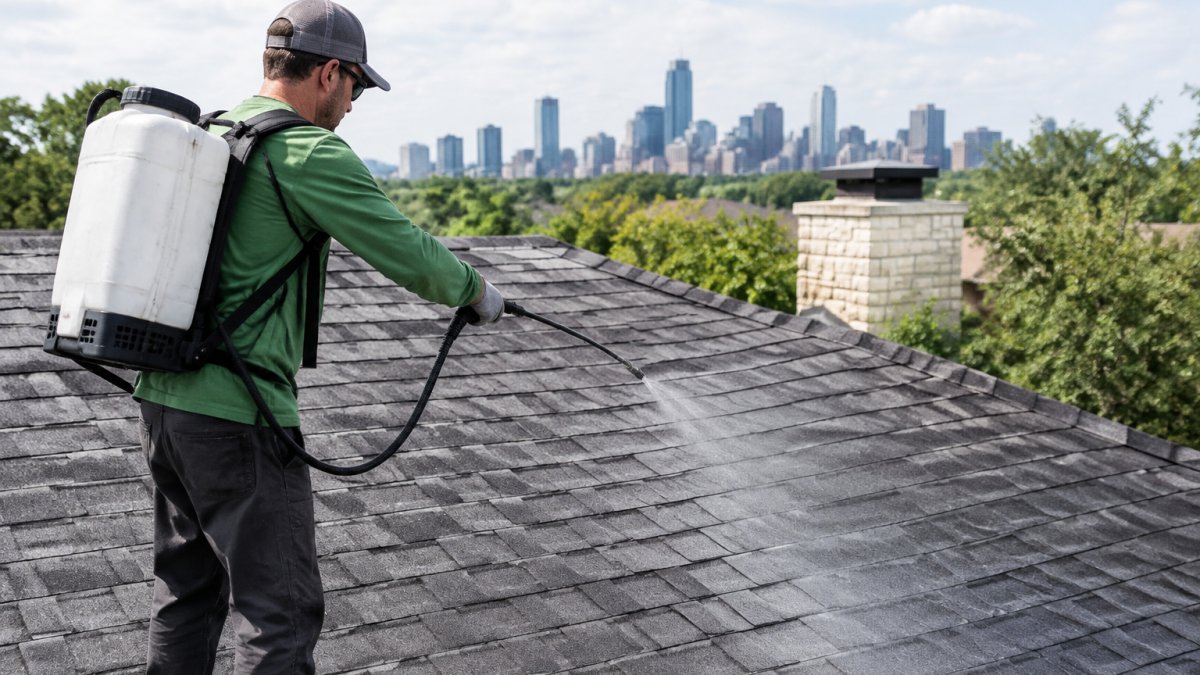
Roof rejuvenation is a spray-on treatment that applies a plant-based oil blend to aging asphalt shingles. Homeowners considering this approach as a lower-cost alternative to tear-off replacement are asking a core question: does it deliver what it promises, or is it an expensive gimmick? The short answer is that the idea has a plausible mechanism, but the claims need scrutiny.
Asphalt shingles lose flexibility over time. The oils that keep the asphalt pliable slowly evaporate and oxidize under sun exposure, which is why older roofs curl, crack, and shed granules. Rejuvenation products aim to replace some of those lost oils so the shingle becomes more flexible again.
The science is not fully settled. Independent long-term field data on these specific products is limited, so anyone selling this treatment should be able to show documentation rather than rely on testimonials alone.
Is Roof Rejuvenation a Scam, Legitimate, or a Gimmick?
Roof rejuvenation is not automatically a scam, but it is not a universal fix either. The label depends almost entirely on what a provider promises and how they sell it. A company that says treatment restores a failing roof to new condition is overselling. A company that says treatment may extend the service life of a roof that still has structural integrity is describing a more modest, defensible claim.
The honest way to judge any offer is to separate three things that get blurred together in sales pitches: the product, the process, and the promise.
The product. Legitimate rejuvenation products are typically plant-oil-based blends formulated for asphalt shingles. A real provider should be willing to hand you a product data sheet and a safety data sheet (SDS), name the manufacturer, and explain what the product is and is not designed to do. If the product is unnamed, sold only as a "proprietary blend," or described with vague claims about "restoring oils," treat that as a warning sign rather than a technical detail.
The process. Treatment should follow an inspection and a cleaning. A provider who sprays a roof without first walking it, checking the attic, and documenting condition is skipping the step that determines whether treatment is appropriate at all. Ask what happens to flashing, vents, and penetrations during application, and how overspray is controlled.
The promise. This is where scams live. Watch for these red flags:
- Guarantees that promise a specific number of extra years without inspecting the roof first
- Pressure to sign the same day or to pay a large deposit before any assessment
- Refusal to provide product data sheets or independent test references
- Claims that the treatment replaces the need for repairs to leaks, flashing, or damaged decking
- A price that changes dramatically after a "today only" discount is introduced
- Door-to-door solicitations after a hailstorm or high-wind event, when urgency is highest
Consumer protection agencies such as the Federal Trade Commission publish guidance on deceptive home-improvement sales practices, and it is worth reading before signing anything (Buyer’s Remorse: The FTC’s Cooling-Off Rule May Help). You can review it at FTC guidance on home improvement contracts. Many states also license or register home-improvement contractors and require written contracts with cancellation rights; check your state attorney general's consumer protection office for the rules that apply where you live.
A legitimate provider will welcome verification. Ask for the manufacturer's name and product literature, the contractor's license or registration number, proof of insurance, and at least a few references from roofs similar in age and condition to yours. Then call the manufacturer to confirm the contractor is authorized to apply the product and that the warranty will be honored. A provider who cannot survive that five-minute check is not offering a service worth buying.
None of this means every rejuvenation offer is a scam. It means the burden of proof sits with the seller, and a homeowner who asks for documentation, an inspection, and a written scope of work will quickly separate a real service from a pitch.
What Roof Rejuvenation Can and Cannot Fix
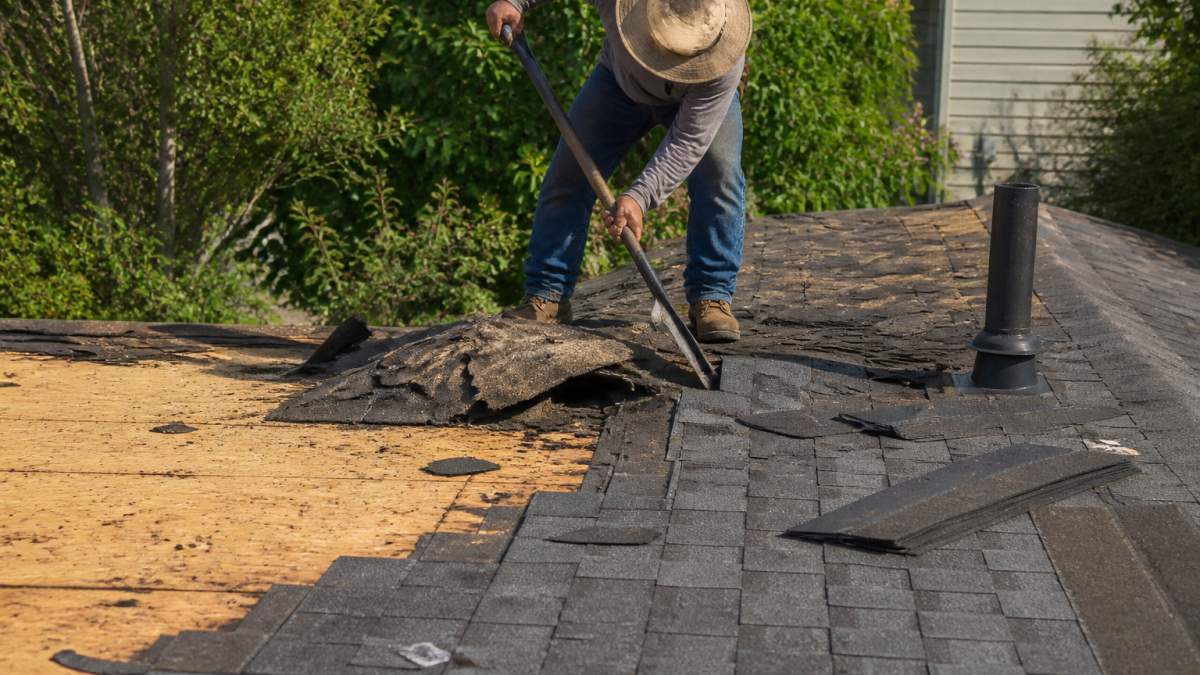
Rejuvenation may help with surface-level aging, but it is not a fix for every roof, and results depend on the roof's condition. It cannot repair a roof with active leaks, rotted decking, widespread granule loss down to the mat, or damaged underlayment. Those problems require direct repair or replacement.
A useful rule is to ask whether the shingles still lay flat and hold their seal. If they do, rejuvenation may be a reasonable option. If shingles are cracked through, missing in sections, or buckling over the attic, the roof needs repair first and rejuvenation later, if at all.
Roof Rejuvenation Cost Compared With Full Replacement
Pricing depends on roof size, pitch, condition, and the specific product used. For current pricing, check the ATX Renewed Roofs website or request a free estimate. What you can do is insist on an itemized estimate for each option and compare them line by line, because the totals alone hide where the money actually goes.
When comparing, look at what each quote covers:
- Rejuvenation: inspection, cleaning, product, application labor, and any warranty terms
- Repair: diagnosis, materials, labor, and whether the repair is a patch or a longer-term fix
- Replacement: tear-off, disposal, underlayment, new shingles, flashing, and permit fees
A useful way to frame the decision is cost per year of service life, not the sticker price. Compare rejuvenation and replacement on cost and lifespan to see transparent guidance on when each option makes sense. If a treatment costs a fraction of replacement and buys several additional years on a roof that still has life left, the annualized cost can be attractive. If the roof is near the end of its service life, the same treatment buys little time and the annualized cost climbs toward replacement anyway. Ask each provider to state, in writing, the expected service life their price assumes and what conditions would shorten it.
Several variables move quotes more than homeowners expect:
- Roof size and pitch. Steep roofs and complex rooflines with valleys, dormers, and multiple penetrations take longer to treat and to replace.
- Condition. A roof that needs minor repairs before treatment will carry those costs on top of the treatment price.
- Access and landscaping. Tight lots, tall trees, and delicate plantings can add protection and cleanup labor.
- Permits and disposal. Replacement typically carries permit fees and dumpster or disposal costs that treatment does not.
- Warranty terms. A warranty that requires annual paid maintenance is not the same value as one that does not.
Watch out: a quote that bundles treatment, repairs, and a warranty into one number without breaking out labor, materials, and fees makes it impossible to compare against a competitor or to know what you are actually paying for.
Replacement remains the right choice for roofs past their useful life. Rejuvenation makes financial sense mainly when it defers a large expense for a meaningful number of years on a roof that still has life left. Get at least two itemized quotes, ask each provider to justify their expected service life, and compare the annualized cost rather than the headline price.
The article breaks down what each quote should cover and what moves the price.
| Option | What the quote covers | Watch for |
|---|---|---|
| Rejuvenation | Inspection, cleaning, product, application labor, warranty terms | Warranty that requires paid annual maintenance |
| Repair | Diagnosis, materials, labor | Patch versus longer-term fix |
| Replacement | Tear-off, disposal, underlayment, shingles, flashing, permits | Permit and disposal costs treatment does not carry |
Expected Roof Rejuvenation Lifespan and Performance Over Time
Results vary by climate, shingle type, prior maintenance, and how far the aging has progressed. Learn how long roof treatment typically lasts and which factors affect durability. Ask any provider for their own documented expectations and what conditions would shorten them.
Neglecting those basics can erase whatever the treatment gained.
Roof Rejuvenation Reviews and Complaints: Red Flags to Watch For
Read reviews critically. Look for specifics such as roof age, shingle type, and what was actually done, and be wary of a provider whose reviews are uniformly glowing or whose complaints go unanswered.
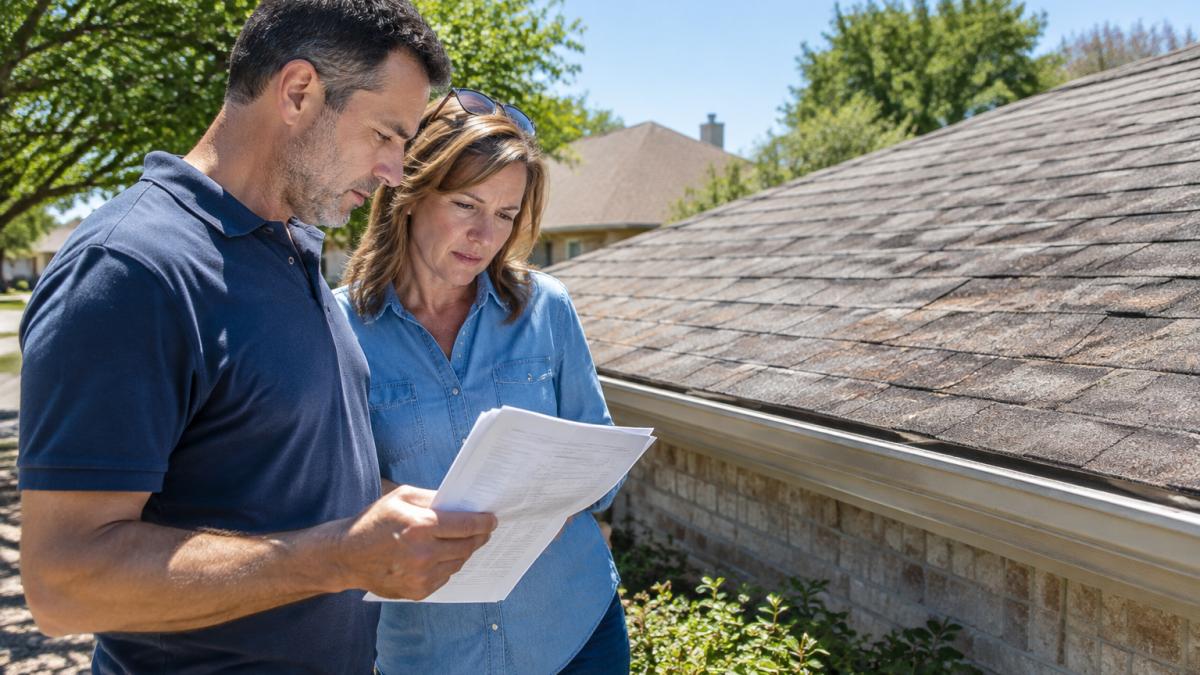
A homeowner reviewing a printed contractor estimate beside an older asphalt shingle roof in an Austin driveway, with faded granules visible under bright sun.
Checking Your Roof Before Booking or Trying a DIY Roof Rejuvenation Spray
Before booking any professional service or buying a do-it-yourself spray, inspect your roof. Learn how to get a roof inspection in seven steps, including what inspectors look for and what it costs. Check for active leaks in the attic, cracked or missing shingles, exposed nail heads, granules collecting in gutters, and sagging areas. These findings determine whether rejuvenation is a candidate at all.
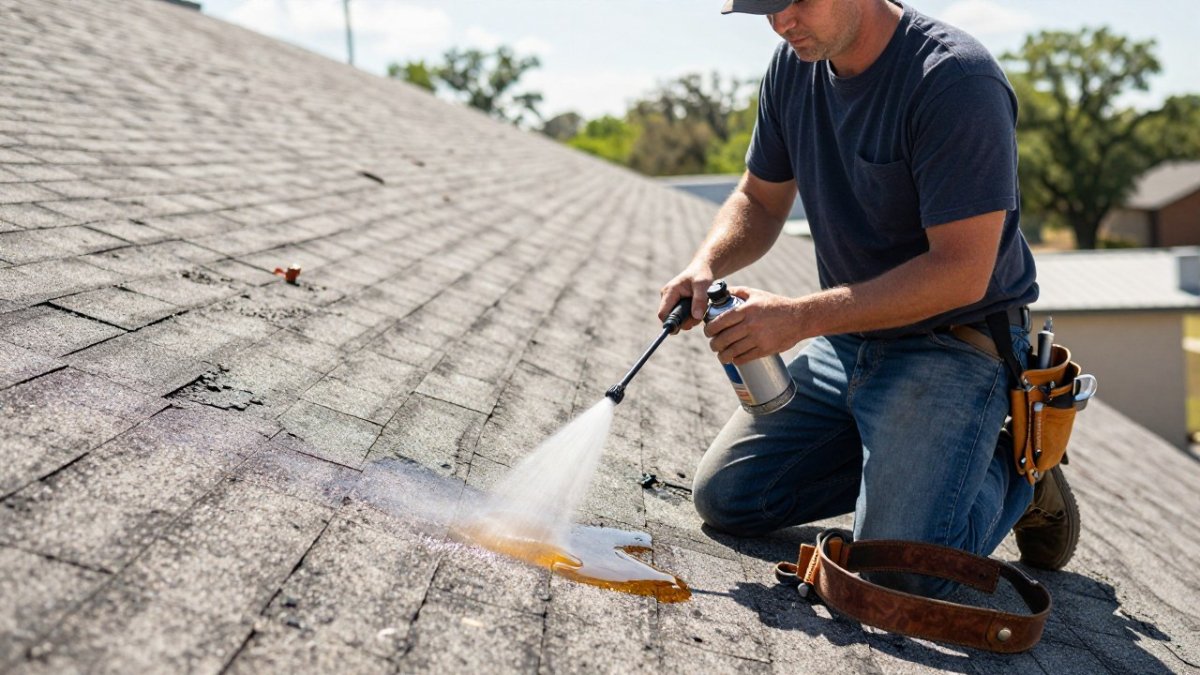
DIY sprays are cheaper upfront but carry risks. Improper application can cause uneven coverage, staining, or voided manufacturer warranties, and working on a roof creates fall hazards. If you are unsure, a professional inspection costs far less than a failed treatment or an unnecessary replacement.
Questions to ask any provider:
- Will you inspect the roof and explain what you find before treating anything?
- What exactly does the warranty cover, and for how long?
- Can you provide product data and independent performance references?
- What would you advise if my roof needs replacement instead?
Honest providers will answer these plainly. Hesitation or evasion is itself useful information.
Get a free estimate from ATX RENEWED ROOFS to see whether your roof is a good candidate for treatment or whether it needs a different path.
Frequently Asked Questions
Does roof rejuvenation actually work?
Roof rejuvenation products are marketed to restore flexibility to aging asphalt shingles by replenishing oils that weather out over time. It does not repair physical damage such as holes, torn shingles, or failed flashing, and results depend heavily on the roof's condition at treatment. Independent testing of any specific product is the best evidence to request. Ask any provider for documented results, a written warranty, and a clear explanation of which roof conditions the treatment will not address before you commit.
What is the average cost of roof rejuvenation compared with replacement?
Pricing depends on roof size, pitch, condition, and location, so no single figure applies to every home. Ask for an itemized written estimate that shows the treatment cost, any prep or repair work, and the cost of full replacement for comparison. Compare the price against the remaining service life you realistically expect, not just the upfront number. For current pricing, check ATX Renewed Roofs' website or request a free estimate.
How can I tell whether a roof rejuvenation provider is making misleading claims?
Watch for guaranteed lifespan extensions with no inspection, pressure to sign the same day, and claims that the treatment fixes leaks or replaces a roof. Legitimate providers inspect first, explain what the treatment cannot do, and put their warranty terms in writing. Confirm any contractor is licensed and insured for roofing work where you live, and be cautious of any company that will not share product testing or customer references.
Is DIY roof rejuvenation spray safe or effective?
DIY sprays vary widely in formulation and quality, and most lack independent performance data. Applying a product to a roof also carries fall risk, so weigh that against any savings. Before using one, confirm the product's application instructions, check that it is compatible with your shingle type and any existing warranty, and consider having a professional inspect the roof first. Professional application is generally the safer route for a roof already showing wear.