 Comparison
Are Roof Rejuvenation Alternatives Worth the Cost?
Quick Summary
Roof rejuvenation alternatives include targeted repairs, replacing only damaged slopes, or a partial reroof, and they make sense when the roof is structurally sound with years of service left. Rejuvenation sprays only suit shingles that are stiff or faded, not cracked, leaking, or near the end of their life. A professional inspection is the reliable way to decide which option fits your roof.
- Rejuvenation restores flexibility to aging asphalt shingles but does not fix leaks or replace damaged shingles.
- Compare quotes in squares, where one square equals 100 square feet of roof surface.
- Rejuvenation delays replacement rather than eliminating it, so its true cost includes the eventual replacement.
- Many treatment warranties require professional application, so DIY spraying may void coverage.
- Ask for documented before-and-after case studies and treat lifespan claims without evidence as marketing.
Table of Contents
- What Roof Rejuvenation Is and How the Treatments Are Applied
- Roof Rejuvenation Versus Roof Replacement: Cost and Lifespan Compared
- Comparing Oil-Based, Soy-Based, Corn Oil and Acrylic or Silica Treatments
- Best DIY Roof Rejuvenation Spray Options and Their Limits
- Reviews, Complaints and Warranty Exclusions to Check
- When Rejuvenation Is Inappropriate and Other Alternatives to Consider
- Booking a Free Roof Assessment Before You Choose
- Frequently Asked Questions
What Roof Rejuvenation Is and How the Treatments Are Applied
Last Updated: November 17, 2026
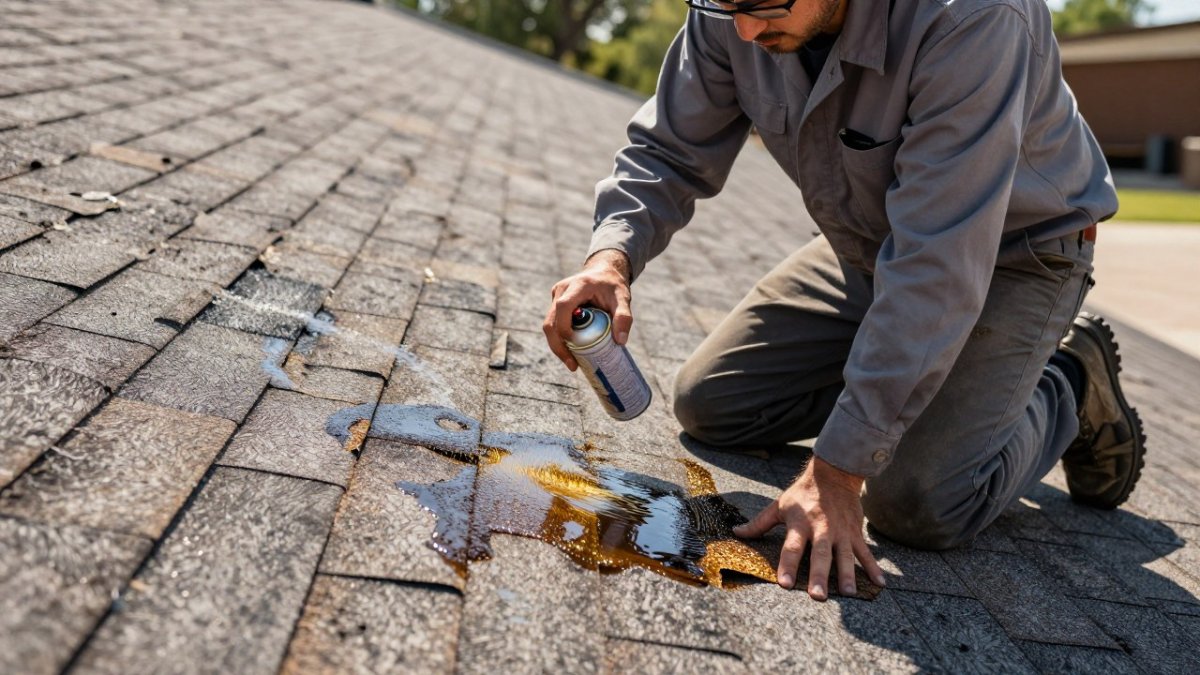
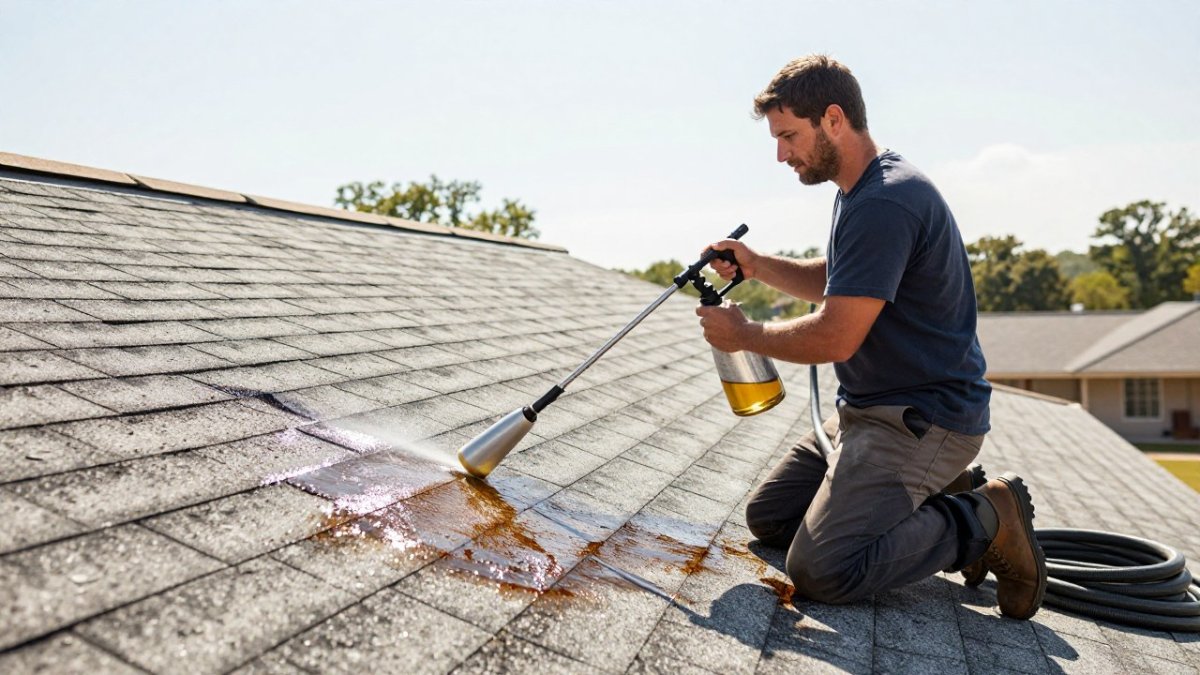
Roof rejuvenation is a maintenance process that sprays a conditioning oil onto aging asphalt shingles to restore some of the flexibility they lose over time, and it is one of the roof rejuvenation alternatives homeowners weigh before committing to a full replacement. The question this article answers is simple: when do the alternatives to replacement make financial and practical sense, and when do they not?
Asphalt shingles are built from a fiberglass or organic mat coated with asphalt and topped with mineral granules. Over years of sun exposure, the oils in the asphalt evaporate and oxidize, and the shingle becomes stiff and brittle. Granules loosen, edges curl, and the surface fades. Rejuvenation products are designed to put a layer of replacement oil back into that asphalt.
Weather matters, and the product needs time to absorb before rain. Ask your provider for the specific application method and conditions they follow.
A common mistake is treating rejuvenation as a repair. It does not fix leaks, replace damaged shingles, or reattach lifted tabs. Inspect the roof first. If the shingles are cracked through, the decking is soft, or flashing has failed, a spray will not solve the problem.
Roof Rejuvenation Versus Roof Replacement: Cost and Lifespan Compared
Replacement is the baseline every alternative gets measured against, so any set of roof rejuvenation alternatives has to be compared honestly on money and time, not just product claims. For a detailed look at rejuvenation versus replacement costs and lifespan, see the cost breakdown. A full tear-off and new asphalt shingle installation resets the roof's service life. Learn whether roof rejuvenation is worth it compared with replacement.
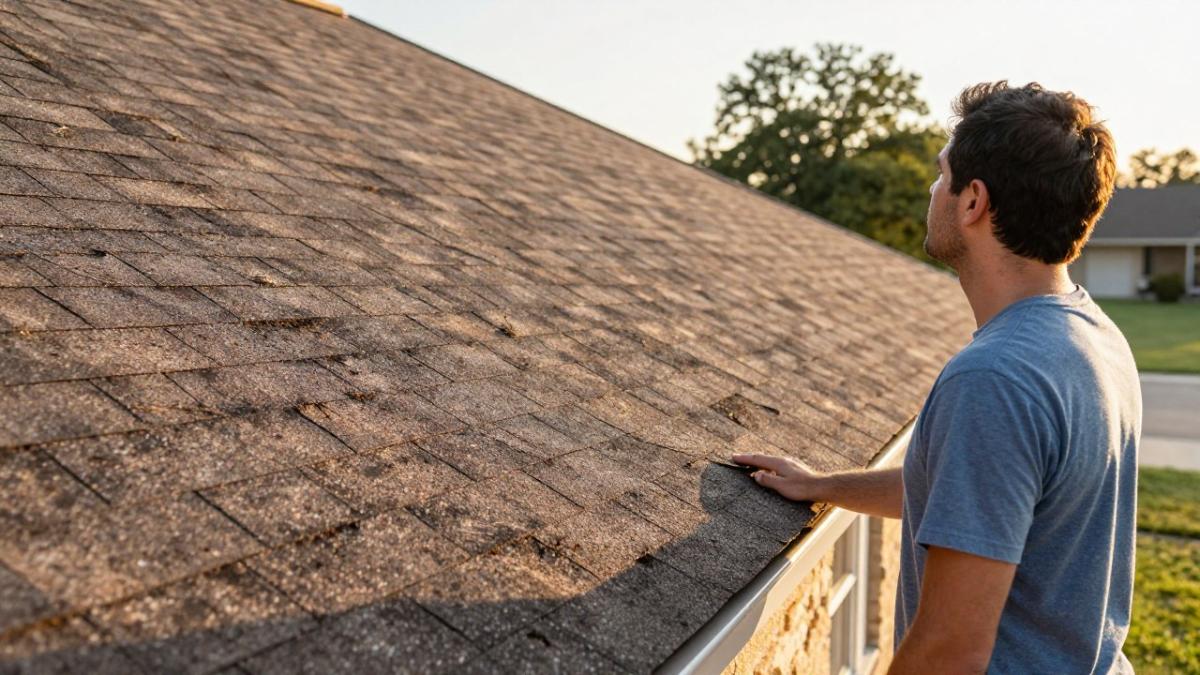
Start with the cost structure rather than a single number. Replacement cost is driven by roof square footage, pitch, the number of layers to tear off, decking condition, flashing and penetration count, and local labor rates. Rejuvenation cost is driven by square footage, pitch, shingle condition, and the number of treatment passes. Because both scale with the same roof measurements, the useful comparison is cost per square (100 square feet of roof surface) over the years of service each option delivers.
A realistic total-cost-of-ownership model has four line items: the treatment or replacement itself, inspection, ongoing maintenance, and the eventual replacement you will still pay for. Rejuvenation does not eliminate replacement; it delays it. So the true cost of a treatment is its price plus the discounted cost of the replacement it postpones, minus whatever value the extra years of service provide. If a treatment buys five years on a roof you planned to replace anyway, you have paid twice for overlapping service life. If it buys five years on a roof you intended to keep for fifteen, the math can work.
Lifespan claims deserve scrutiny. Manufacturers and applicators often describe extension in years, but independent long-term data on those results is limited, and warranty language frequently covers product defects rather than measured performance. Treat any specific number as a claim to verify, not a guarantee. Results can vary with shingle age, sun exposure, attic ventilation, and application quality, which is why two similar-looking roofs may age differently after treatment.
Use a simple decision rule. If the roof is structurally sound, has years of expected service left, and shows stiffness and granule loss rather than failure, a treatment can be a reasonable bridge. Comparing roof repair vs replacement on the same ownership horizon keeps the decision grounded in total cost rather than the lowest upfront bid.
Watch out: a low treatment quote that excludes inspection, prep, or a second pass is not comparable to a replacement quote that includes tear-off and disposal. Make sure both quotes cover the same scope before you decide.
The article breaks down the key cost and lifespan factors for each option:
| Factor | What to check | Note |
|---|---|---|
| Cost unit | Quote in squares (100 sq ft) | Makes rejuvenation and replacement comparable |
| Replacement cost drivers | Area, pitch, layers, decking, flashing | Scale with roof measurements |
| Rejuvenation cost drivers | Area, pitch, condition, treatment passes | Same measurements apply |
| Total cost components | Treatment, inspection, maintenance, eventual replacement | Rejuvenation delays replacement, not eliminates it |
| Lifespan claims | Independent long-term data | Limited; treat as claims to verify |
| Quote scope | Inspection, prep, second pass, tear-off, disposal | Ensure both quotes cover the same scope |
Comparing Oil-Based, Soy-Based, Corn Oil and Acrylic or Silica Treatments
Rejuvenation products differ in their carrier and active ingredients, and that difference shapes what each product can and cannot do. The categories below are grouped by mechanism, not by brand, because the mechanism is what you are actually buying.
Penetrating oil treatments, including soy-based and corn oil formulas, are designed to soak into the asphalt and replace some of the oils lost to sun and oxidation. The intended result is improved flexibility and reduced brittleness in shingles that are stiff but not yet failing.
Acrylic and silica-based products take a different route. They are generally formulated to form a surface layer rather than soak into the asphalt, and they are often presented for reflectivity, UV resistance, and surface protection. That makes them a different tool: they can address appearance and heat gain, but they do not restore flexibility the way a penetrating oil is intended to.
Compare the categories on four questions. First, what is the mechanism: penetration or surface film? Second, what condition does the manufacturer say it suits: stiff shingles, faded shingles, or both? Third, what does the manufacturer say about compatibility with your shingle brand and with any previous coating? Fourth, what does the written warranty actually cover: product defects, measured performance, or appearance?
This is where most product comparisons fall short. Vendor claims are not independent testing, and the categories are rarely compared under identical roof conditions. A neutral way to evaluate them is to ask for documented case studies with before-and-after measurements on roofs similar in age, pitch, and climate to yours, and to treat any lifespan figure without that documentation as marketing rather than evidence.
Watch out: mixing categories, such as applying a surface coating over a penetrating oil, can produce uneven absorption or adhesion problems. Confirm compatibility in writing before any product goes on the roof.
Best DIY Roof Rejuvenation Spray Options and Their Limits
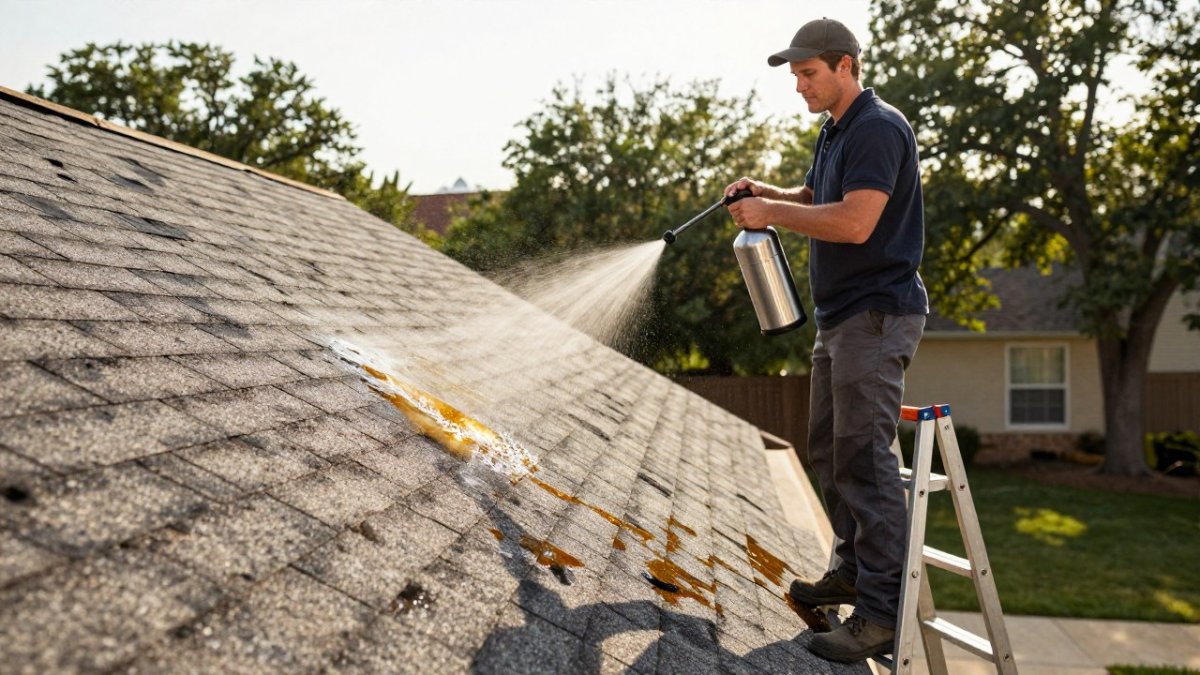
Do-it-yourself sprays exist, and some homeowners attempt them. The savings look attractive on paper, but the limits are significant. Working on a steep roof is dangerous, and uneven application can leave streaks, bare spots, and areas of over-saturation that look worse than the original finish.
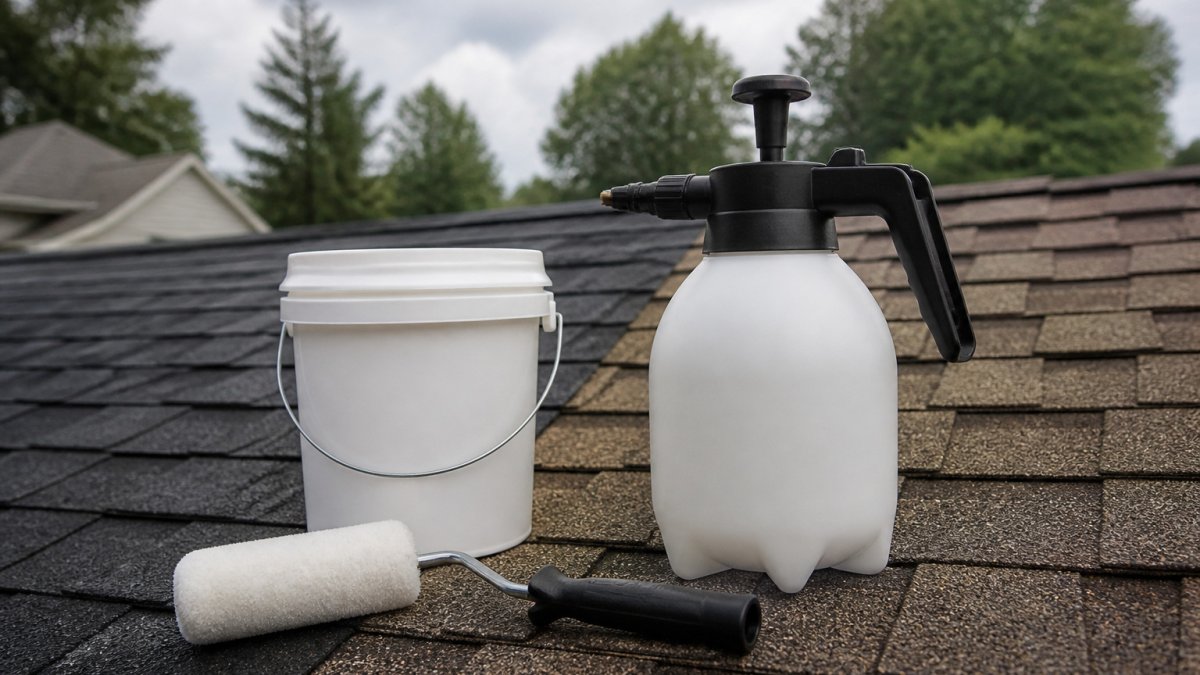
Consumer-grade products are sold in a range of quantities, so check coverage estimates against your roof's measured area. Calculate square footage from your roof plan, not from the house footprint, because pitched roofs have far more surface area than their ground coverage suggests.
DIY application also creates a warranty problem. Many treatment warranties require professional application, so a homeowner who applies the product personally may lose coverage entirely. If you go the DIY route, read the warranty terms before buying.
DIY may suit a small, low-pitch, single-story garage or shed. For a primary residence roof, professional application is generally the safer option.
Reviews, Complaints and Warranty Exclusions to Check
Reviews and complaints tell you what the marketing does not. If you are asking whether roof rejuvenation is a scam, this guide explains what the spray can and cannot do and how to check a provider's claims. Look for patterns across independent review sites and local consumer feedback rather than a handful of testimonials on a provider's own page. Common complaints around rejuvenation include results that faded faster than promised, uneven appearance after application, and disputes over what the warranty actually covered.
Read the warranty before you sign. Check four things: the length of coverage, whether it covers performance or only product defects, what voids it (weather, roof age, prior repairs, DIY application), and what the remedy is if the treatment fails. Our guide to rejuvenation warranty and guarantee coverage explains what is typically included and excluded. A warranty that excludes most realistic failure scenarios offers little protection.
Ask any provider for their written warranty and for references from homeowners whose roofs are similar in age and condition to yours. A reputable contractor will provide both without hesitation.
Watch out: a verbal promise about lifespan that does not appear in the written warranty is not a guarantee. Get it in writing or do not rely on it.
When Rejuvenation Is Inappropriate and Other Alternatives to Consider
Rejuvenation is not the right answer for every roof. It is generally inappropriate when shingles are cracked, torn, or missing in large areas; when the decking is rotted or sagging; when there are active leaks that have not been repaired; or when the roof is at or past the end of its expected service life. In those cases, spraying a conditioner adds cost without addressing the underlying failure.
Other alternatives include targeted repairs, replacing only the damaged slopes, or a partial reroof for a section with failed flashing. These can extend a roof's life more reliably than a blanket treatment on a deteriorated surface.
The right decision depends on the roof's actual condition, not the price alone. A qualified inspection is the only reliable way to know which category your roof falls into.
Booking a Free Roof Assessment Before You Choose
Before committing to any option, get your roof inspected. If you are ready to arrange one, follow these steps to get a roof inspection from finding a qualified contractor to knowing what inspectors check. A proper assessment checks shingle flexibility and granule loss, looks for leaks and flashing failures, measures roof area and pitch, and identifies whether rejuvenation is a fit. ATX RENEWED ROOFS offers a free roof assessment with no-pressure service, so you can compare options based on your roof's real condition. Request your free roof assessment and get an honest recommendation, including when replacement is the better choice.
Frequently Asked Questions
What is the best roof rejuvenation product?
No single product is best for every roof. Soy-based, corn oil-based, acrylic and silica treatments each behave differently on shingles, and manufacturer claims about lifespan extension are not established by independent long-term testing. The right choice depends on the shingle type, its condition and the warranty terms. Ask any provider for independent test data, the exact product formulation, and written warranty exclusions before committing. A professional inspection of the roof's current condition is the most reliable starting point for comparing options.
Does roof rejuvenation actually work?
Results vary. Rejuvenation treatments may improve flexibility and surface appearance on shingles that are still in reasonable condition, but they cannot repair cracked, curled or missing shingles, and claimed lifespan extensions are often based on manufacturer testing rather than independent field data. Roofs with significant granule loss, leaks or structural damage are usually poor candidates. Treat the treatment as one option to evaluate against repair or replacement, not as a guaranteed fix.
How much does roof rejuvenation cost compared with replacement?
Pricing depends on roof size, shingle condition, product and application method, so there is no single standard figure. Get written quotes for rejuvenation and for replacement on the same roof, and compare them over the period you expect the roof to last, not just the upfront cost. Factor in any warranty terms and whether a second treatment may be needed. For current pricing on ATX Renewed Roofs services, visit the pricing page on the company website or request a free estimate.
Can a homeowner apply a roof rejuvenation spray without a contractor?
DIY sprays are sold to homeowners, but application on a sloped roof carries fall risk, and uneven coverage can affect results. Check whether the manufacturer's warranty is void for non-professional application before buying. A roofing contractor can also confirm the shingles are suitable for treatment, which a retail product label cannot do for your specific roof. Weigh the savings against safety risk and the possibility of having to pay for corrective work later.