 How-to
How to Improve Curb Appeal: Roof Restoration Guide
Table of Contents
- Why Your Roof Matters for Curb Appeal
- Assessing Your Roof: Inspection and Safety First
- Improve Curb Appeal With Your Existing Roof
- Roof Color and Curb Appeal: Choosing the Right Shade
- Asphalt Shingle Roof Rejuvenation: What It Does
- Roof Repair vs. Replacement: Making the Right Decision
- Coordinating Your Roof With Siding, Trim, and Landscaping
- Conclusion
- Frequently Asked Questions
Last Updated: October 18, 2026
Why Your Roof Matters for Curb Appeal
Your roof covers nearly a third of your home's visible exterior, and a dull or damaged roof instantly signals neglect.
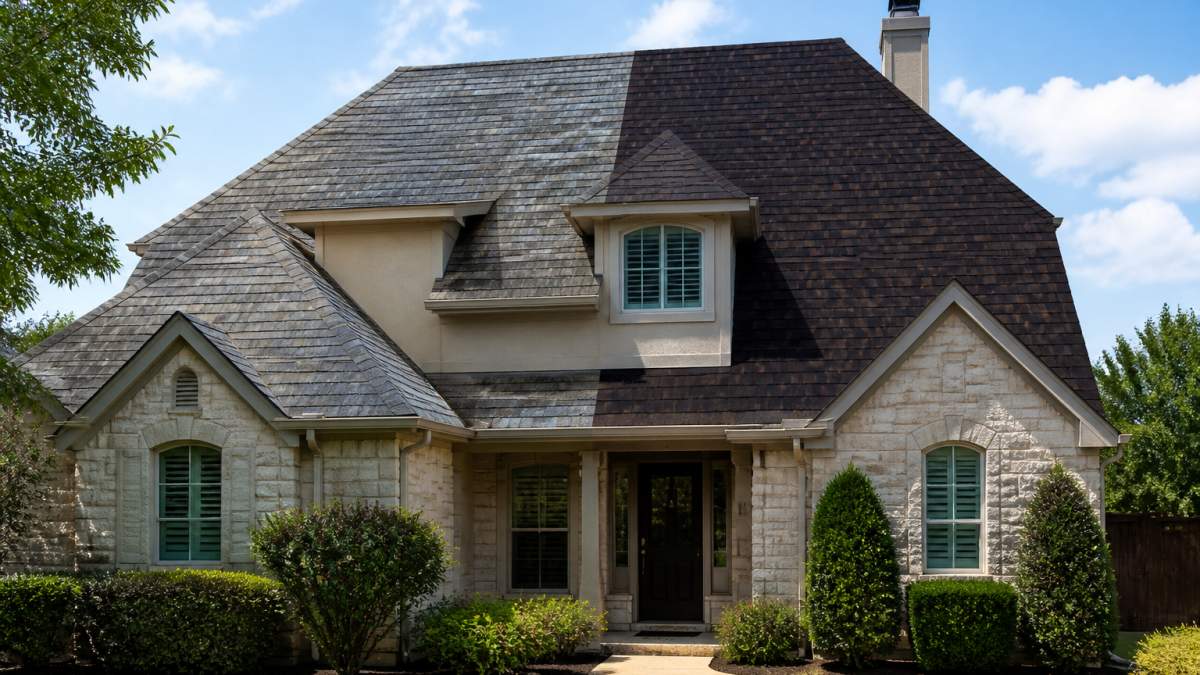
A faded asphalt shingle roof with missing granules drags down even a well-maintained home, while a clean, vibrant roof transforms its visual impact.
Your roof anchors the visual balance between siding, trim, windows, and landscaping.
You don't need to replace your roof to restore its curb appeal. Strategic cleaning, maintenance, and rejuvenation can transform aging asphalt shingles.
Assessing Your Roof: Inspection and Safety First
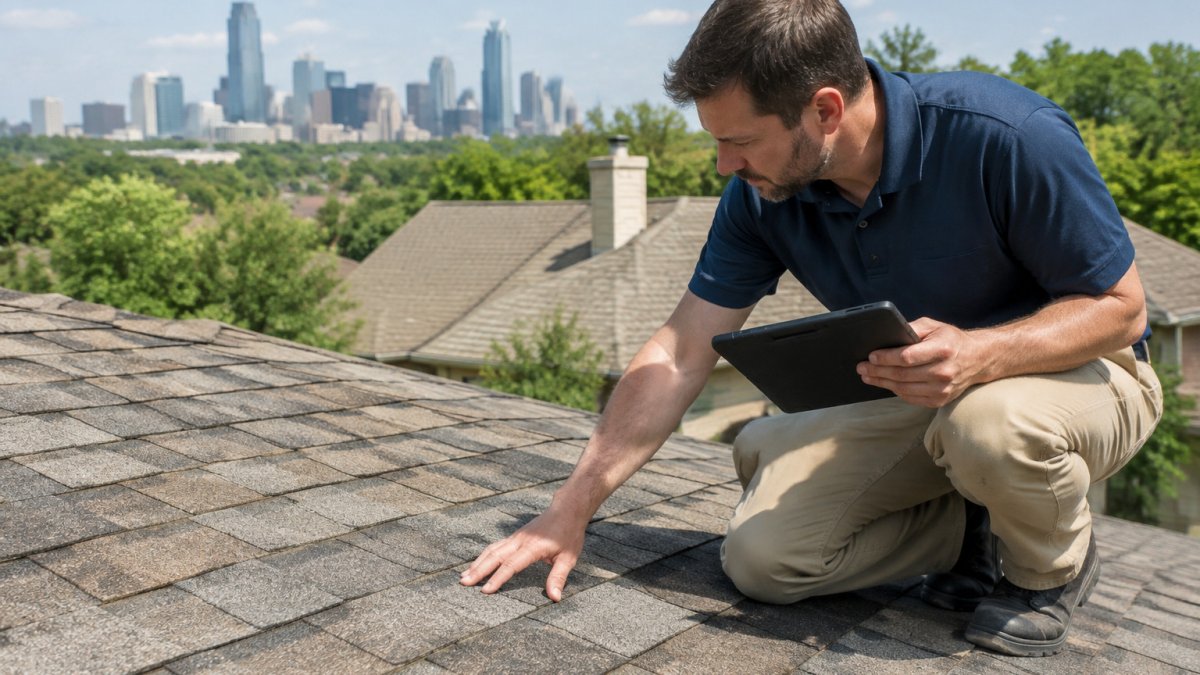
Before improving your roof's appearance, get an honest assessment to determine whether restoration is realistic or replacement is the better choice.
Start with a ground-level inspection. Look for these signs:
- Shingles that are curling, cracked, or missing
- Granule loss (bare spots or a gritty appearance in gutters)
- Discoloration, moss, or algae growth
Take photos from multiple angles. Document what you see. If you're unsure about climbing onto the roof, don't. Safety comes first.
A professional inspector can identify structural issues, estimate remaining lifespan, and tell you whether your roof can be restored or needs replacement.
Improve Curb Appeal With Your Existing Roof
If your roof is structurally sound but visually tired, these strategies work best on roofs 10-20 years old with no major damage.
Cleaning and Maintenance Steps
Dirt, algae, and debris make even relatively new shingles look ancient, so cleaning is often the most dramatic improvement.
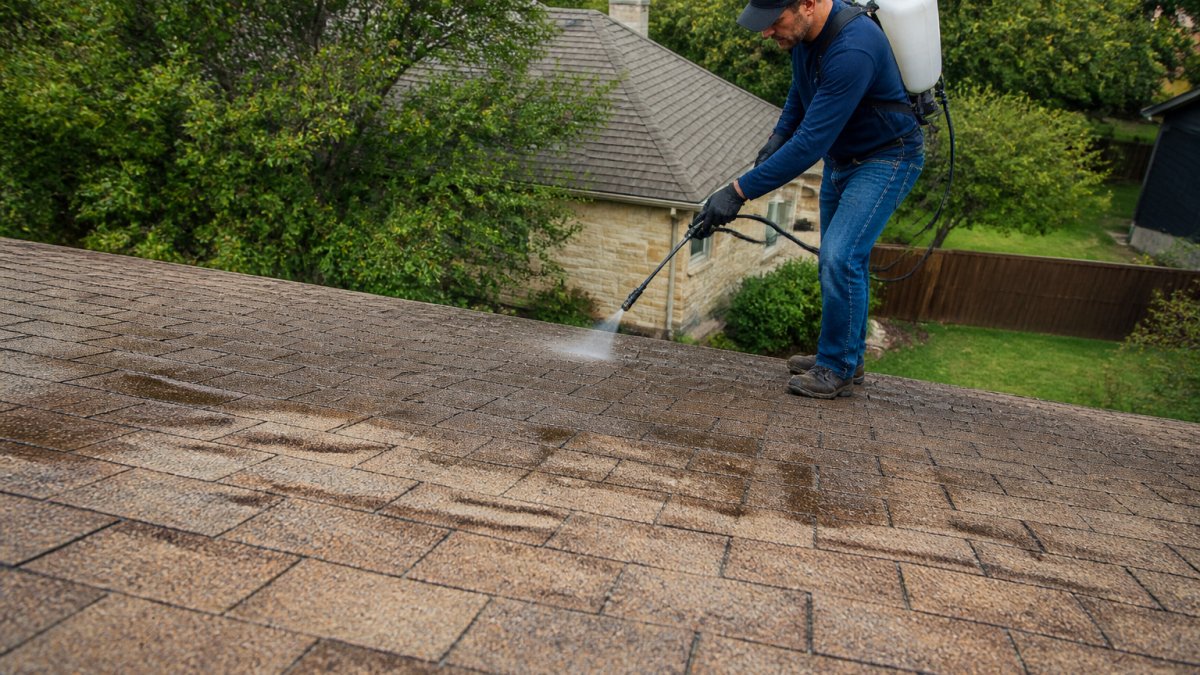
Professional cleaning removes years of buildup and restores color depth. The process typically involves soft washing with biodegradable cleaners (pressure washing damages shingles), gentle debris removal from valleys and ridges, gutter and downspout cleaning, and a final low-pressure rinse.
Moss and algae removal is a separate consideration. In humid climates, these organisms create dark streaks that destroy curb appeal; removal involves gentle cleaning and sometimes preventive treatments.
Don't use bleach or high-pressure washing. Both damage shingles. Hire a professional who understands roofing materials and safety.
Roof Rejuvenation for Faded Shingles
Asphalt shingles lose essential oils over time as sunlight, heat, and weathering harden them and fade their color, leaving a roof that looks 10 years older than it is.
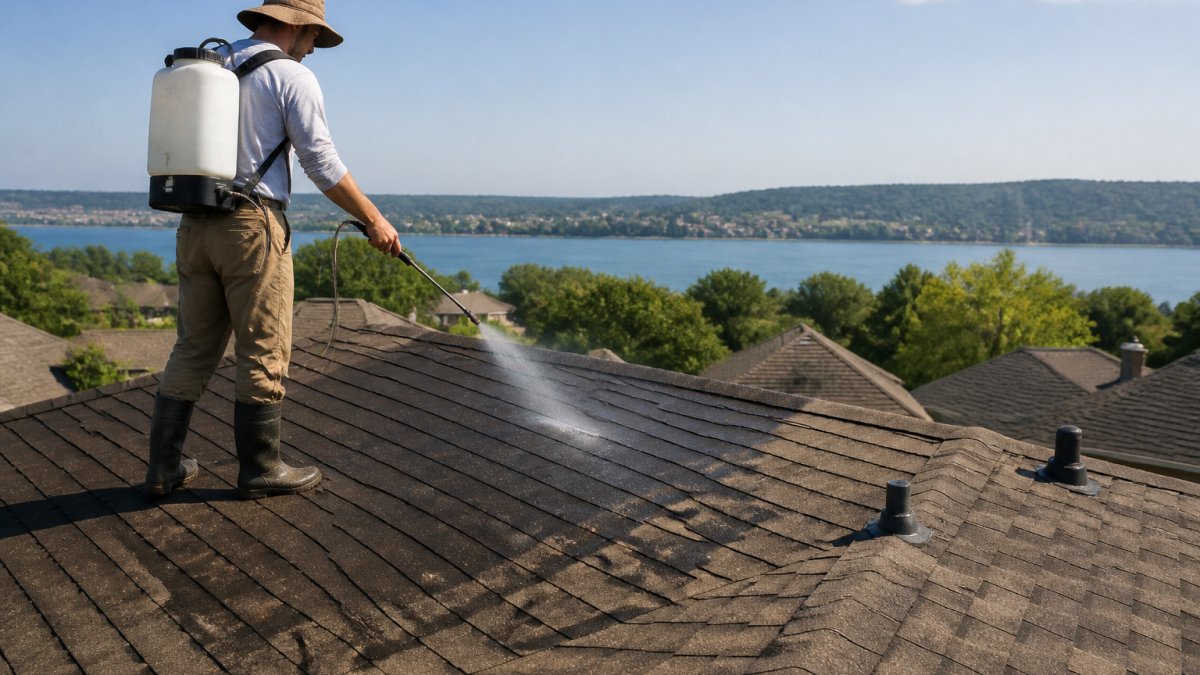
Roof rejuvenation restores those lost oils: a plant-based spray penetrates the shingle material, restoring flexibility, color, and weather resistance.
At ATX RENEWED ROOFS, we use an eco-friendly, plant-based rejuvenation formula that restores appearance and function while avoiding the waste of full replacement.
Roof Color and Curb Appeal: Choosing the Right Shade
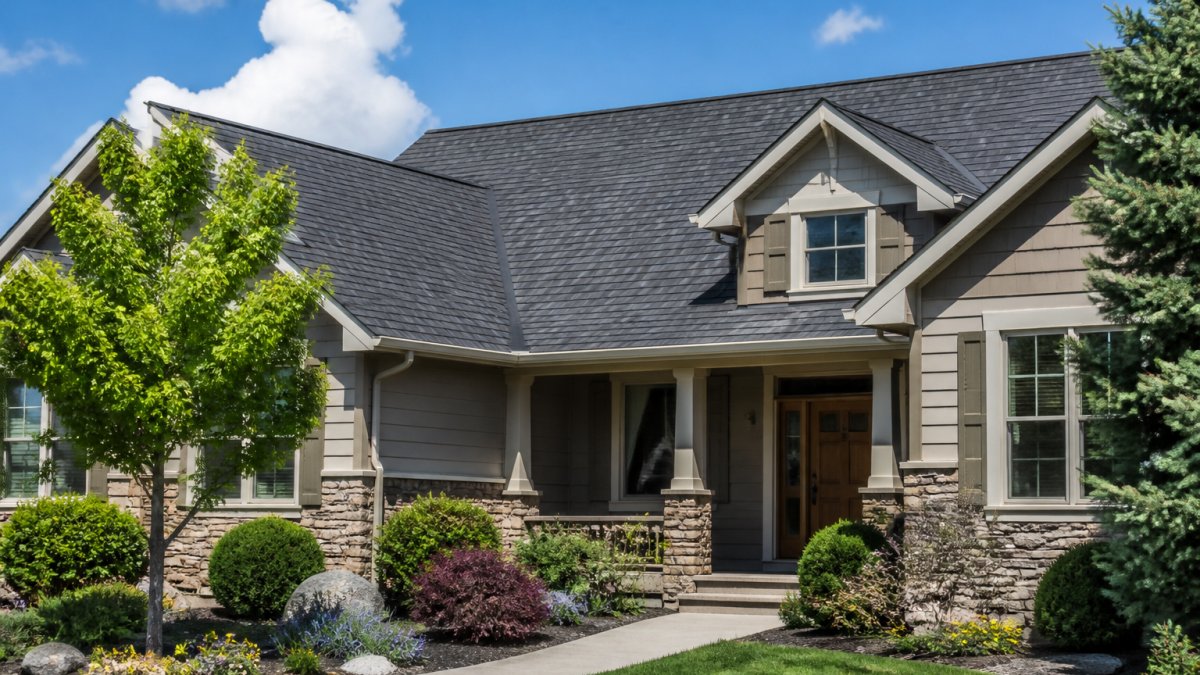
If you're considering roof replacement or evaluating how to improve curb appeal roof choices, color selection is critical. The right roof color harmonizes with siding, trim, and landscaping; the wrong one creates visual conflict no landscaping can hide.
A siding-to-shingle color chart is a starting point, not a process. What works is a repeatable method: inventory the fixed elements, narrow the field with samples, then test finalists in real light.
Step 1: Inventory the colors you cannot change
Before you look at a single shingle, list every exterior element that will stay put through the project, roof color has to live with these.
- Siding: Note the exact color family (warm white, cool gray, beige, brick red) and whether it reads light, mid, or dark from the street.
- Trim and fascia: White, cream, or a painted accent color. Trim sits directly against the roof edge, so a clash here is the most visible mistake.
- Window frames and shutters: These repeat across the facade and create the rhythm the roof has to balance.
Write the undertone next to each item: warm, cool, or neutral. If most fixed elements are warm (cream siding, tan brick, beige pavers), a cool blue-gray roof looks disconnected; if most are cool (gray siding, white trim, concrete), a warm brown roof can look muddy.
Step 2: Decide contrast or harmony before you shop
Two valid strategies exist, and they produce very different looks:
- Contrast: A darker roof against light siding creates definition and makes the roofline read as a deliberate architectural element. This is the most common choice on white, cream, and light gray homes.
- Harmony: Roof and siding in the same color family (warm grays with warm grays, earth tones with earth tones) creates a calm, cohesive facade. This works well on smaller homes and on styles where the roof should recede.
Pick one strategy before you visit a showroom. Shopping without one leads homeowners to pick whatever sample looks best in isolation, then discover it fights the trim once installed.
Step 3: Get physical samples and test them in real light
Roof color looks different in morning sun, afternoon light, and overcast conditions, and different again on a vertical wall than on a sloped roof plane, which is why digital swatches and showroom lighting are unreliable. Ask for physical samples of your two or three finalists, then test each one the same way:
- Hold the sample against the actual siding and trim, not a color card. Prop it at roof pitch if you can.
- View it from the street, at the distance a passerby or buyer will actually see it.
- Check it at three times of day: morning, mid-afternoon, and near dusk. Note which samples shift color and which stay stable.
- Check it on an overcast day. Flat light reveals undertones that bright sun hides.
- Photograph each sample in place and compare side by side to spot clashes.
The sample that wins in the showroom often loses at dusk; finalists that hold their color across all three lighting conditions are the safer choice.
Step 4: Weigh neighborhood context and resale
If most homes on your street share a similar roof palette, a dramatic departure can hurt resale value even if you love it. A local real estate agent can tell you which exterior choices help or hurt in your area faster than any national guide.
Common siding colors and complementary roof choices
Use this as a starting filter, then run the samples through the process above:
- White or cream siding: charcoal, dark brown, or slate gray roofs work well and create clean contrast.
- Tan or beige siding: brown, bronze, or warm gray roofs create harmony.
- Red brick siding: charcoal, dark gray, or black roofs provide contrast without competing with the brick's warmth.
Asphalt Shingle Roof Rejuvenation: What It Does
Roof rejuvenation is often misunderstood. It's not a coating or cosmetic fix, it addresses the actual degradation of asphalt shingles. Shingles are a fiberglass mat coated with asphalt and mineral granules; the asphalt contains oils that keep the material flexible and weather-resistant.
Rejuvenation spray restores these lost oils. The plant-based formula penetrates the shingle surface and rehydrates the asphalt, restoring flexibility, color, and weather resistance.
Roof Repair vs. Replacement: Making the Right Decision
Not every roof showing age needs replacement. The decision depends on structural condition, remaining lifespan, and your goals. What homeowners need is realistic cost ranges, a way to compare value, and an order of operations when the budget won't cover everything at once.
The decision criteria
Choose repair or rejuvenation if:
- The roof is roughly 10-18 years old
- Damage is limited to isolated areas
- The structure is sound (no sagging or rot)
Consider replacement if:
- The roof is 20+ years old
- Damage is widespread (multiple missing shingles, extensive granule loss)
- Leaks are active or recurring
Realistic cost ranges
Costs vary by region, roof size, pitch, and material, so treat these as planning ranges rather than quotes. For a typical single-family home:
- Professional roof cleaning: pricing depends on roof size and buildup.
- Moss or algae treatment: pricing depends on roof size and buildup, sometimes bundled with cleaning.
- Roof rejuvenation: a fraction of replacement cost.
Get at least two written estimates that itemize labor, materials, and disposal so you can compare bids.
Return on investment and the annual-cost comparison
Compare options on annual cost, not sticker price:
- If replacement lasts 25 years, that is a certain cost per year of roof life.
- If rejuvenation remains effective for several years, it defers the outlay and preserves cash for other exterior projects.
- A repair that buys more years on a serviceable roof is often a cost-effective option per year of life.
The right comparison is cost per year of roof life plus the value of deferring a major expense, not cost per treatment. Curb appeal also has a resale dimension: a clean, restored roof photographs well and removes an obvious objection for buyers, while a roof at the end of its life is a negotiating chip against you. If you plan to sell within a few years, restoring a serviceable roof is often the higher-return move; if you plan to stay long-term, replacement durability wins.
A good-better-best plan when the budget is limited
When you cannot do everything, sequence the work by impact per dollar:
- Good (lowest cost, highest visual return): clean the roof and gutters, remove moss and algae, and fix isolated damage. This alone often transforms a tired roof.
- Better: add rejuvenation to restore color depth and flexibility on a structurally sound roof, and address gutter or downspout problems that stain the facade.
- Best: replace the roof when condition or age requires it, coordinating the new roof color with siding and trim so you are not repainting later.
Address the roof first if you are planning several exterior updates. It is the largest visual element, and getting it right makes siding, trim, and landscaping decisions easier.
Get a professional assessment before committing. A qualified inspector can confirm the roof's actual age, remaining lifespan, and realistic options, removing guesswork from the decision.
Coordinating Your Roof With Siding, Trim, and Landscaping
Your roof doesn't exist in isolation. It's part of an exterior design system that includes siding, trim, windows, shutters, door color, and landscaping.
The visual hierarchy works like this: The roof anchors the top of the composition. Siding provides the primary color field.
When your roof is faded and dull, it disrupts this balance. This is why roof rejuvenation often has such dramatic impact: it's not just about the roof itself, it's about how the improved roof relates to everything else.
Consider these coordination principles:
- Contrast: A darker roof against light siding creates visual interest and definition
- Harmony: Similar color families (warm grays, cool grays, earth tones) create cohesion
- Balance: Heavy visual elements at the top (dark roof) need balance at ground level (landscaping, lighting)
If you're planning exterior updates, address the roof first. It's the largest visual element. Get it right, and other improvements follow naturally.
Conclusion
Your roof is often the first thing people notice about your home. A faded, worn roof undermines curb appeal and signals deferred maintenance, even if the rest of your home is well-kept.
Strategic cleaning, professional maintenance, and roof rejuvenation can restore your home's visual impact for a fraction of replacement cost.
The National Roofing Contractors Association provides guidelines for roof maintenance and inspection. The Asphalt Roofing Manufacturers Association offers resources on shingle durability and care. The EPA's guide to sustainable home improvement covers environmentally responsible roofing choices.
Get a free estimate today. We'll inspect your roof, assess its condition, and show you the most cost-effective path to improved curb appeal and extended roof life.
| Decision Point | Rejuvenation | Repair | Replacement |
|---|---|---|---|
| Best for | Faded, structurally sound roofs | Isolated damage, limited areas | Roofs 20+ years old or extensively damaged |
| Cost | Low | Moderate | High |
| Lifespan | 3-5 years | Varies | 20-30 years |
| Curb appeal impact | Dramatic | Moderate | Excellent |
| Timeline | Days | Days to weeks | 1-2 weeks |
Frequently Asked Questions
How can I improve curb appeal without replacing my roof?
If your roof is structurally sound but looks faded or worn, you have several options to improve curb appeal with your existing roof. Cleaning removes dirt and algae buildup that dulls shingles. Roof rejuvenation treatments restore color and flexibility to aging asphalt shingles, making them look newer while extending their lifespan. Repairing visible damage like missing shingles or curling edges also improves appearance. These approaches cost significantly less than full replacement while delivering noticeable visual improvements.
What roof color looks best with my home's exterior?
The best roof color complements your siding, trim, and architectural style. Dark roofs (charcoal, black, deep brown) work well with light or neutral siding and create strong visual contrast. Medium tones (weathered gray, taupe) pair with traditional or contemporary homes. Warm browns suit earth-tone siding. Consider your neighborhood's character and your home's style (ranch, colonial, modern). View samples in natural daylight and at different times of day, as lighting changes how colors appear. Avoid clashing sharply with dominant exterior colors.
When should I repair or replace a roof to improve curb appeal?
Repair your roof if shingles are faded or slightly curled but structurally intact, cleaning and rejuvenation can restore appearance affordably. Replace the roof if shingles are severely curled, missing large sections of granules, or have multiple leaks. A roof older than 20 years with visible wear may be nearing the end of its functional life. Get a professional inspection to determine whether repair, rejuvenation, or replacement makes sense for your specific roof condition and budget.
How does asphalt shingle roof rejuvenation work?
Asphalt shingle rejuvenation uses a plant-based spray treatment to restore essential oils that have been lost from aging shingles. Over time, sun exposure and weather dry out asphalt shingles, causing them to fade, become brittle, and lose flexibility. The rejuvenation process replenishes these oils, restoring color vibrancy, improving shingle flexibility, and enhancing weather resistance. The result is a roof that looks newer and lasts several additional years, all without the cost and waste of full replacement.