 Listicle
9 Roof Restoration Contractors in Austin Compared
Last Updated: November 1, 2026
Quick Summary
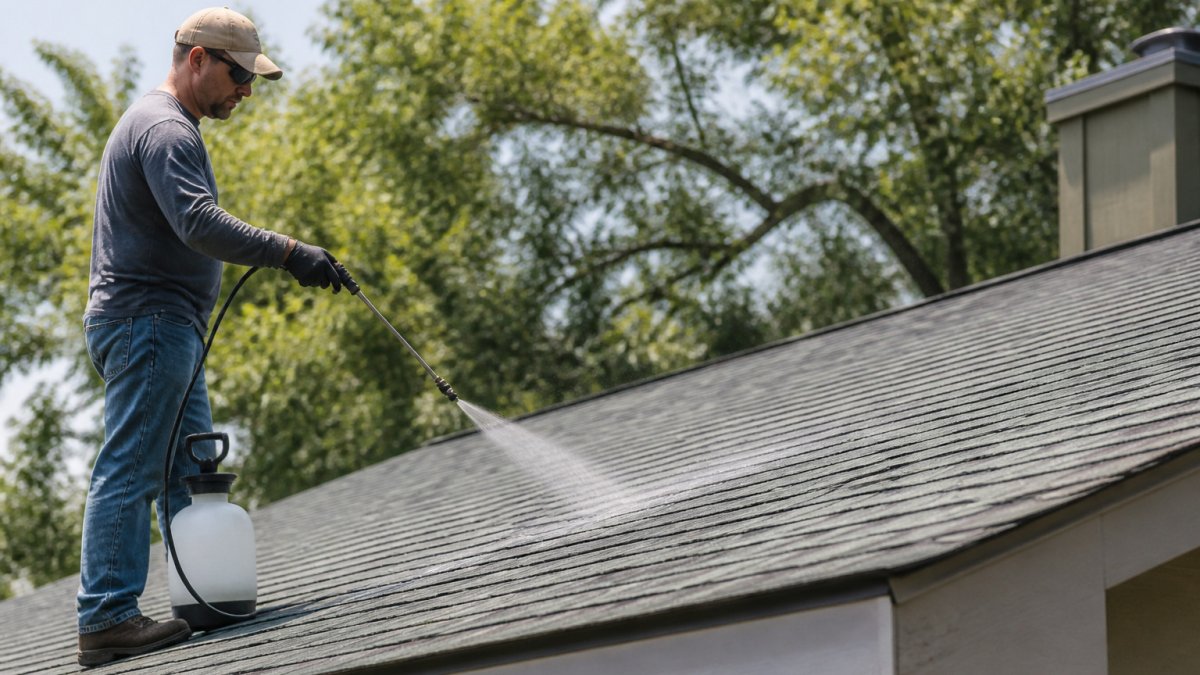
Roof restoration treats an existing roof to restore flexibility, color, and weather resistance, and it is generally a lower-cost path than full replacement. It works best for structurally sound roofs, typically 15 to 20 years old in Austin. Compare contractors on an itemized, written scope rather than a directory listing.
- Restoration generally does not include tearing off shingles or replacing rotted decking.
- Roofs with widespread cracking, soft decking, or repeated leaks will likely need replacement.
- Get an itemized estimate separating labor, materials, prep, and optional add-ons.
- Be skeptical of a dramatically low quote that excludes prep, flashing, or cleanup.
- Ask each contractor what treatment it applies and what the work does not cover.
Table of Contents
- Why Austin Homeowners Are Comparing Roof Restoration Contractors
- Roof Restoration vs. Replacement: How to Decide
- What Roof Restoration Actually Covers and Typical Roof Restoration Cost
- Roof Restoration Contractors in Austin Compared
- Finding Roof Rejuvenation Treatment Near Me in Austin
- Questions to Ask a Roofing Contractor Before You Sign
- Verifying Credentials, Insurance, and Warranties
- Booking a Free Roof Assessment With ATX Renewed Roofs
- Frequently Asked Questions
Austin homeowners with 15-20 year old asphalt shingle roofs have a real decision to make. Restoration can extend a roof's life for far less than a full replacement, but only if the work and the contractor are right. At ATX Renewed Roofs, we want you to compare your options before you sign anything, so this guide walks through the contractors Austin homeowners research most often and the questions that separate a sound quote from a sales pitch.
Why Austin Homeowners Are Comparing Roof Restoration Contractors
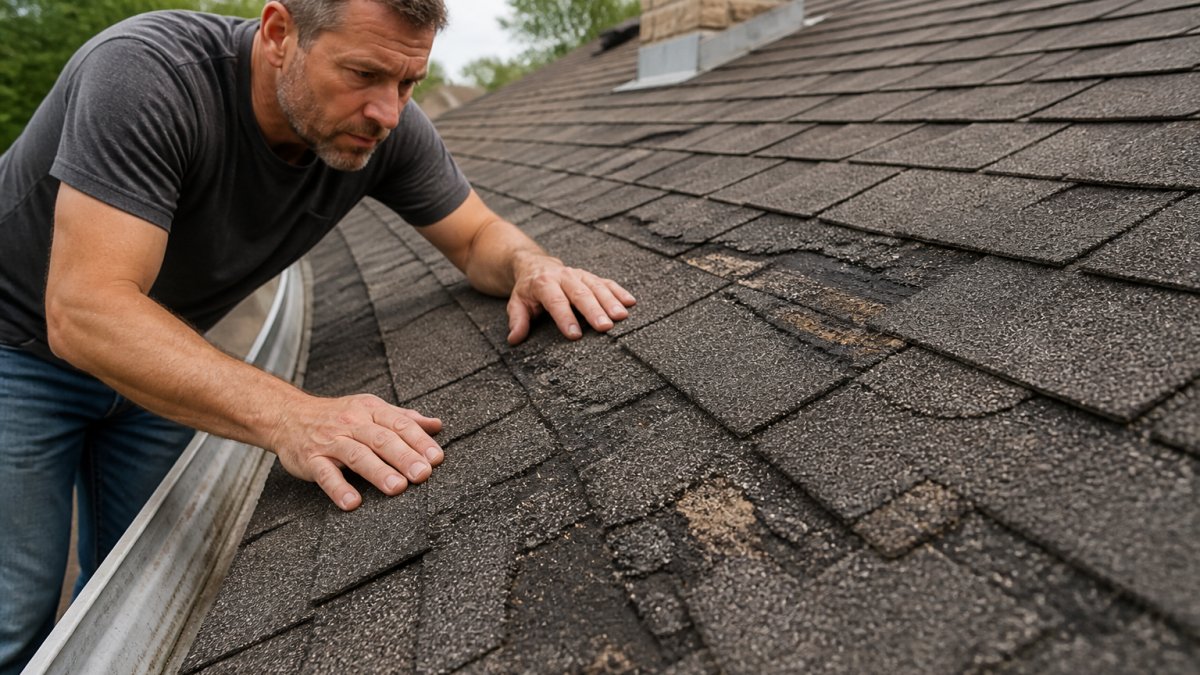
Most homeowners start looking when a roof shows its age. Curling shingles, faded color, and missing granules are common signs.
Restoration is not a one-size-fits-all service. Some companies offer rejuvenation sprays, some focus on repairs, and others concentrate on full replacements or storm work. Knowing which category a contractor falls into helps you compare them fairly.
Watch out: Many local listings describe services in broad terms. Ask each company exactly what treatment it proposes and what the work covers before comparing prices.
Roof Restoration vs. Replacement: How to Decide
Roof restoration treats an existing roof to restore flexibility, color, and weather resistance. Restoration is generally the lower-cost path, while replacement gives you a fresh roof. Compare restoration and replacement costs and lifespans to see which option fits your roof.
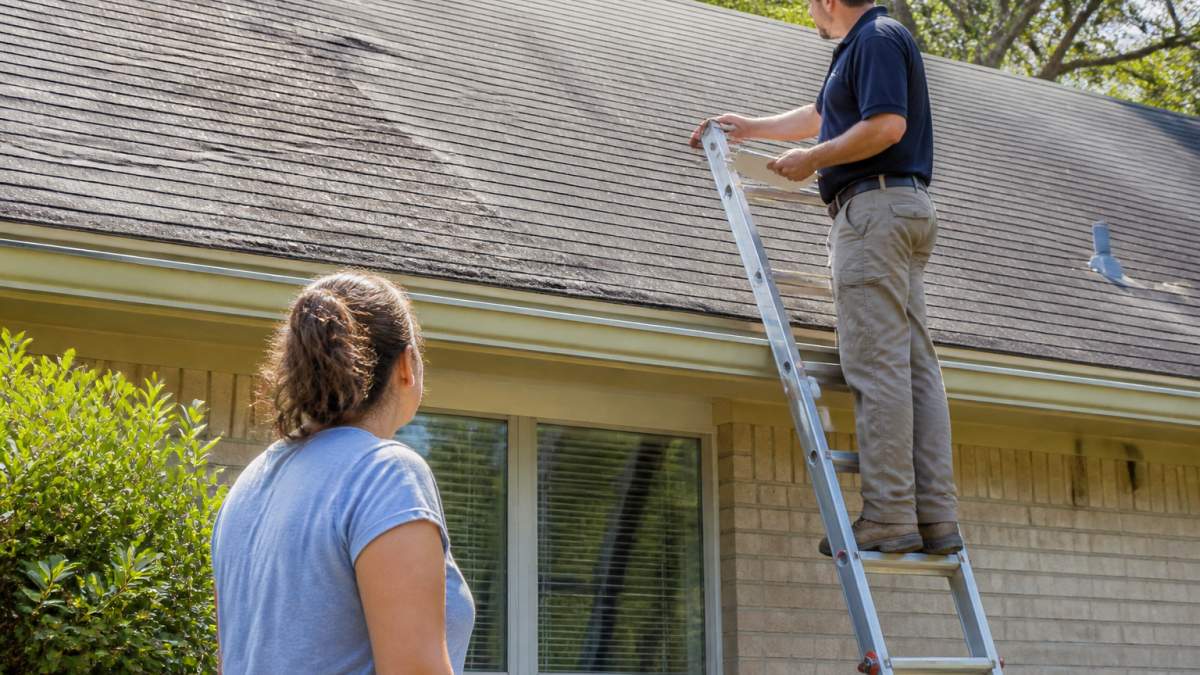
The right choice depends on the condition of the shingles, the number of active leaks, and how many years you need the roof to last. A roof with widespread cracking, soft decking, or repeated leaks will likely need replacement.
Compare the two options on cost, expected lifespan, and disruption. See a side-by-side breakdown of rejuvenation versus replacement to check each option's cost and lifespan. Ask each contractor to put both options in writing so you can see the difference side by side.
What Roof Restoration Actually Covers and Typical Roof Restoration Cost
Restoration is a treatment of the existing roof surface, not a replacement of it. It generally does not include tearing off shingles, replacing rotted decking, correcting structural sag, or repairing active leaks, those move the job into repair or replacement territory.
What drives the price
Restoration pricing is quote-based because the same square footage can require very different prep work. The main cost drivers are:
- Roof size and pitch. Measured in roofing squares (100 sq ft each). Steeper roofs need more safety setup and labor time.
- Roof condition and prep. Heavy granule loss, algae streaking, or widespread flashing failure adds cleaning and prep hours before any treatment goes down.
- Number of penetrations and valleys. Chimneys, skylights, vents, and valleys are where flashing work concentrates, and each one adds labor.
- Access and height. Two-story homes, steep driveways, and landscaping that limits ladder placement add setup cost.
- Treatment type. A rejuvenation spray, a reflective coating, and a full restoration system are priced differently and carry different expected lifespans.
- Optional add-ons. Gutter cleaning, minor flashing repair, and post-treatment inspections are often quoted separately.
How to read a restoration quote
Ask for an itemized estimate that separates labor, materials, prep, and any optional line items. A single lump-sum number makes it impossible to compare two contractors fairly. Confirm in writing whether the quote includes:
- Surface cleaning and prep
- Flashing inspection and resealing
- Treatment application and cure time
- Cleanup and haul-away
- A post-treatment inspection
- Any workmanship warranty
Getting a usable number
Because restoration cost tracks roof size, condition, and treatment type, the only reliable way to get a real figure is a written, itemized estimate after an on-site assessment. You can request a written estimate from our website. Compare that itemized scope against at least one other contractor's itemized scope before you decide.
The price of restoration depends on several factors, and the article lists the main cost drivers in the table below.
| Cost driver | What it affects | Note |
|---|---|---|
| Roof size and pitch | Labor and safety setup | Measured in roofing squares (100 sq ft each) |
| Roof condition and prep | Cleaning and prep hours | Heavy granule loss or algae adds prep time |
| Penetrations and valleys | Flashing labor | Chimneys, skylights, vents, valleys |
| Access and height | Setup cost | Two-story homes and limited ladder placement |
| Treatment type | Price and expected lifespan | Spray, coating and full system priced differently |
| Optional add-ons | Extra line items | Gutter cleaning, flashing repair, inspections |
Roof Restoration Contractors in Austin Compared
The companies below appear in local directories and search results for Austin roofing. The details reflect only what each source supports, so verify anything that matters to your decision directly with the contractor. The key distinction to keep in mind: a company that lists "roof restoration" is not necessarily offering a rejuvenation or coating treatment, many use the term for repair work. Ask each one what treatment it actually applies.
Contractors offering restoration and rejuvenation services
ATX Renewed Roofs offers a plant-based rejuvenation spray for asphalt shingles. We position it as a sustainable alternative to full replacement for roofs that are still structurally sound.
J&P Exteriors lists roof repair and roof restoration among its services. Ask for the specific restoration methods and materials it uses before comparing it with other options.
Peak Roofing & Construction is one of the local roofing companies you may come across.
Contractors listed for repair, replacement, and storm work
Texas Professional Roofing is a company you can contact about roof repairs, replacements, or storm damage concerns.
LOA Construction is another local roofing company to contact. Ask whether it offers any restoration treatment before you book.
Austin Roofing Company, Kidd Roofing, Longhorn Roofing, Matthew Lorand Roofing, and Ja-Mar appear in a directory of Austin roofing companies. Contact each one directly to learn whether they offer restoration.
How to compare restoration contractors on equal footing
A directory listing tells you a company exists. It does not tell you whether the company is the right fit for a restoration project. Use this checklist to compare them:
- Restoration-specific experience. Ask how many restoration or rejuvenation treatments the company has completed, and ask to see a sample scope from a comparable roof.
- Written scope. Every quote should itemize prep, flashing work, treatment, cleanup, and any optional add-ons. A lump-sum number is not a comparable quote.
- Insurance and licensing. Confirm liability insurance and workers' compensation coverage with certificates sent directly from the insurer.
- Warranty terms. Separate the workmanship warranty from any material or manufacturer warranty. Ask how long each lasts and what voids it.
- References. Ask for two or three recent restoration customers in similar homes and call them.
- Payment terms. Be cautious of large upfront deposits.
- Insurance coordination. If storm damage is involved, ask how the contractor documents damage and communicates with adjusters, and get any agreement about scope and payment in writing before work begins.
Once you have two or three itemized scopes in hand, the comparison becomes straightforward: same line items, same warranty questions, same reference checks. That is a far more reliable basis for a decision than a ranking or a directory position.
Finding Roof Rejuvenation Treatment Near Me in Austin
When you search for roof rejuvenation treatment near me, check whether the company actually performs rejuvenation or only lists it as a keyword. A company that serves your neighborhood still needs to confirm that it offers the specific treatment you want.
Start with the contractors that name restoration or rejuvenation on their own website. Then call the rest and ask directly. A short phone call often tells you more than a directory listing.
Questions to Ask a Roofing Contractor Before You Sign
Use these questions to compare contractors on equal footing:
- What exactly does the restoration treatment include, and what does it not cover?
- Is my roof a good candidate, and how do you make that determination?
- How long do you expect the treatment to extend the roof's life, and what is that estimate based on?
- What is the total cost, and does the quote include cleanup and inspection of flashing and vents?
- What warranty do you provide on the work, and what does it cover?
- Who will be on my roof, and are they employees or subcontractors?
- What happens if the treatment does not perform as expected?
A contractor who answers these clearly and in writing is easier to trust than one who relies on general assurances.
Verifying Credentials, Insurance, and Warranties
Before hiring anyone, confirm that the company is licensed where required, carries liability insurance and workers' compensation coverage, and can provide proof of both.
Review the warranty in writing. Distinguish between a workmanship warranty, which covers the contractor's labor, and a manufacturer warranty, which covers the materials. Ask how long each lasts and what voids it.
If you are filing a storm-damage insurance claim, ask the contractor how it works with insurance adjusters and whether it has experience with that process.
Booking a Free Roof Assessment With ATX Renewed Roofs
If your roof is 15 to 20 years old and showing wear, a professional assessment is the fastest way to learn whether restoration is a realistic option. At ATX Renewed Roofs, we offer a free, no-pressure roof assessment and give you an honest answer about whether your roof can be saved or needs replacement.
You can review our full list of services on our services page, then reach out through our contact page to request your free assessment and estimate.
Frequently Asked Questions
How do I choose a roof restoration contractor?
Start by confirming the contractor holds a current Texas license where required, carries general liability and workers' compensation insurance, and can show references from recent Austin jobs. Ask whether they perform restoration specifically or only repair and replacement, since those are different services. Request a written estimate that names the restoration method, materials, and warranty terms. Compare at least three written estimates before deciding, and treat a contractor who pushes for an immediate full replacement without a documented inspection as a reason to get a second opinion.
What is the difference between roof restoration and roof replacement?
Roof restoration treats an existing asphalt shingle roof to extend its service life, typically by applying a rejuvenating treatment that restores flexibility and slows granule loss. Roof replacement removes the old roofing system and installs a new one. Restoration usually costs less and produces less roofing debris going to landfill. Replacement makes sense when the decking is damaged, shingles are cracked or missing across large areas, or the roof has reached the end of its life. An honest inspection should identify which situation applies to your roof.
Can aging asphalt shingles be restored instead of replaced?
Often yes, if the shingles still have some flexibility, the underlying deck is sound, and the damage is mostly surface wear such as fading, minor curling, or dried-out material. Restoration is less suitable when shingles are brittle enough to crack when lifted, when leaks have damaged the decking, or when a large share of the roof is missing shingles. A licensed inspector can check flexibility, granule loss, and decking condition to determine whether restoration is a realistic option for your roof.
What questions should I ask before hiring a roofing contractor?
Ask how long the company has operated in Austin, who will perform the work, and whether they are licensed and insured. Ask what restoration method they use and which materials they apply. Ask for the workmanship warranty length and whether the manufacturer warranty still applies after treatment. Ask how they handle insurance claims for storm damage and whether they provide a written estimate before work begins. Ask for recent customer references you can contact directly.