 Listicle
How to Maintain Your Roof on a Budget in 2026
Quick Summary
Affordable roof maintenance means inspecting your roof every spring and fall, clearing debris, and fixing small problems like lifted flashing or missing shingles before they cause leaks. Routine upkeep is far cheaper than waiting for a leak, which often means damage to decking and insulation. Stick to ground-level checks and simple gutter cleaning, and call a licensed roofer for anything involving steep pitches or roof walking.
- Inspect your roof and gutters each spring and fall, ideally pairing the check with gutter cleaning.
- Fix active leaks first, then damaged flashing, then missing or torn shingles.
- Keep a dated log of inspections with photos to track changes and support insurance claims.
- Do ground-level tasks yourself, but stop and hire a pro for steep, high, or wet roofs.
- Ask contractors to separate must-do repairs from can-wait items and compare two estimates above a few hundred dollars.
Table of Contents
- How to Maintain Your Roof on a Budget in 2026
- Why Affordable Roof Maintenance Pays Off
- Roof Maintenance Checklist for Austin Homeowners
- How to Inspect a Roof for Damage Safely
- Low-Cost DIY Tasks and Where to Stop
- Building a Roof Maintenance Schedule by Roof Age
- What Repairs Cost and How to Prioritize Them
- Booking Your Free Roof Estimate with ATX Renewed Roofs
- Frequently Asked Questions
How to Maintain Your Roof on a Budget in 2026
Last Updated: November 4, 2026
Why Affordable Roof Maintenance Pays Off
Austin homeowners with 15-20 year old asphalt shingle roofs often wait until a leak appears before they act. By then, a small fix has become a large bill. Regular, low-cost upkeep is one of the simplest ways to protect a roof you already own. Homeowners who spend a little each year on upkeep often avoid the big bill later.
Think of roof maintenance as preventive care. Spending on inspection and minor repairs can delay a full roof replacement, which is a much larger expense. The exact savings depend on your roof's condition, age, and how quickly you address problems, so treat any estimate you find online with caution.
Watch out: waiting for a visible leak usually means water has already reached the decking or insulation. That turns a shingle repair into a far more expensive job.
Roof Maintenance Checklist for Austin Homeowners
A consistent checklist keeps small problems from growing. Austin's intense sun, hail, and heavy storms make seasonal checks especially worthwhile, and the best times are late spring and early fall.
Work through these items each season:
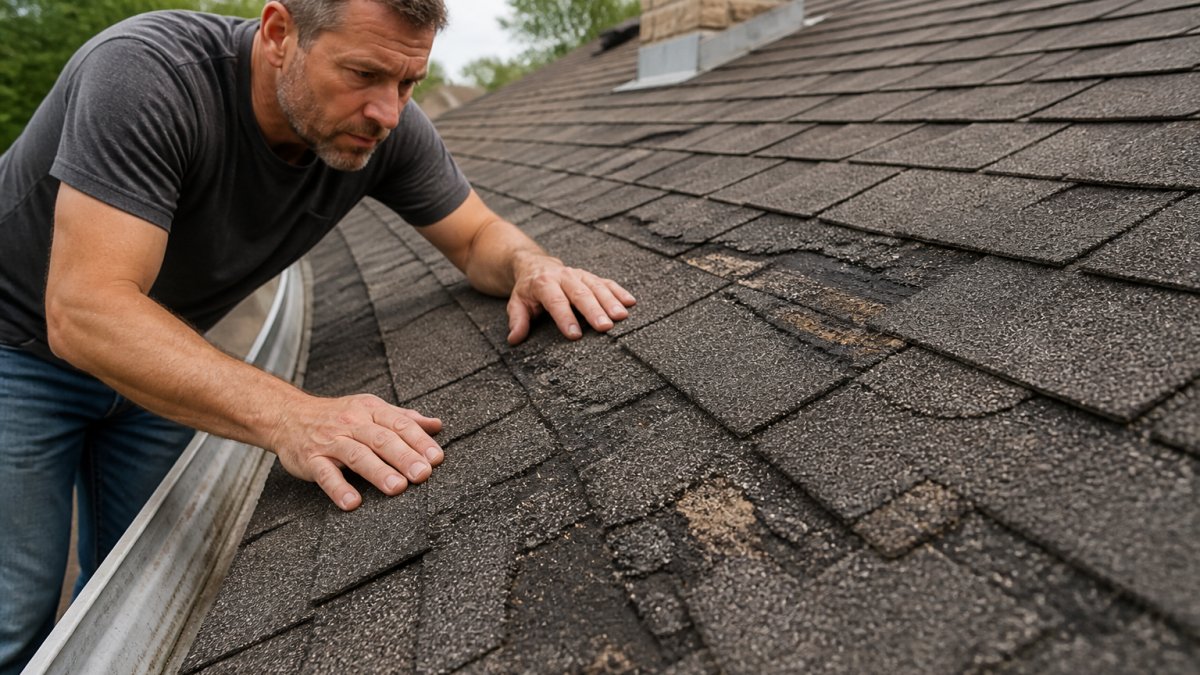
- Look for curling, buckling, or missing shingles
- Check flashing around chimneys, vents, and skylights for gaps or rust
- Clear leaves, branches, and debris from the roof and gutters
- Trim overhanging branches that could rub or drop debris on the surface
- Check gutters and downspouts for sagging or clogs
- Look for dark streaks, moss, or algae growth
- Check the attic for water stains, daylight, or damp insulation
Keep a simple log with dates and photos. A record of what you found and when makes it easier to spot changes over time and to document damage if you ever file an insurance claim.
How to Inspect a Roof for Damage Safely
Start with a ground-level inspection using binoculars. Look for missing granules, cracked or lifted shingles, and dark spots that could signal leaks. Only climb onto the roof if you have a stable ladder, solid footing, and a dry surface. Roofs are slippery and falls are the most serious risk, so when in doubt, hire a professional.
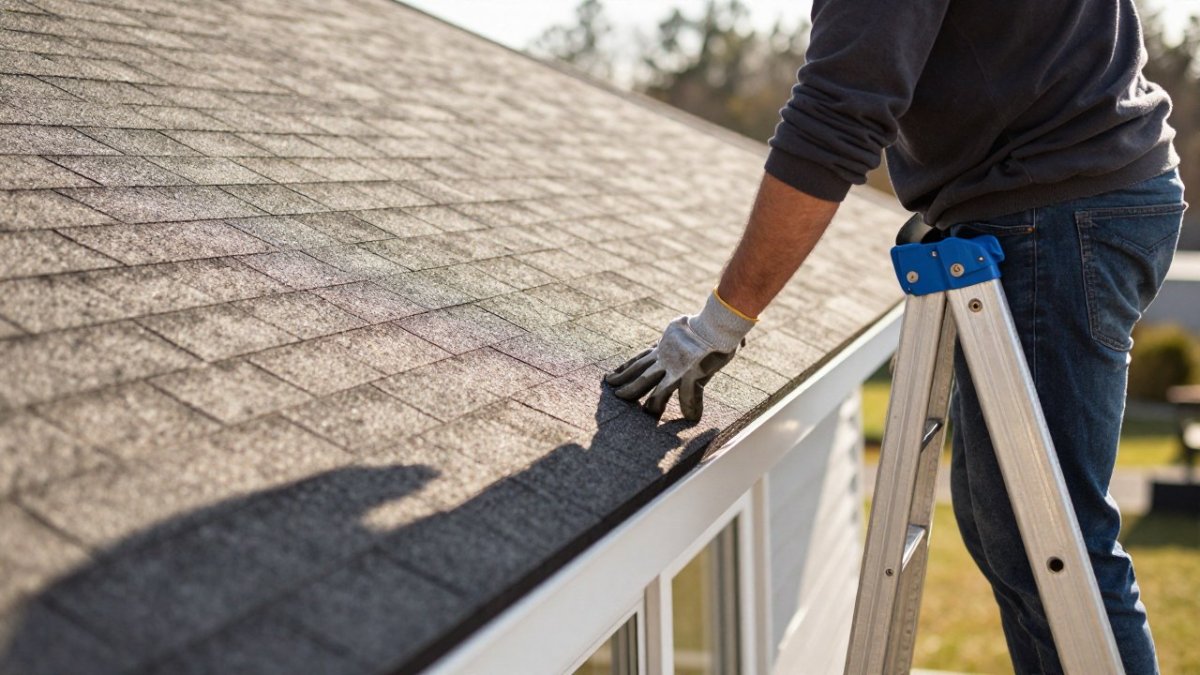
If you do go up, wear rubber-soled shoes, have someone nearby, and avoid walking on the roof when it is wet, icy, or hot enough to soften the shingles. Look at the valleys, flashing, and vent boots closely, since these areas fail first.
A common mistake is treating a small stain as harmless. Check the attic for signs of moisture even when the ceiling looks fine.
Low-Cost DIY Tasks and Where to Stop
The cheapest roof maintenance is the work you can safely do yourself, and the most expensive mistake is doing the wrong task yourself. The line between the two is not about confidence; it is about height, pitch, and what happens if you slip.
Safe for most homeowners, from the ground:
- Walking the perimeter with binoculars to check shingles, flashing, and gutters
- Clearing leaves and branches from the ground with a rake or extendable pole
- Cleaning gutters from a stable ladder placed on level ground, ideally with a helper
- Trimming branches you can reach with a pole saw while standing on the ground
- Checking the attic for stains, daylight, and damp insulation
- Hosing down downspouts from the ground to confirm they drain
- Photographing and logging what you find
Stop and call a licensed roofer when any of these are true:
- The roof pitch is steep enough that you cannot comfortably stand on it
- The roof is more than one story up, or the ladder setup is not on firm, level ground
- The surface is wet, icy, or hot enough to soften shingles
- The task involves walking on the roof, replacing shingles, repairing flashing, or sealing valleys
- There is any structural sag, soft spot, or question about the decking
- You would be working alone or without a spotter
A few tasks look DIY-friendly and are not. Replacing a vent boot, resealing a valley, and patching flashing all require getting the water-shedding layers right; a bad repair traps moisture and causes rot that costs far more than the original job. Climbing onto a roof to clear a single branch is another common trap, because the fall risk outweighs the savings almost every time.
Watch out: falls are the leading serious injury in home maintenance, and a roof is unforgiving. If you are unsure whether a task is safe, treat that as your answer and hire a professional.
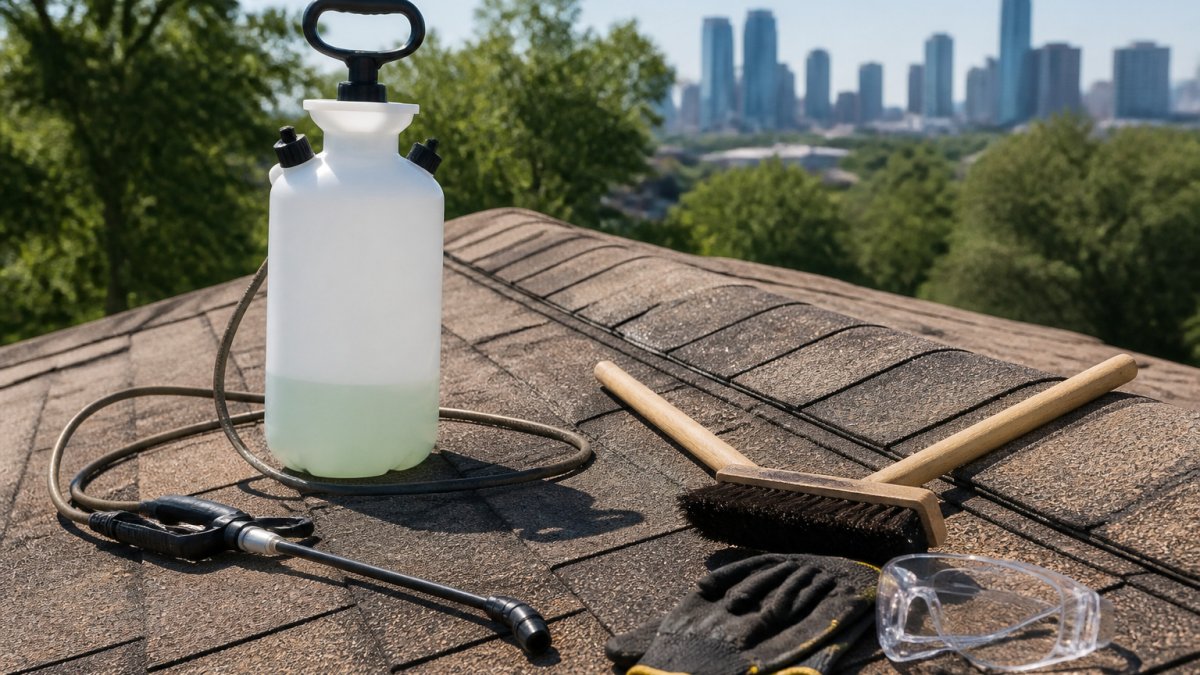
For the tasks you do keep, spend a little on the right gear: a stable ladder rated for your weight, rubber-soled shoes, safety glasses, and work gloves. Those costs are small compared with a single emergency room visit, and they make the ground-level work faster and safer.
Building a Roof Maintenance Schedule by Roof Age
Your schedule should reflect your roof's age. A roof in its first decade needs a yearly check, while a roof nearing 15 to 20 years old benefits from twice-yearly inspections and closer attention to granule loss and curling. Once a roof shows widespread wear, plan for more frequent checks and budget for repairs.
Set reminders for each spring and fall. Pair the check with routine gutter cleaning so the two tasks happen together.
What Repairs Cost and How to Prioritize Them
Affordability starts with knowing what things actually cost, so you can plan instead of react. Pricing depends on the scope of the work, roof size and condition, and access. For current prices or a quote, check the ATX Renewed Roofs pricing page or request an estimate.
| Task | Typical 2026 range | What moves the price |
|---|---|---|
| Professional roof inspection (standalone) | $150-$400 | Roof size, pitch, number of penetrations, whether a drone or attic inspection is included |
| Gutter cleaning | $120-$350 | Linear feet, stories, clog severity, gutter guards |
| Minor shingle repair (a few shingles) | $250-$600 | Access, matching shingle availability, whether underlayment is exposed |
| Flashing repair around a chimney or vent | $300-$800 | Whether the flashing is resealed or rebuilt, chimney size, material |
| Vent boot replacement | $150-$400 | Number of boots, pipe diameter, roof pitch |
| Sealant touch-up at valleys and penetrations | $200-$500 | Linear feet, surface prep, product used |
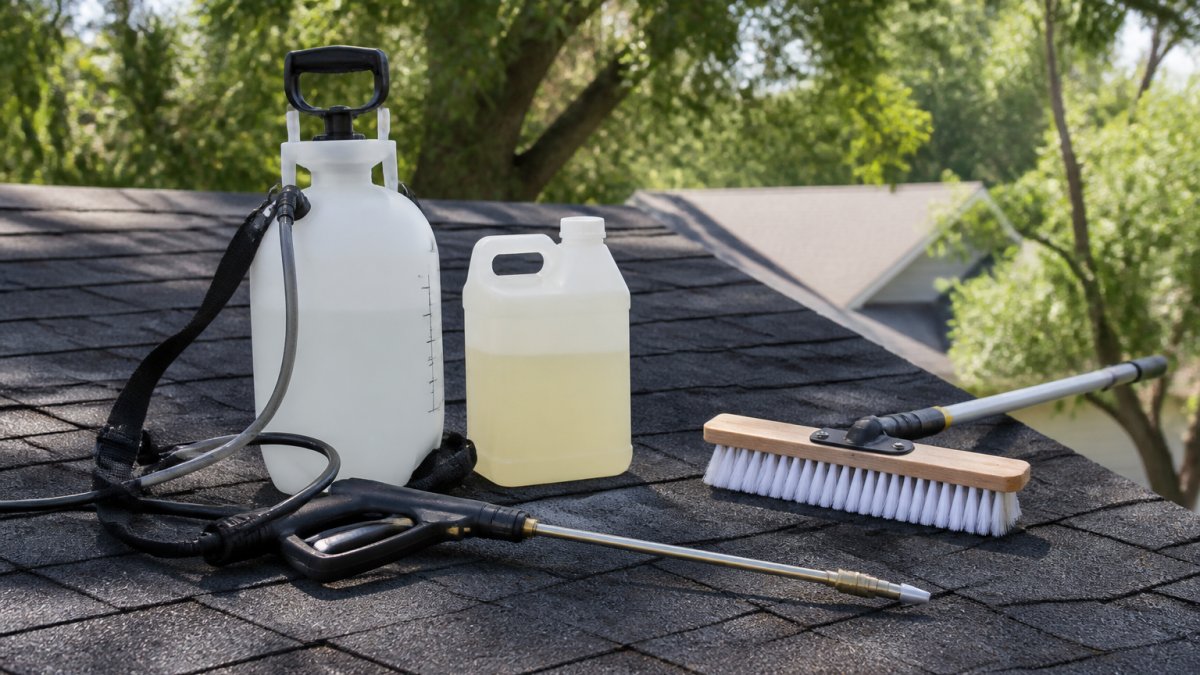
| Moss or algae treatment | $200-$600 | Roof size, severity, whether soft-washing is required |
| Emergency leak tarp or temporary seal | $300-$800 | Time of day, weather, urgency, height |
A few patterns drive most of the variance. Steep pitches and two-story homes add labor and fall-protection time. Tile, metal, and cedar cost more per repair than asphalt because materials and specialty labor are higher. Access matters too: a roof with clear perimeter space is cheaper to work on than one hemmed in by landscaping, solar panels, or a low-slope section that needs different methods. Many contractors apply a minimum service charge, so bundling small tasks into one visit is often more economical than separate calls.
Budget planning beats reacting. A practical rule many homeowners follow is to set aside a portion of the home's value each year for roof upkeep, and to hold a separate reserve for storm damage. If your roof is past the 15-year mark, shift more of that reserve toward the roof.
Prioritize by urgency, not by how annoying the problem looks:
- Active leaks and water intrusion. These come first every time. Water spreads into decking, insulation, and ceilings, and a $400 repair today can become a $4,000 repair after a season of soaking.
- Damaged or lifted flashing. Flashing failures cause a large share of leaks, and resealing or rebuilding it is far cheaper than replacing rotted decking.
- Missing or torn shingles. Exposed underlayment degrades fast under sun and rain. Replace these before the next storm.
- Clogged gutters and downspouts. Backed-up water rots fascia and pushes under the roof edge. This is one of the cheapest preventive tasks you can do.
- Moss, algae, and debris. These are slower problems, but they shorten shingle life if ignored for years.
- Cosmetic granule loss and staining. Usually safe to defer until the budget allows, as long as the roof is not yet leaking.
Watch out: a contractor who quotes a full replacement before inspecting the attic and flashing is skipping the diagnosis. Get a written scope that names the specific repair, the materials, and the warranty on the work, and compare at least two estimates for anything above a few hundred dollars.
If money is tight, ask your roofer to separate must-do items from can-wait items in the estimate. A good contractor will rank the work by risk and let you phase it across a few months rather than pushing everything at once.
Booking Your Free Roof Estimate with ATX Renewed Roofs
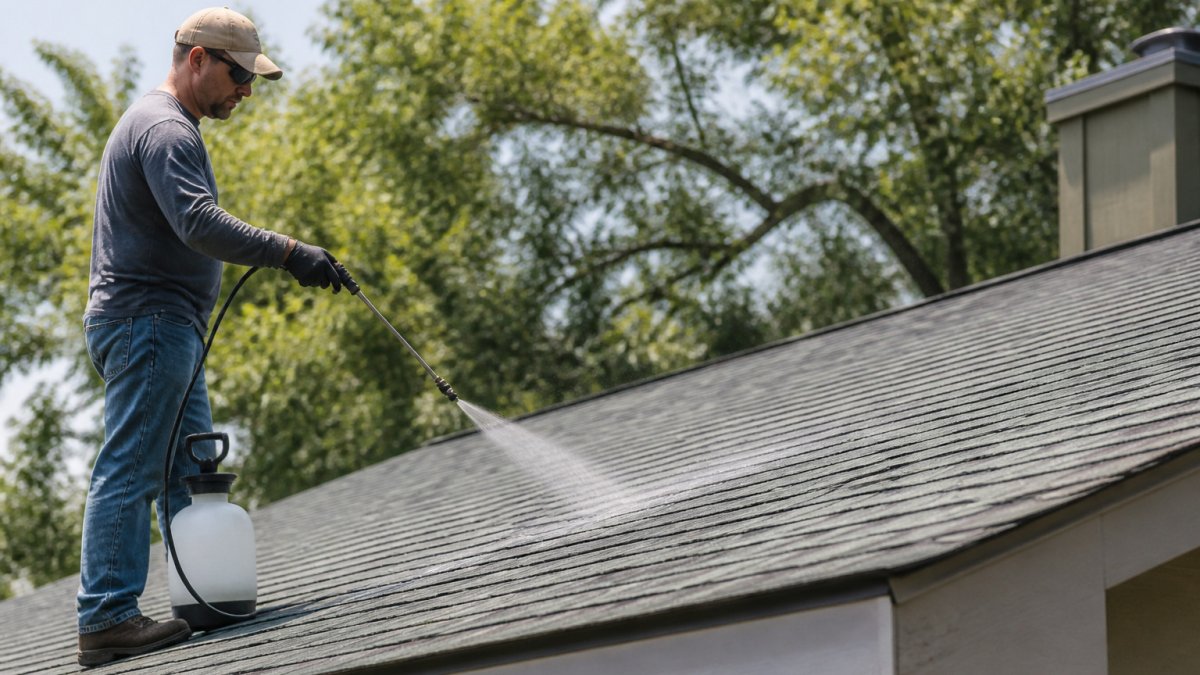
If you want a professional opinion on your roof's condition, ATX Renewed Roofs offers a free estimate with no pressure. To confirm we serve your area, check our McKinney, TX service page. Our plant-based rejuvenation spray is designed to restore flexibility and weather resistance to aging asphalt shingles. We will tell you honestly whether treatment makes sense or whether replacement is the better choice.
Review our roof services to see what we offer. When you're ready, contact our team to request your estimate, or read our step-by-step booking guide first. If you're unsure whether your roof needs attention, learn how a formal roof inspection works before you call.
Frequently Asked Questions
What roof maintenance can homeowners do themselves?
Most homeowners can safely clear gutters, remove leaves and debris from the roof surface, trim branches that overhang the roof, and look over shingles and flashing from the ground with binoculars or from a ladder placed on stable, level ground. Anything that requires walking the roof, working near the edge, or reaching the ridge should be left to a licensed roofing contractor. Keeping these basic tasks on a regular schedule catches small problems early, when repairs are inexpensive.
How often should you inspect an asphalt shingle roof?
Inspect an asphalt shingle roof at least twice a year, typically in spring and fall, and after any significant storm with high winds or hail. Late fall and early spring are good windows because they follow the seasons that stress roofs most. Your roof maintenance schedule should also account for roof age, since roofs past 15 to 20 years usually need closer attention to curling, granule loss, and flashing.
How can you tell if roof shingles need repair or replacement?
Repair is usually enough when damage is limited to a few curling, cracked, or missing shingles, or to a single flashing point. Replacement becomes the better choice when shingles are brittle across large areas, granules have washed off widely, or leaks appear in several places. Replacing a small section costs far less than a full roof, so a repair estimate is worth requesting before you decide.
Can cleaning gutters help prevent roof damage?
Yes. Clogged gutters hold standing water and leaf debris against the fascia and roof edge, which can lead to rot, ice dam problems in cold weather, and water backing up under shingles. Clearing gutters and downspouts at least twice a year keeps water moving away from the roof and foundation, and it is one of the most affordable maintenance tasks a homeowner can do.
Get started with ATX Renewed Roofs and protect your roof for years to come. GET A FREE ESTIMATE TODAY