 How-to
Signs of Roof Shingle Oil Loss: A Homeowner's Guide
Table of Contents
- What Is Roof Shingle Oil Loss and Why It Matters
- Understanding Brittle Roof Shingles and Oil Degradation
- Visible Signs of Oil Loss in Your Shingles
- Roof Shingle Granule Loss: Distinguishing Normal Shedding from Damage
- How to Safely Inspect Your Roof for Oil Loss
- Asphalt Shingle Lifespan and Oil Loss Impact
- Roof Shingle Rejuvenation as a Solution
- What to Do After Identifying Oil Loss
- Frequently Asked Questions
Last Updated: October 16, 2026
What Is Roof Shingle Oil Loss and Why It Matters
Roof shingle oil loss is the gradual depletion of oils in asphalt shingles that keep them flexible, waterproof, and durable.
Oil loss shortens your roof's lifespan. A healthy asphalt shingle roof lasts 20-25 years, but accelerated degradation from heat, UV exposure, weather stress, or age can cause failure in 15 years or less.
Most homeowners don't see oil loss coming. You notice curled edges or bare spots, assume your roof is "old," and budget for a $10,000-$15,000 replacement.
Understanding Brittle Roof Shingles and Oil Degradation
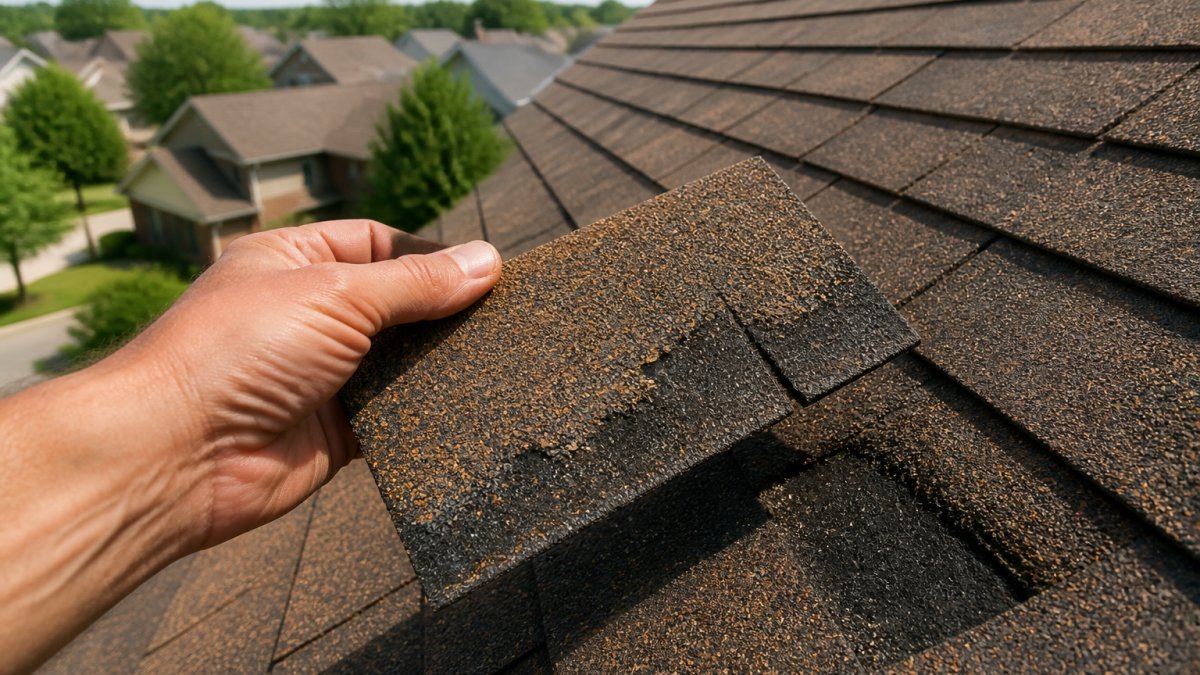
Brittle roof shingles are the direct result of oil loss. When new, binder oils keep shingles supple, able to expand and contract with temperature swings, and hold granules in place without cracking.
As those oils evaporate, especially in hot climates, the asphalt hardens and loses its ability to move with the roof's natural expansion and contraction, causing cracks, curling, and eventual failure.
Several factors accelerate oil degradation:
- Heat and UV exposure: Direct sunlight breaks down the chemical bonds in shingle oils. Austin's intense summer heat speeds this process dramatically.
- Age: After 15-20 years, even well-maintained shingles begin losing oils naturally.
- Weather cycles: Freeze-thaw cycles, heavy rain, and hail all stress the binder and accelerate breakdown.
- Poor ventilation: Trapped heat in the attic bakes shingles from underneath, cooking off oils faster.
- Foot traffic: Walking on shingles during cleaning or repairs damages the surface and exposes the binder to air.
The key insight most homeowners miss: oil loss and granule loss are related but different. Granules protect shingles from UV damage; oil keeps them flexible and waterproof.
Visible Signs of Oil Loss in Your Shingles
Oil loss shows up in specific, recognizable ways. Learn to spot these signs, and you'll catch the problem early.
Bald Spots and Exposed Asphalt
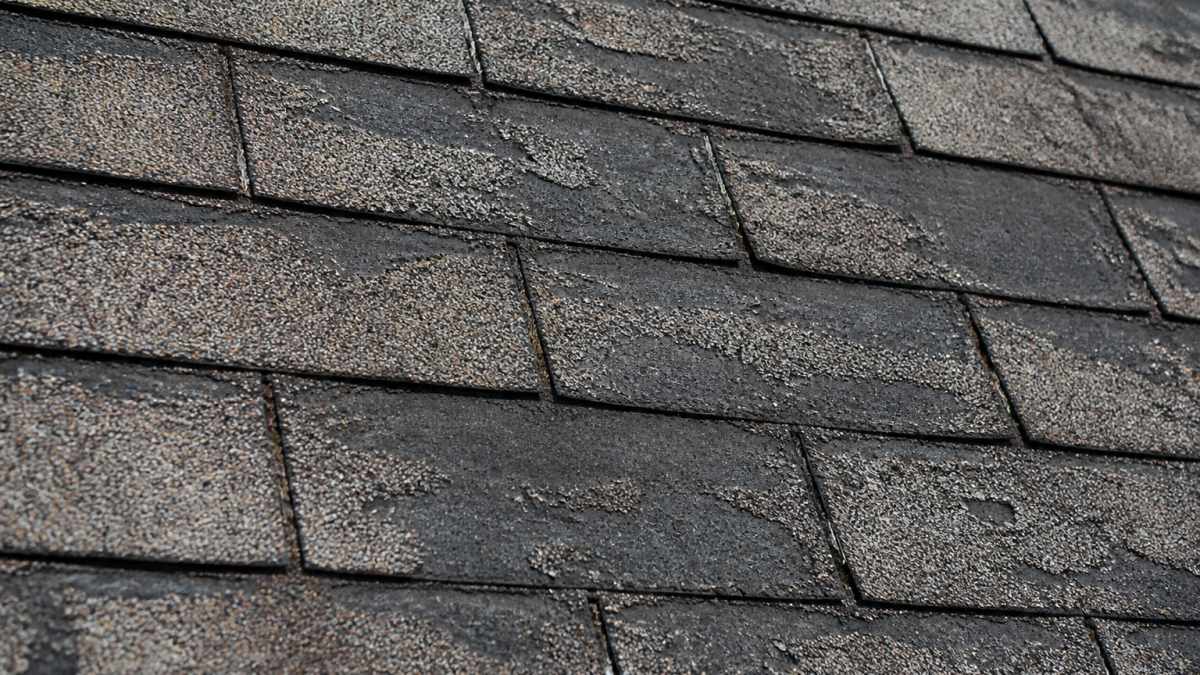
The most obvious sign of oil loss is bald spots, areas where granules have worn away leaving dark, shiny asphalt exposed, usually much darker than surrounding granule-covered areas.
Bald spots matter because exposed asphalt absorbs heat and UV radiation directly. Without granules and oils to protect it, that asphalt deteriorates rapidly. One bald spot can become five within a year.
Look for:
- Small dark patches (1-3 inches across)
- Areas with a wet or shiny appearance
- Spots that seem to grow or multiply over time
- Bald patches clustered in areas that get the most sun
Curling, Cupping, and Cracking Edges
When shingles lose their oils and become brittle, edges curl or cup upward.
Curling happens because the shingle loses flexibility and can't expand and contract smoothly, so edges buckle under stress.
Cupping is similar but different, the shingle develops a bowl-like shape, with the center higher than the edges. Both indicate advanced oil loss.
Cracking follows curling: as the shingle becomes more brittle, expansion and contraction cause small cracks, especially along edges and around nail holes.
Signs to watch for:
- Shingle edges that lift or curl upward
- A bowl-shaped or wavy appearance across the shingle
- Visible cracks, especially at the corners
- Cracks that follow the grain of the asphalt
Discoloration and Loss of Original Color
New asphalt shingles have a consistent color, usually dark gray, charcoal, or black. Oil loss causes uneven fading or streaks.
This happens because the oils that give shingles their color break down, and the underlying asphalt oxidizes, producing a mottled, aged appearance.
Discoloration is often the first visible sign of oil loss, even before granule loss becomes obvious. If your roof suddenly looks much older or faded than surrounding areas, oil loss is likely underway.
Common discoloration patterns:
- Uneven fading across the roof surface
- Streaks or bands of lighter color
- Shiny patches where oils have concentrated
- A washed-out, grayish appearance instead of deep black or charcoal
Roof Shingle Granule Loss: Distinguishing Normal Shedding from Damage
Granule loss and oil loss are different but related. Understanding the difference helps you decide whether you're seeing normal aging or serious deterioration.
All asphalt shingles shed granules. New shingles lose some during the first year or two as they settle and weather, and finding granules in gutters and downspouts is normal.
But excessive granule loss signals trouble. Here's how to tell the difference:
Normal shedding:
- Occurs mainly in the first 1-2 years after installation
- Small amount of granules in gutters (a handful after a storm)
- No visible bald spots on the shingle surface
- Shingles still feel slightly flexible
Excessive granule loss (sign of oil loss):
- Happens after year 5 or later
- Large amounts of granules in gutters and downspouts
- Visible bald spots where the shingle is dark and exposed
- Shingles feel hard and brittle
- Granule loss clusters in sun-exposed areas
The key: granules protect the asphalt underneath. When granules fall away because the oils holding them have degraded, the exposed asphalt breaks down fast.
Homeowners often ask: "Is this normal, or do I need a new roof?"
How to Safely Inspect Your Roof for Oil Loss
You don't need to climb on your roof to assess oil loss. Most signs are visible from the ground with binoculars, and a ground-level inspection is much safer.
Ground-Level Inspection Checklist
Start from your driveway or yard with binoculars, looking from multiple angles. The sunniest side often shows oil loss first.
Check for these signs:
- Bald spots or dark patches where granules are missing
- Curled or cupped shingle edges
- Visible cracks, especially along the edges
- Discoloration or uneven fading
- Areas that look shiny or wet (exposed asphalt)
- Granules accumulating in gutters or downspouts
- Moss or algae growth (indicates moisture retention)
- Missing shingles or large gaps
Pay special attention to south and west-facing sides, which get the most sun and heat, so oil loss shows up there first.
If you see any of these signs, take photos. They'll help a professional assess the situation and give an honest answer about whether repair or replacement makes sense.
When to Call a Professional
You should call a professional if:
- You see widespread bald spots or curling
- You're unsure whether signs indicate normal aging or serious deterioration
- Your roof is over 15 years old and showing multiple signs of oil loss
- You want an honest assessment before making a repair or replacement decision
A professional inspection involves walking your roof safely, checking for structural damage, assessing oil loss, and giving realistic options.
ATX Renewed Roofs provides free assessments with no pressure to buy, offering an honest assessment of whether your roof can be restored, extended, or needs replacement.
Asphalt Shingle Lifespan and Oil Loss Impact
A new asphalt shingle roof lasts 20-25 years under normal conditions. But oil loss shortens that timeline significantly.
Here's how the timeline typically works:
- Years 0-5: Shingles are new. Oils are intact. Granules may shed slightly (normal). No visible oil loss yet.
- Years 5-15: Oils begin breaking down, especially in hot climates. Discoloration appears. Granule loss increases. Shingles may start curling slightly.
- Years 15-20: Oil loss accelerates. Bald spots appear. Curling becomes pronounced. Shingles become brittle. Risk of leaks increases.
- Years 20+: Roof is near end of life. Multiple signs of failure. Replacement or major repair needed soon.
Oil loss can compress this timeline: a roof that should last 20 years might fail in 15 if degradation is severe, while a well-maintained roof can last beyond 25.
The difference is maintenance and early intervention. Catch oil loss at year 10 and you can extend your roof's life by 5-10 years; ignore it until year 18 and you're looking at replacement.
Roof Shingle Rejuvenation as a Solution
If you've spotted signs of oil loss but your roof is structurally sound, shingle rejuvenation is a proven alternative to replacement.
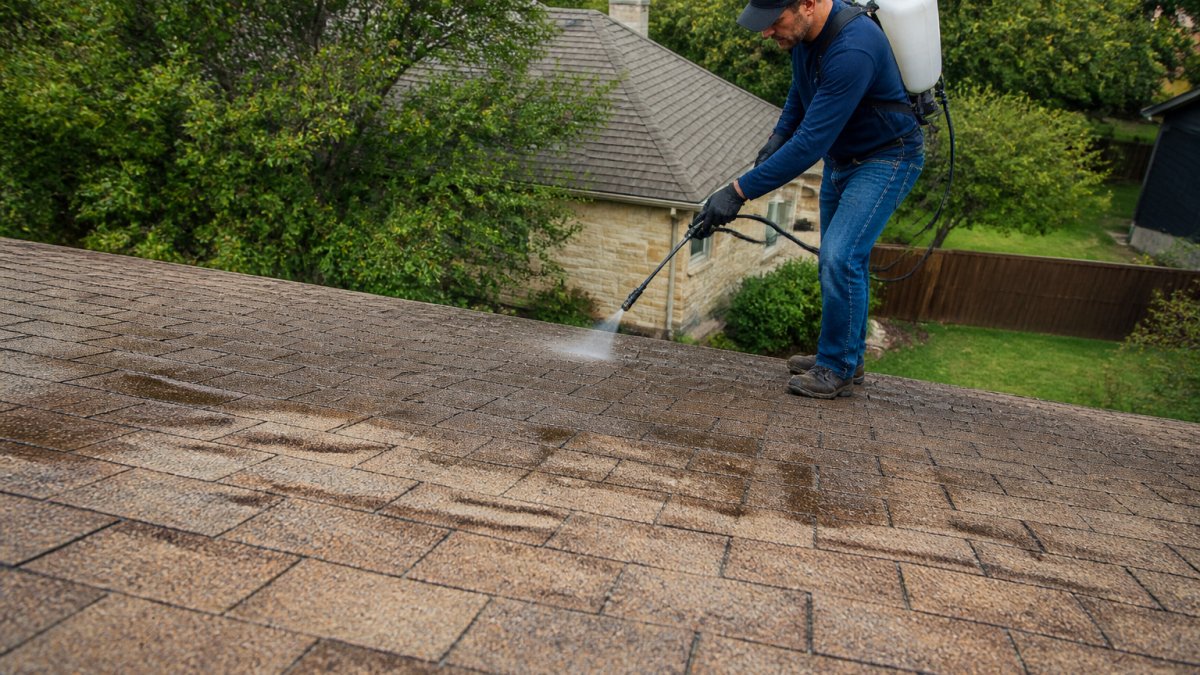
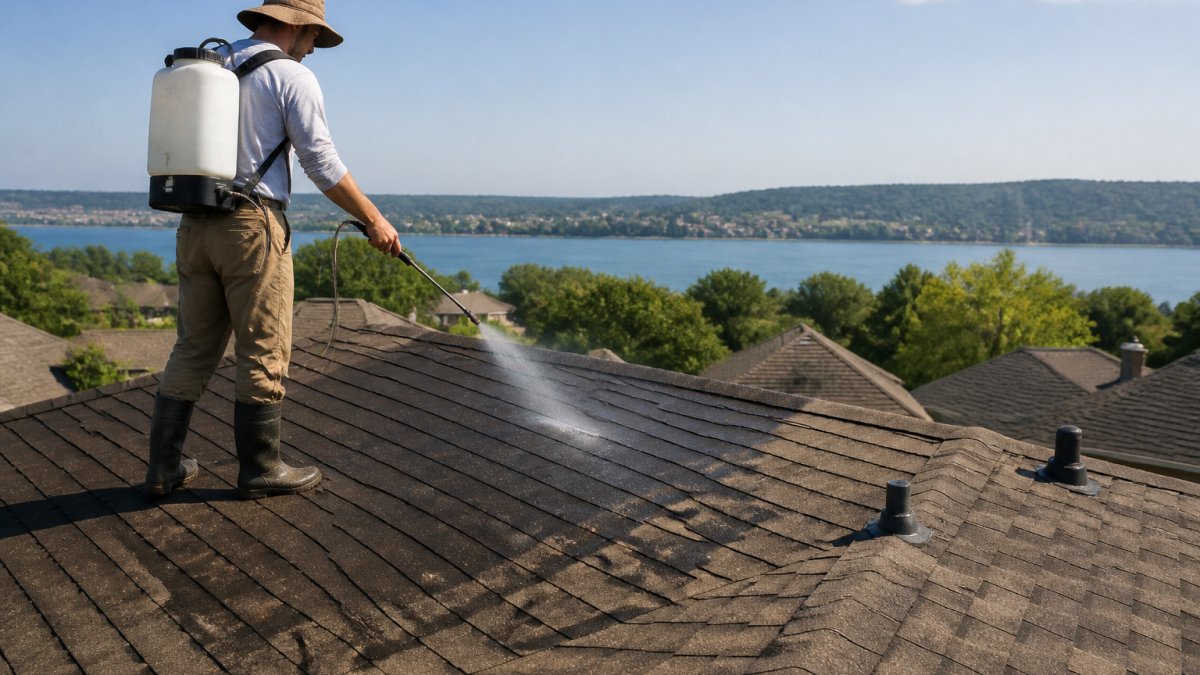
Roof shingle rejuvenation restores essential oils to aging asphalt shingles via an eco-friendly, plant-based spray that penetrates the surface and replenishes lost oils.
This approach works best when:
- Your roof is 10-20 years old
- You see early to moderate signs of oil loss (discoloration, some curling, granule loss)
- The shingle structure is still intact (no major holes or missing shingles)
- You want to extend your roof's life by several years without full replacement
Rejuvenation typically extends roof lifespan by 5-10 years.
ATX Renewed Roofs uses a plant-based rejuvenation spray formulated for asphalt shingles.
The process is straightforward: a roof inspection is conducted to confirm it's a good candidate, the treatment is applied, and results are monitored.
What to Do After Identifying Oil Loss
Once you've spotted signs of oil loss, here's your action plan.
Step 2: Get a professional assessment. Contact a roof specialist who can inspect safely and give honest options.
Step 3: Understand your options. You typically have three paths:
- Rejuvenation: If oil loss is moderate and your shingles are structurally sound, rejuvenation can extend your roof's life by 5-10 years at a fraction of replacement cost.
- Repair: If only a few shingles are damaged, targeted repairs can buy time while you plan for longer-term solutions.
- Replacement: If your roof is severely deteriorated (widespread bald spots, major curling, leaks), replacement may be the only option.
ATX Renewed Roofs starts every conversation with a free inspection and honest assessment.
The bottom line: oil loss is real, often fixable, and catching it early saves money and stress.
If you've noticed signs of roof shingle oil loss or want an honest assessment of your roof's condition, ATX RENEWED ROOFS is here to help.
Frequently Asked Questions
What are the main signs of roof shingle oil loss?
The primary signs of roof shingle oil loss include bald spots with exposed asphalt, brittleness that causes shingles to crack or curl, loss of original color and discoloration, and granules collecting in gutters or at downspouts. You may also notice smooth, shiny patches where the protective granule layer has worn away. These symptoms typically appear as your roof ages and the binding oils that hold granules and provide flexibility deteriorate from UV exposure and weather stress.
How can I tell if my roof shingles are drying out from oil loss?
Drying shingles lose their flexibility and become brittle, causing edges to curl upward or the surface to cup inward. You'll notice the shingles feel hard and inflexible rather than pliable. Curling typically starts at the edges and progresses inward as oils continue to degrade. If you can safely observe your roof from the ground or gutters, look for shingles that no longer lie flat and show visible cracks or splits. This brittleness accelerates water damage because the shingles can no longer expand and contract with temperature changes.
Is all granule loss on shingles a sign of oil loss, or is some normal?
New asphalt shingles naturally shed excess granules during their first year, and this is normal. However, excessive granule loss after the first few years indicates oil degradation. Normal shedding produces a small amount of granules in gutters; excessive loss appears as large bare patches on the shingle surface, visible smooth areas, and significant granule accumulation. If your roof is over 10 years old and showing substantial bald spots, this points to advanced oil loss rather than normal weathering.
Can roof shingle rejuvenation restore flexibility to aging shingles that have lost oils?
Roof shingle rejuvenation treatments use plant-based formulas to restore essential oils to aging asphalt shingles, improving their flexibility, restoring color, and extending their functional lifespan. These treatments work best on roofs showing early to moderate signs of oil loss, such as discoloration, minor brittleness, and granule loss. The rejuvenation process helps shingles regain pliability and weather resistance, potentially extending your roof's life by several years. However, severely damaged roofs with extensive curling, missing shingles, or structural issues may be beyond rejuvenation and require professional assessment to determine the best path forward.